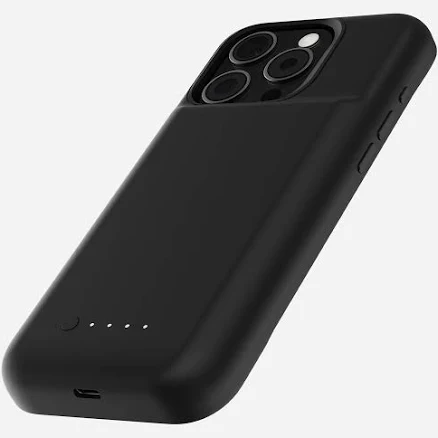
Mophie · Waterproof Smartphone Cases
Mophie Juice Pack Battery Case for iPhone 15 Pro
Lower concern; battery cases lack typical PFAS-prone coatings.
Lithium-ion battery, plastic housing, and rubber grips without waterproofing or stain-resistant treatments. No public PFAS disclosure from Mophie.
We flunk more products than we pass. This one earned its grade. How we grade
Material
Lithium-ion battery, plastic housing, rubber grips
Brand disclosure
Brand is silent on PFAS
Lab data
No public lab test
You may also be interested in
Top-graded picks in the categories readers replace first, every one scored on the same rubric.

- polypropylene filter housing, carbon/sediment cartridge
- We found no PFAS statement from the brand
- Bacterial growth in spent cartridges
3 hazards checked on this product, all on its full breakdown.

Aquasure
Premier Series 75 GPD Under Sink Reverse Osmosis Water Filtration System
- RO membrane, carbon filters, stainless steel housing
- We found no PFAS statement from the brand
- Bacterial and microbial growth in housing and filters
4 hazards checked on this product, all on its full breakdown.

Avocado
Vegan Mattress
- organic cotton, natural latex, coconut coir, recycled steel coils
- The brand calls it PFAS-free, which we have not verified
- Heavy metals
2 hazards checked on this product, all on its full breakdown.
What Mophie Juice Pack Battery Case Pro is made of, ingredients and materials
The Mophie Juice Pack houses a lithium-ion battery cell with a plastic (likely polycarbonate or ABS) exterior housing and rubber grip surfaces. This material combination is standard in portable power products and avoids the problematic coatings (Teflon-type coating, epoxy resins, water-repellent treatments) that trap PFAS in cookware or textiles. The main chemical exposure pathways are minimal since the battery is sealed and plastic contact with skin or food is negligible.
What’s concerning
Category baseline
The starting point for this type of product, before anything specific to this product is counted.
No PFAS disclosure
No public statement from the brand about PFAS in this product.
Lithium-ion battery thermal runaway
All lithium-ion batteries carry low but non-zero risk of thermal runaway if damaged, overcharged, or exposed to extreme heat. This is not unique to Mophie but inherent to the chemistry; proper case design minimizes risk by including charge controllers and thermal cutoffs, which are standard in reputable brands.
Microplastic shedding from wear
Plastic housings and rubber grips can shed microparticles over time with repeated drops, compression, or friction. While the particle load is very small and not ingested (external product), accumulation in pockets or bags is possible and environmentally relevant over the product lifecycle.
What’s reassuring
Base material not linked to PFAS
The main material recorded for this product is not one associated with PFAS.
Plastic off-gassing (volatile organic compounds from housing)
Polycarbonate and ABS plastics may emit trace VOCs during manufacturing or when heated above normal ambient temperatures. No recalls or test data specific to Mophie cases document problematic off-gassing under normal use conditions (room temperature, intermittent heat from charging).
Heavy metals
Battery cases contain internal circuit boards with solder and electronic components. Lead-free solder is standard in consumer electronics sold in EU and many US markets, but no third-party testing of this specific product has been publicly disclosed. Risk is minimal given sealed design and no skin contact pathway.
Source, FDA ↗Rubber grip degradation and leachates
Rubber or elastomer grips may contain plasticizers or sulfur compounds that could leach with prolonged contact or when exposed to oils and sweat. No documented issues or recalls for Mophie cases; however, degraded grip material should be avoided if it becomes sticky or discolored.
How is this PFAS grade calculated?
The brand's record and disclosure
Mophie (owned by Zagg/Zagg Inc., now part of GN Store Nord) does not publicly disclose material safety data, PFAS use, or third-party certifications for battery cases. No major recalls or chemical safety controversies have been documented for this product line. The brand's opacity on chemical disclosure is typical of the mobile accessory industry but prevents verification of manufacturing claims.
How it compares in its category
Battery cases rank low-risk compared to cookware, cosmetics, or flame-retardant textiles because they avoid high-temperature cooking, skin absorption, and regulatory pressure for flame resistance. Competitors like Anker and Belkin operate similarly without enhanced transparency. The main differentiator across brands is build quality and battery cycle life, not chemical composition.
If you buy it
Keep the case away from direct heat (above 40-45°C / 104-113°F continuous exposure) to preserve the lithium-ion cell lifespan and prevent plastic off-gassing. Do not expose to water or humidity without the sealed design intact; corrosion can trigger short circuits. Replace the case if plastic cracks, the battery puffs, or charging becomes inconsistent, typically after 2-3 years of heavy use. Store in a cool, dry place and avoid compression under weight.
What is not known about PFAS in this product?
- Basis
- Model estimate, 72% confidence, not a lab result
- Lab test
- None on record for this exact product
- Brand statement
- Mophie has made none
Formulations change between production runs, so check the current label. How we grade.
More waterproof smartphone cases grades
How we score, every product runs through the same public 0-100 rubric based on materials, coatings, brand disclosure, lab findings, and recalls. See the full methodology → Spotted a mistake? Report an error.