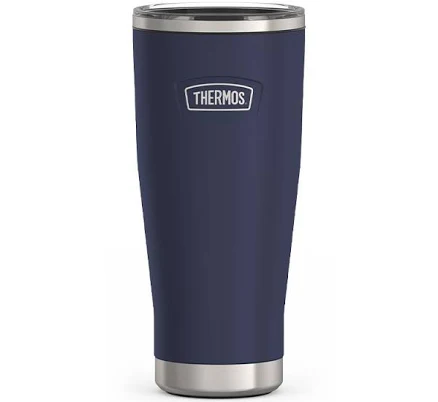
Thermos · Insulated Drink Tumblers
Thermos Stainless Steel Tumbler Slide Lock Lid
Lower concern. Stainless steel body has no coating on record. Lid material chemistry not stated.
The stainless steel body is uncoated and not a material linked to PFAS. The plastic or silicone lid composition is not publicly disclosed, so any coatings or treatments on the lid are not on record.
We flunk more products than we pass. This one earned its grade. How we grade
Material
Stainless steel body, plastic/silicone lid
Brand disclosure
Brand is silent on PFAS
Lab data
No public lab test
What Thermos Stainless Steel Tumbler Slide is made of, ingredients and materials
The Thermos Stainless Steel Tumbler's primary containment surface is food-grade stainless steel, which does not leach metals or degrade into drinking water under normal use. The removable plastic and/or silicone lid is the secondary contact point; silicone resists heat and chemical leaching better than hard plastics, but the exact composition (whether virgin polymer, recycled content, or elastomer blend) is not publicly detailed by Thermos. The "Slide Lock" mechanism is typically polycarbonate or acetal copolymer, materials that are stable at room temperature but should not be exposed to boiling water.
What’s concerning
Category baseline
The starting point for this type of product, before anything specific to this product is counted.
No PFAS disclosure
No public statement from the brand about PFAS in this product.
BPA & bisphenols
Thermos does not publicly confirm the lid polymer type or state whether it contains BPA, BPS, or other bisphenols. Silicone presents lower concern than polycarbonate, but without material disclosure, residual risk cannot be ruled out.
Source, FDA ↗Lid degradation and microplastic shedding from heat exposure
If hot liquids contact the plastic lid frequently, polymer can soften, cloud, or shed microscopic particles. This is a wear mechanism rather than a manufacturing defect, but users unaware of temperature limits may accelerate it.
What’s reassuring
Bare uncoated material
Recorded as a bare, uncoated material with no surface coating or treatment.
Stainless steel corrosion and potential nickel leaching
Food-grade stainless steel (typically 18/8 or 304 grade) used in Thermos tumblers does not corrode or leach nickel under normal potable water or beverage use. Corrosion risk only arises if the tumbler is damaged or exposed to highly acidic or salty solutions for extended periods.
Silicone lid off-gassing or taste transfer
Silicone does not off-gas volatile organic compounds at room or moderate heat. Taste or odor residue is a cosmetic concern, not a toxicological one, and is reversible with cleaning.
Acetal or polycarbonate lock mechanism leaching
The slide lock mechanism does not contact beverages directly and is not submerged; leaching risk is negligible even if polymer is polycarbonate. Breakage of the lock is a functional failure, not a safety hazard.
The full breakdown
The brand's record and disclosure
Thermos does not publish detailed material safety disclosures or third-party certifications (such as BPA-free labeling or FDA compliance statements) on their product pages for this tumbler. The company has no documented history of recalls or safety controversies related to this specific product line. Thermos is owned by Groupe SEB, a large housewares manufacturer, but neither parent nor subsidiary provides transparency on polymer sourcing, BPA alternatives used in lids, or testing protocols for leaching.
How it compares in its category
Stainless steel tumblers show lower concern for leaching because the steel itself does not degrade or leach. However, competing brands (Hydro Flask, S'well, Contigo) often explicitly market lids as BPA-free or publish material data sheets; Thermos does not. Most stainless steel tumblers in this price range use similar silicone or plastic lids, so differentiation is minimal on safety grounds. The Thermos brand trades on durability and temperature retention rather than material transparency.
If you buy it
Do not pour boiling water directly onto the plastic lid; allow hot beverages to cool slightly or fill from the side. Hand-wash the lid and tumbler separately; dishwasher heat can degrade plastic components over time. Replace the lid if it becomes cloudy, cracked, or develops odor, as these signs indicate polymer degradation. If you prefer explicit BPA-free or material certifications, contact Thermos directly or choose a competitor that publishes those details.
What we don’t know
- Basis
- Model estimate, 72% confidence, not a lab result
- Lab test
- None on record for this exact product
- Brand statement
- Thermos has made none
Formulations change between production runs, so check the current label. How we grade.
Better-graded alternatives in Insulated Drink Tumblers
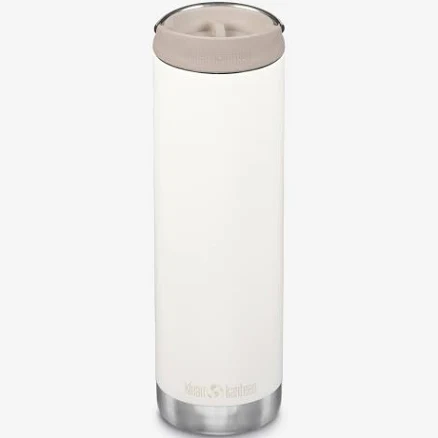
Klean Kanteen
20oz TKWide with Café Cap, Tofu
- Stainless steel bottle, stainless steel cap
- The brand calls it PFAS-free, which we have not verified
- Powder-coat cap degradation over time
3 hazards checked on this product. See all of them.
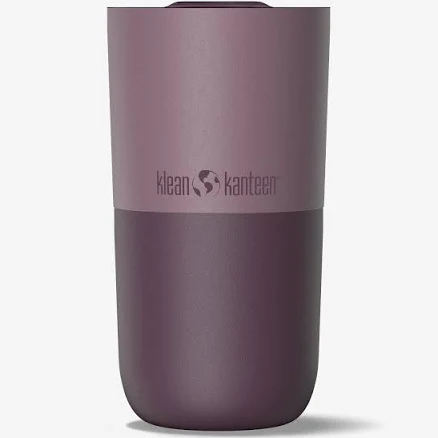
Klean Kanteen
16oz Rise Tumbler
- Stainless steel body, powder-coat finish
- The brand calls it PFAS-free, which we have not verified
- Powder-coat finish degradation
3 hazards checked on this product. See all of them.
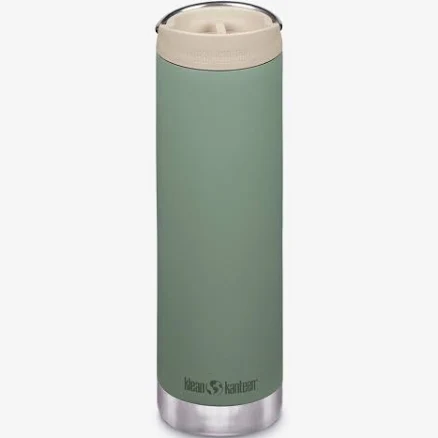
Klean Kanteen
Insulated TKWide Cap
- Stainless steel bottle, plastic cap and silicone gasket
- The brand calls it PFAS-free, which we have not verified
- Silicone gasket degradation and leaching
3 hazards checked on this product. See all of them.
More insulated drink tumblers grades
How we score, every product runs through the same public 0-100 rubric based on materials, coatings, brand disclosure, lab findings, and recalls. See the full methodology → Spotted a mistake? Report an error.