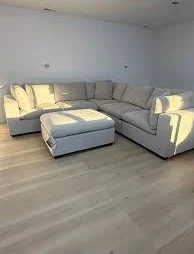
Thomasville Furniture · Upholstered Furniture
Thomasville Lowell 8-piece Modular Sectional
Upholstered sectional with no disclosed PFAS treatment; moderate uncertainty remains.
Standard upholstered modular sectional with no public PFAS claims or certifications. Fabric composition typical for this category; no evidence of stain resistance treatment, but treatment details not disclosed by brand.
We flunk more products than we pass. This one earned its grade. How we grade
Material
upholstered fabric, likely polyester blend
Lab data
No public lab test
You may also be interested in
Top-graded picks in the categories readers replace first, every one scored on the same rubric.

- polypropylene filter housing, carbon/sediment cartridge
- We found no PFAS statement from the brand
- Bacterial growth in spent cartridges
3 hazards checked on this product, all on its full breakdown.

Aquasure
Premier Series 75 GPD Under Sink Reverse Osmosis Water Filtration System
- RO membrane, carbon filters, stainless steel housing
- We found no PFAS statement from the brand
- Bacterial and microbial growth in housing and filters
4 hazards checked on this product, all on its full breakdown.

Avocado
Vegan Mattress
- organic cotton, natural latex, coconut coir, recycled steel coils
- The brand calls it PFAS-free, which we have not verified
- Heavy metals
2 hazards checked on this product, all on its full breakdown.
What Thomasville Lowell 8-piece Sectional is made of, ingredients and materials
The Lowell is upholstered in a polyester-blend fabric over a typical wood-frame or engineered-wood structure with foam cushioning. Polyester blends are common in mass-market upholstered furniture and generally stable once cured, though new pieces may off-gas volatile organic compounds (VOCs) during the first weeks indoors. The cushioning foam (typically polyurethane) is the primary source of potential formaldehyde or other volatile emissions in sectionals of this type.
What’s concerning
Category baseline
The starting point for this type of product, before anything specific to this product is counted.
No PFAS disclosure
No public statement from the brand about PFAS in this product.
Volatile Organic Compound (VOC) off-gassing from foam and fabric finishes
New polyurethane foam and polyester upholstery can emit VOCs (formaldehyde, toluene, benzene) for weeks after purchase. Thomasville does not certify low-VOC status; off-gassing intensity depends on factory conditions and storage. Standard ventilation during first month significantly reduces exposure.
Formaldehyde / VOCs
Polyurethane foam and fabric glues may contain formaldehyde-releasing compounds as binders or preservatives. No public data available for this specific model. Modular sectionals with multiple glued seams carry higher cumulative risk than single-piece sofas.
Source, ATSDR ↗Azo dyes in polyester fabric
Polyester-blend upholstery may contain azo dyes, which can release carcinogenic amines under degradation or if exposed to prolonged moisture and heat. No specific color palette or dye testing data available for the Lowell; risk is minor under normal indoor conditions but increases with poor ventilation or chemical spills.
Mold and moisture retention in seams and foam
Modular sectionals with multiple seams and removable/zippered cushions create crevices where moisture can accumulate if spilled liquids are not immediately blotted and dried. Damp foam is vulnerable to mold colonization, which produces allergens. Regular vacuuming and prompt spill response mitigate this risk substantially.
What’s reassuring
Base material not linked to PFAS
The main material recorded for this product is not one associated with PFAS.
Flame retardants
No recalls or public disclosures of prohibited flame retardants (PBDEs, HBCD) in Thomasville recent furniture. U.S. regulations require some flame resistance; most modern furniture uses less hazardous physical barriers or mineral additives rather than brominated chemicals, but specific method for the Lowell is undisclosed.
Source, EPA ↗How is this PFAS grade calculated?
The brand's record and disclosure
Thomasville Furniture does not publicly disclose detailed chemical composition, flame retardant treatment status, or formaldehyde compliance testing for individual pieces. The brand has no documented recalls or public safety controversies specific to flame retardants or formaldehyde in recent years. Lack of transparency is typical for mid-range furniture manufacturers and does not indicate hazard, but limits independent verification of material claims.
How it compares in its category
The Lowell sits in the mainstream modular sectional market where polyester blends and standard polyurethane foam are industry norm. It lacks third-party certifications (e.g., Greenguard, CertiPUR-US) that would independently verify low-formaldehyde or low-VOC status, placing it below eco-focused competitors but in line with typical big-box furniture. Modular designs often have more seams and component interfaces, which may increase cumulative VOC release early on.
If you buy it
Unpack and air out the sectional in a well-ventilated space for 48-72 hours before extended use to allow initial off-gassing to dissipate. Vacuum the fabric monthly and spot-clean spills promptly to prevent moisture accumulation, which can promote mold in foam. Do not expose cushions to direct heat sources or prolonged sunlight, as polyester blends can degrade and potentially release additional VOCs when thermally stressed. Inspect seams and zipper areas annually for wear, as torn fabric or exposed foam increases surface area for dust and potential microorganism growth.
What is not known about PFAS in this product?
- Basis
- Model estimate, 45% confidence, not a lab result
- Lab test
- None on record for this exact product
- Brand statement
- Thomasville Furniture has made a specific claim
Formulations change between production runs, so check the current label. How we grade.
More upholstered furniture grades
How we score, every product runs through the same public 0-100 rubric based on materials, coatings, brand disclosure, lab findings, and recalls. See the full methodology → Spotted a mistake? Report an error.