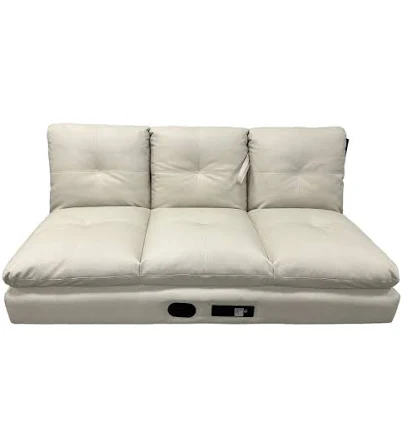
Thomasville Furniture · Upholstered Furniture
Thomasville Slide Jack Sleeper Sofa
Standard upholstered furniture; PFAS risk unknown without testing or disclosure.
Thomasville makes no public PFAS claims for this sofa. Upholstered furniture may contain PFAS in stain treatments or foams, but brand transparency is absent. Request material specifications if concerned.
We flunk more products than we pass. This one earned its grade. How we grade
Material
upholstered sofa, typically fabric or microfiber
Lab data
No public lab test
You may also be interested in
Top-graded picks in the categories readers replace first, every one scored on the same rubric.

- polypropylene filter housing, carbon/sediment cartridge
- We found no PFAS statement from the brand
- Bacterial growth in spent cartridges
3 hazards checked on this product, all on its full breakdown.

Aquasure
Premier Series 75 GPD Under Sink Reverse Osmosis Water Filtration System
- RO membrane, carbon filters, stainless steel housing
- We found no PFAS statement from the brand
- Bacterial and microbial growth in housing and filters
4 hazards checked on this product, all on its full breakdown.

Avocado
Vegan Mattress
- organic cotton, natural latex, coconut coir, recycled steel coils
- The brand calls it PFAS-free, which we have not verified
- Heavy metals
2 hazards checked on this product, all on its full breakdown.
What Thomasville Slide Jack Sleeper Sofa is made of, ingredients and materials
The Thomasville Slide Jack is an upholstered sofa, typically using polyester microfiber, cotton blends, or performance fabrics over a wood or engineered wood frame with steel mechanisms for the sleeper function. Upholstered furniture relies on flame retardant treatments applied to fabric and filling materials to meet US flammability standards (16 CFR 1633). The actual chemical identity of these retardants, as well as any formaldehyde-based resins in adhesives or bindings, is rarely disclosed by manufacturers.
What’s concerning
Category baseline
The starting point for this type of product, before anything specific to this product is counted.
No PFAS disclosure
No public statement from the brand about PFAS in this product.
Flame retardants
US furniture flammability standards mandate flame retardants in upholstery batting and fabrics. Thomasville does not disclose whether these are brominated compounds, chlorinated hydrocarbons, or organophosphates. Long-term health effects depend on chemical class and migration into indoor air.
Source, EPA ↗Formaldehyde / VOCs
Wood frames and fabric lamination typically use urea-formaldehyde or phenol-formaldehyde binders. Thomasville does not certify low-formaldehyde construction. Off-gassing is highest in the first weeks post-purchase and decreases over time with ventilation.
Source, ATSDR ↗Volatile organic compounds (VOC) from padding, fabric dyes, and finishes
Polyester microfiber, polyurethane foam, and synthetic adhesives release VOCs such as toluene and xylene during the first 1-3 months. This is normal for mass-produced upholstered furniture but can trigger respiratory irritation in sensitive individuals.
What’s reassuring
Base material not linked to PFAS
The main material recorded for this product is not one associated with PFAS.
Heavy metals
No recalls or public health warnings specific to Thomasville textiles have been documented. Azo dyes in polyester fabrics can theoretically contain trace metals, but US textile regulations and typical quality control make acute exposure unlikely in normal use.
Source, FDA ↗Mechanical failure or collapse of sleeper frame
Thomasville sleepers use standard steel and wood joinery. No systemic failures or safety recalls for this model line are on record, but sleeper mechanisms degrade with repeated use; inspect hinges and slides annually for wear.
How is this PFAS grade calculated?
The brand's record and disclosure
Thomasville Furniture does not publicly disclose flame retardant chemistry, fabric certifications (such as OEKO-TEX or GREENGUARD), or independent testing results on their website or product documentation. The brand has no known formal recalls related to chemical hazards in upholstery. As a mass-market furniture producer, Thomasville follows baseline legal compliance but does not champion chemical transparency in the way some premium or specialty brands do.
How it compares in its category
Thomasville sleeper sofas occupy the mid-market segment; they are less likely to carry certifications than higher-end brands (e.g., Room & Board, Pottery Barn's certified lines) but are mainstream enough to comply with flammability rules. Comparable upholstered sleepers from Ashley Furniture, Wayfair house brands, and other mass retailers face identical disclosure gaps. The sleeper mechanism adds complexity (hinges, springs, metal slides) but does not significantly increase chemical exposure risk relative to standard sofas.
If you buy it
Air out the sofa for at least 48-72 hours after delivery to reduce off-gassing of adhesives and flame retardant residues. Avoid placing it in direct sunlight or heat sources for extended periods, as elevated temperatures can accelerate volatile organic compound (VOC) release. Vacuum weekly and spot-clean with water or mild soap to reduce dust accumulation. If chemical sensitivity is a concern, request fabric and flame retardant documentation from the retailer before purchase, or choose a brand with third-party certifications.
What is not known about PFAS in this product?
- Basis
- Model estimate, 45% confidence, not a lab result
- Lab test
- None on record for this exact product
- Brand statement
- Thomasville Furniture has made a specific claim
Formulations change between production runs, so check the current label. How we grade.
More upholstered furniture grades
How we score, every product runs through the same public 0-100 rubric based on materials, coatings, brand disclosure, lab findings, and recalls. See the full methodology → Spotted a mistake? Report an error.