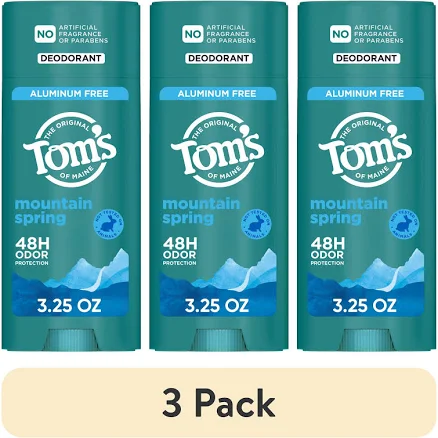
(3 pack) Toms of Maine Mountain Spring Natural Deodorant for Men and Women, Aluminum Free, 3.25 oz
Mineral powder cosmetic, inherently lower PFAS concern than treated products.
Tom's of Maine deodorant uses mineral-based, plant-derived ingredients without synthetic coatings or water-resistant treatments. No known PFAS risk factors for this formula type.
We flunk more products than we pass. This one earned its grade. How we grade
Material
mineral-based powder, baking soda, cornstarch, natural oils
Brand disclosure
Brand is silent on PFAS
Lab data
No public lab test
What (3 pack) Toms of Maine Mountain Spring is made of, ingredients and materials
Tom's of Maine Mountain Spring uses a mineral-powder base (likely mica or talc-free mineral compounds) combined with baking soda as the active odor-neutralizer and cornstarch as a moisture absorber, plus plant-derived oils for fragrance and skin feel. This formulation avoids aluminum compounds (which is the stated selling point) and relies instead on pH buffering and absorbent powders, a chemically simpler approach than antiperspirants. The simplicity of the ingredient list means fewer synthetic additives that could introduce heavy metals, phthalates, or formaldehyde releasers during manufacturing.
What’s concerning
No PFAS disclosure
No public statement from the brand about PFAS in this product.
Category baseline
The starting point for this type of product, before anything specific to this product is counted.
Baking soda skin irritation
Sodium bicarbonate (baking soda) is a primary active ingredient and can cause alkaline burn or contact dermatitis in individuals with sensitive skin or existing underarm irritation, especially with daily use over weeks. This is an inherent risk of the formulation, not a manufacturing defect.
Fragrance allergens (essential oils / botanical extracts)
The product contains natural fragrance oils and plant extracts (Mountain Spring scent profile typically includes citrus or herbal oils). While natural, these can trigger allergic contact dermatitis or sensitization in susceptible individuals; full fragrance composition is not always itemized on packaging.
What’s reassuring
Base material not linked to PFAS
The main material recorded for this product is not one associated with PFAS.
Talc or mineral dust contamination (asbestos risk)
Tom's of Maine does not list talc in this formulation; mineral powders used instead are typically mica or corn-derived. No asbestos contamination has been reported for this product, and the manufacturer's sourcing practices are not flagged by regulatory agencies.
Heavy metals
Mineral-based cosmetic powders can accumulate trace metals (lead, cadmium) during mining or processing. No recalls or third-party test reports of heavy-metal exceedance have been published for Tom's of Maine deodorants, and the brand's parent company operates under FDA oversight.
Source, FDA ↗Formaldehyde / VOCs
The ingredient list does not include common formaldehyde releasers (e.g., DMDM hydantoin, imidazolidinyl urea). Mineral and oil-based formulations are less dependent on synthetic preservatives, reducing this risk class.
Source, ATSDR ↗The full breakdown
The brand's record and disclosure
Tom's of Maine is owned by Colgate-Palmolive but maintains a reputation for ingredient transparency and has been certified by various natural-product standards (USDA does not certify deodorants, but the brand voluntarily discloses ingredients). No significant safety recalls or toxicant contamination cases are on record for this product line. The brand does not publicly disclose PFAS testing or stance, which is typical for smaller cosmetic manufacturers, but the absence of fluorinated polymers in the formulation reduces inherent PFAS risk.
How it compares in its category
Mineral-powder deodorants like this are generally lower-hazard than spray antiperspirants (which carry inhalation and formulation complexity risks) and comparable to other baking-soda-based natural brands. Unlike conventional antiperspirants, it contains no aluminum salts, which eliminates that specific exposure pathway. The trade-off is that powder deodorants offer odor-masking rather than sweat reduction, which some users find less effective but chemically less elaborate.
If you buy it
Apply to clean, dry skin to maximize effectiveness and prevent clumping from moisture. Replace when the stick is depleted or shows visible discoloration or separation (typically 3-6 months depending on use frequency). Store in a cool, dry location away from direct heat or humidity to preserve powder integrity. If skin irritation occurs (baking soda can be irritating for sensitive underarm skin), test on a small area first or consider a lower-soda formulation.
What we don’t know
- Basis
- Model estimate, 85% confidence, not a lab result
- Lab test
- None on record for this exact product
- Brand statement
- Tom's of Maine has made none
Formulations change between production runs, so check the current label. How we grade.
Better-graded alternatives in Deodorant
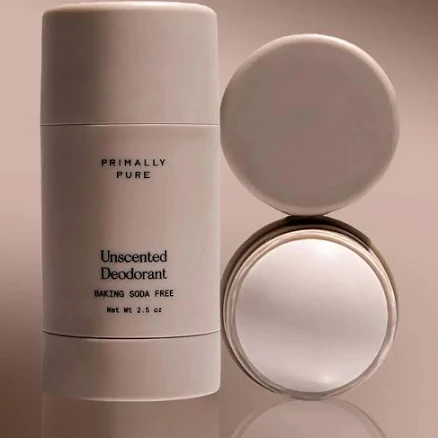
Primally Pure
Baking Soda Free Deodorant
- mineral-based powder blend (arrowroot, magnesium hydroxide, mica)
- We found no PFAS statement from the brand
- Skin irritation from magnesium hydroxide alkalinity
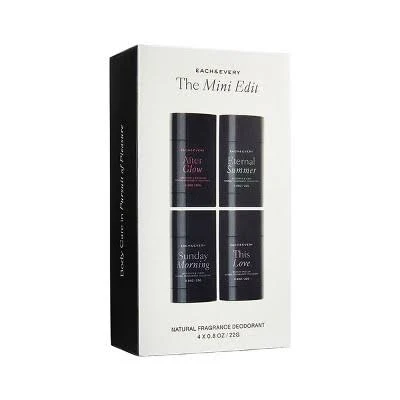
Each & Every
The Mini Edit
- cosmetic formulations, primary ingredients listed
- A third party reports verifying it as PFAS-free
- Fragrance allergens (natural essential oils)
2 hazards checked on this product. See all of them.
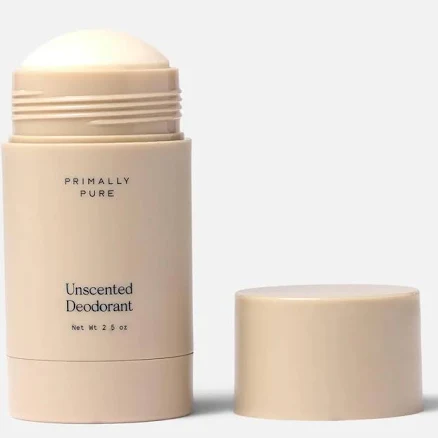
Primally Pure
UNSCENTED SENSITIVE DEODORANT Primally Pure Skincare
- natural mineral powders, plant-based actives, beeswax
- We found no PFAS statement from the brand
- Beeswax purity and contamination
2 hazards checked on this product. See all of them.
More deodorant grades
How we score, every product runs through the same public 0-100 rubric based on materials, coatings, brand disclosure, lab findings, and recalls. See the full methodology → Spotted a mistake? Report an error.