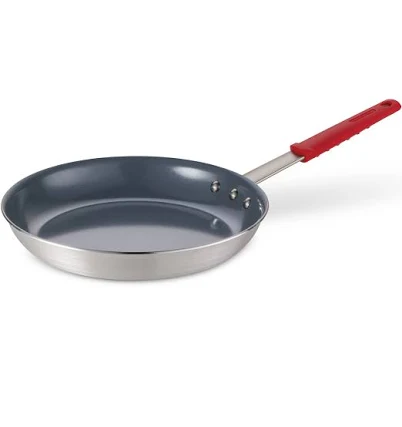
Tramontina Professional 12-Inch Ceramic Fry Pan
Ceramic non-stick coating of unstated chemistry, and no PFAS statement from the brand.
This pan uses ceramic nonstick coating instead of traditional Teflon-type coating, reducing typical PFAS concerns. Tramontina does not publicly disclose PFAS testing or sourcing details for this product.
The better-graded swap
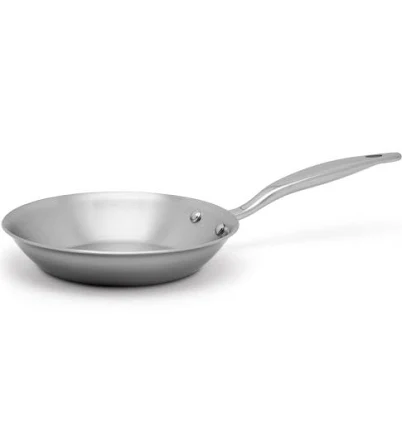
Heritage Steel
Heritage Steel Fry Pan 8.5"
100/100 safety
Same rubric that flunked this product. The swap earned Excellent.
Still want this one anyway? Check the price on Amazon. We’d swap it.
Material
Ceramic nonstick coating
Lab data
No public lab test
Is Tramontina Professional 12-Inch Ceramic non-toxic? What it is made of
This pan has a ceramic nonstick coating applied over an aluminum or steel base. Tramontina does not publicly disclose the specific chemistry of its ceramic coating, including whether it contains Teflon-type coating, silicone, or proprietary polymer blends. Ceramic coatings are often marketed as Teflon-type coating-free alternatives, but the actual binder resins and additives in any brand's formulation are rarely transparent. Without ingredient disclosure, you cannot independently verify what outgasses under heat or what happens if the coating chips or flakes.
What’s concerning
Non-stick, chemistry undisclosed
Marketed as non-stick without stating the coating chemistry.
Category baseline
The starting point for this type of product, before anything specific to this product is counted.
No PFAS disclosure
No public statement from the brand about PFAS in this product.
Ceramic coating degradation and unknown breakdown products
Ceramic coatings degrade faster than Teflon-type coating and release particles into food when compromised. Tramontina does not disclose what polymer or binders are in this coating, so degradation byproducts are undocumented. Once flaking begins, ingestion of coating fragments and exposure to the underlying substrate become probable.
Aluminum base leaching
If the pan's base is primarily aluminum (common in budget ceramic pans), small amounts of aluminum can migrate into acidic foods if the ceramic coating is thin, porous, or damaged. Tramontina does not specify the base material thickness or coating porosity in available documentation.
Thermal fume release at elevated temperatures
Ceramic coatings of unknown chemistry may release volatile compounds when heated to high temperatures, particularly if they contain silicone-based binders or proprietary resins. No test data from Tramontina is publicly available, and the coating chemistry is not disclosed.
Lack of safety documentation and customer recourse
Tramontina provides no publicly accessible safety data sheet or composition list for this product. Consumer reports and third-party testing for this specific model are sparse, limiting your ability to verify long-term safety or compare to competitors with full disclosure.
What’s reassuring
Lead
No recalls or test failures documenting lead or cadmium contamination in Tramontina ceramic cookware have been reported. However, without full composition transparency, the presence of mineral pigments cannot be ruled out; ceramic glazes can sometimes contain trace heavy metals depending on formulation.
Source, ATSDR ↗The full breakdown
The brand's record and disclosure
Tramontina, a Brazilian cookware manufacturer owned by Groupe SEB, does not publish safety data sheets or detailed material composition for its nonstick coatings on consumer-facing channels. The brand has no documented PFAS commitment or third-party certifications (such as GREENGUARD) for this product line. No major recalls for nonstick coating failure or chemical release have been reported for Tramontina ceramic pans in public databases, but the lack of transparency makes independent assessment difficult.
How it compares in its category
Ceramic nonstick pans occupy a middle ground, they avoid the regulatory scrutiny and Teflon-type coating fume risk of older Teflon-type coating coatings, but they typically degrade faster (1-3 years of regular use) than Teflon-type coating and their coating chemistry is usually proprietary and undisclosed. Compared to cast iron or stainless steel, this pan offers lower stick but shorter lifespan. Compared to Teflon-type coating-based nonstick at similar price, ceramic's durability is often worse, though chemical composition is less established in testing.
If you buy it
Keep stovetop heat at medium and avoid exceeding 400°F (most ceramic coatings begin to degrade or release unknowns above this). Use wooden or silicone utensils only; metal will accelerate coating flaking. Inspect the surface every 6 months for crazing (fine cracks), peeling, or discoloration. Once the coating shows visible damage, stop using the pan (flaked material and exposed base metal are hazards). Hand wash only and avoid dishwashers, which speed coating breakdown.
What we don’t know
- Basis
- Model estimate, 72% confidence, not a lab result
- Lab test
- None on record for this exact product
- Brand statement
- Tramontina has made a specific claim
Formulations change between production runs, so check the current label. How we grade.
Better-graded alternatives in Cookware
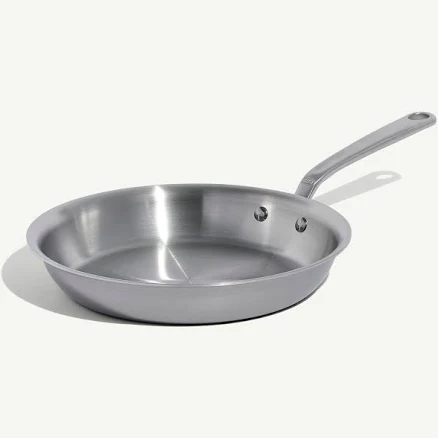
Made In
Stainless Clad Fry Pan
- Stainless steel clad construction, no nonstick coating
- The brand calls it PFAS-free, which we have not verified
- Clad separation or delamination over time
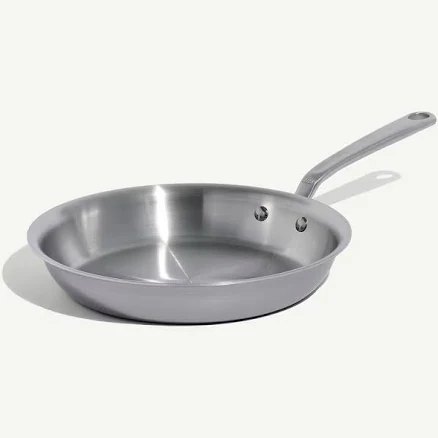
Made In
10' Stainless Clad Frying Pan
- stainless steel clad construction, no nonstick coating
- The brand calls it PFAS-free, which we have not verified
- Nickel leaching from stainless steel
3 hazards checked on this product. See all of them.
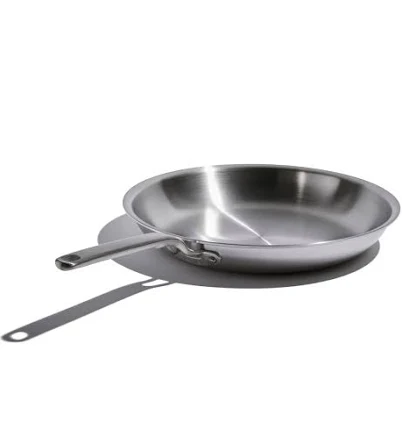
Heritage Steel
Eater Fry Pan
- Clad stainless steel, no coating
- The brand calls it PFAS-free, which we have not verified
- Metal ion release during cooking (iron, nickel, chromium)
More cookware grades
How we score, every product runs through the same public 0-100 rubric based on materials, coatings, brand disclosure, lab findings, and recalls. See the full methodology → Spotted a mistake? Report an error.