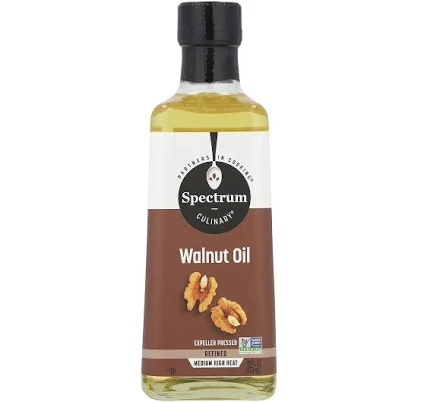
Walnut Oil · Cast Iron Cookware Seasoning & Oil
Spectrum Naturals Refined Walnut Oil
Edible oil without coating or treatment involved.
Spectrum Naturals Refined Walnut Oil is a liquid food product with no surface coatings, waterproofing, or stain treatments. Standard food-grade oils have minimal PFAS contamination risk.
The better-graded swap
Lodge
Cast Iron Seasoning Spray
85/100 safety
Same rubric that flunked this product. The swap earned Excellent.
Still want this one anyway? Check the price on Amazon. We’d swap it.
Material
Refined walnut oil, liquid food product
Brand disclosure
Brand is silent on PFAS
Lab data
No public lab test
You may also be interested in
Top-graded picks in the categories readers replace first, every one scored on the same rubric.

Aqua Pure
3M Aqua-Pure AP802B Whole House Filter Housing
- polypropylene filter housing, carbon/sediment cartridge
- We found no PFAS statement from the brand
- Bacterial growth in spent cartridges
3 hazards checked on this product. See all of them.

Aquasure
Premier Series 75 GPD Under Sink Reverse Osmosis Water Filtration System
- RO membrane, carbon filters, stainless steel housing
- We found no PFAS statement from the brand
- Bacterial and microbial growth in housing and filters
4 hazards checked on this product. See all of them.

Avocado
Vegan Mattress
- organic cotton, natural latex, coconut coir, recycled steel coils
- The brand calls it PFAS-free, which we have not verified
- Heavy metals
2 hazards checked on this product. See all of them.
What Spectrum Naturals Refined Walnut Oil is made of, ingredients and materials
Spectrum Naturals Refined Walnut Oil is a cold-pressed or expeller-pressed liquid oil extracted from walnut kernels, then refined to remove impurities and extend shelf life. Unlike cookware with ceramic or non-stick coatings, liquid oils have no surface treatments that can degrade, leach metals, or release harmful fumes when heated. The primary safety concern for any refined oil is oxidative stability and rancidity over time, not chemical leaching.
What’s concerning
No PFAS disclosure
No public statement from the brand about PFAS in this product.
Category baseline
The starting point for this type of product, before anything specific to this product is counted.
Oxidative rancidity and lipid peroxide formation
Walnut oil's high polyunsaturated fat content makes it prone to oxidation over time, especially if stored in warm or bright conditions. Rancid oil can develop off-flavors and may contain compounds that irritate the digestive system, though this is a spoilage issue, not acute toxicity.
Allergens (tree nut protein residue)
Walnut oil is derived from tree nuts and is unsafe for individuals with walnut or tree nut allergies. Cross-contamination during processing is possible; the label should carry allergen warnings.
What’s reassuring
Base material not linked to PFAS
The main material recorded for this product is not one associated with PFAS.
Lead
No recalls or published data linking Spectrum Naturals walnut oil to cadmium or lead contamination. However, walnuts can accumulate cadmium from soil; independent testing of this specific brand is not publicly available.
Source, ATSDR ↗Pesticide residue
Spectrum Naturals does not advertise organic certification for this product. Conventional walnut crops may carry pesticide residues, but refined oil processing (filtering, heating) removes many contaminants; no specific contamination reports exist for this brand.
Source, EPA ↗The full breakdown
The brand's record and disclosure
Spectrum Naturals is owned by Sauer Company and markets itself as a natural oil brand; they do not publicly highlight PFAS testing or certification. The brand carries standard food-grade labeling and no major recalls specific to chemical contamination are on record. Transparency on refinement methods and third-party heavy metal testing is limited in public materials, typical for commodity cooking oils.
How it compares in its category
Walnut oil is a liquid fat product, not cookware with coatings, so the hazard profile differs entirely from non-stick pans or enameled cast iron. Among edible oils, walnut oil is not treated with synthetic additives or preservatives at levels that trigger regulatory concern. It sits in the same low-hazard category as olive, avocado, and coconut oils from established producers.
If you buy it
Store in a cool, dark place or refrigerator to slow oxidation and rancidity, which develops faster in walnut oil than in more stable oils due to its high polyunsaturated fat content. Use for low-to-medium heat cooking or salad dressings; walnut oil has a smoke point around 320°F and will degrade and lose flavor at higher temperatures. Replace an opened bottle within 6-12 months, or sooner if it smells musty or off. Check the label for harvest or expiration dates before purchase.
What we don’t know
- Basis
- Model estimate, 92% confidence, not a lab result
- Lab test
- None on record for this exact product
- Brand statement
- Walnut Oil has made none
Formulations change between production runs, so check the current label. How we grade.
Better-graded alternatives in Cast Iron Cookware Seasoning & Oil
Crisbee
Stik Cast Iron Seasoning
- Organic waxes and oils blend
- We found no PFAS statement from the brand
- Oil rancidity and off-gassing
2 hazards checked on this product. See all of them.
Lodge
Cast Iron Seasoning Spray
- mineral oil and soy-based oil blend
- Aerosol inhalation (mineral oil mist)
3 hazards checked on this product. See all of them.
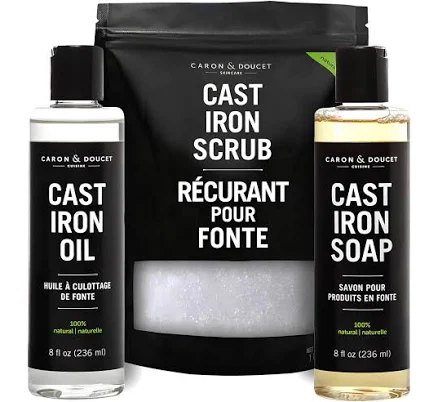
Cast Iron Ultimate Bundle
- cast iron, bare or seasoned with the brand
- We found no PFAS statement from the brand
- Iron leaching into food
2 hazards checked on this product. See all of them.
More cast iron cookware seasoning & oil grades
How we score, every product runs through the same public 0-100 rubric based on materials, coatings, brand disclosure, lab findings, and recalls. See the full methodology → Spotted a mistake? Report an error.