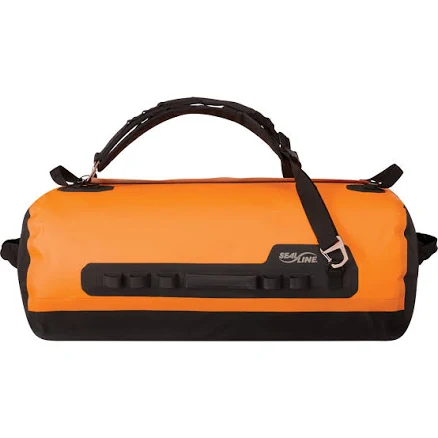
SealLine · Waterproof Bags & Luggage
SealLine Pro Zip Duffel
Avoid until Watershed discloses waterproofing chemistry.
Watershed's duffel uses waterproof coating but does not disclose PFAS status. Standard water-repellent coating treatments often contain PFAS, leaving risk unclear without specific claims.
The better-graded swap
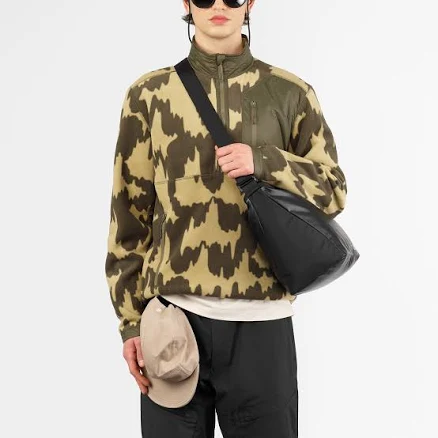
Salomon
Salomon Extended Totebag
85/100 safety
Same rubric that flunked this product. The swap earned Excellent.
Still want this one anyway? Check the price on Amazon. We’d swap it.
Material
Waterproof coated nylon or polyester duffel
Brand disclosure
Brand is silent on PFAS
Lab data
No public lab test
You may also be interested in
Top-graded picks in the categories readers replace first, every one scored on the same rubric.

- polypropylene filter housing, carbon/sediment cartridge
- We found no PFAS statement from the brand
- Bacterial growth in spent cartridges
3 hazards checked on this product, all on its full breakdown.

Aquasure
Premier Series 75 GPD Under Sink Reverse Osmosis Water Filtration System
- RO membrane, carbon filters, stainless steel housing
- We found no PFAS statement from the brand
- Bacterial and microbial growth in housing and filters
4 hazards checked on this product, all on its full breakdown.

Avocado
Vegan Mattress
- organic cotton, natural latex, coconut coir, recycled steel coils
- The brand calls it PFAS-free, which we have not verified
- Heavy metals
2 hazards checked on this product, all on its full breakdown.
What SealLine Pro Zip Duffel is made of, ingredients and materials
SealLine Pro Zip is constructed from coated nylon or polyester fabric with a waterproof laminate or coating applied to block moisture. The coating chemistry is not publicly specified by Watershed, which is the critical unknown for this product class. Coated technical textiles typically rely on either PFAS-based compounds (fluorocarbons like Teflon-type coating) or newer polyurethane/wax systems; without disclosure, you cannot verify which approach was used. The base fabric itself (nylon or polyester) is chemically stable under normal use conditions.
What’s concerning
Category baseline
The starting point for this type of product, before anything specific to this product is counted.
No PFAS disclosure
No public statement from the brand about PFAS in this product.
Waterproof / stain-resistant treatment
Water-repellent coating treatments have historically used PFAS.
Coating degradation over time
Waterproof nylon/polyester duffels degrade with age, UV exposure, and flexing; as the coating chips or peels, microscopic particles may shed. This is a mechanical wear issue rather than a toxicity release, but users should monitor for visible damage and replace once the seal fails.
PFAS
This is addressed in the PFAS grade (20/100) and separate verdict. The coating's composition directly determines whether persistent fluorochemicals are present; without disclosure, the hazard cannot be ruled out or confirmed.
Source, ATSDR ↗What’s reassuring
Azo dyes in synthetic fabrics
Polyester and nylon dyes are not inherently problematic in closed-form textiles. No evidence of restricted azo dyes (those cleaving to carcinogenic amines) in Watershed products has been reported, and the duffel's exterior exposure is minimal during typical use.
Heavy metals
Technical outdoor fabrics do not typically require pigment-based coloring; Watershed's duffels use synthetic dyes in standard formulations. No brand-specific testing or contamination reports are publicly available.
Source, FDA ↗Antimony in polyester
Antimony (used as a polyester catalyst) remains in polymer at trace levels but does not migrate into food or skin under normal use. A dry bag is not a food-contact item and poses no exposure route.
How is this PFAS grade calculated?
The brand's record and disclosure
Watershed is a smaller technical outdoor brand with limited public chemical disclosure on its website or product documentation. No published PFAS policy, third-party certifications (Bluesign, GOTS, or similar chemical standards), or transparency reports are widely available. The brand has not faced major recalls or publicized contamination incidents, but silence on waterproofing chemistry is notable in an era when competitors increasingly disclose or phase out PFAS. This lack of transparency is the primary concern, not evidence of harm.
How it compares in its category
Waterproof duffels and dry bags represent a high-risk category for PFAS because repellency demands water-barrier coatings. Watershed's Pro Zip competes in the technical/outdoor segment against brands like Osprey and Patagonia, some of which have begun disclosing non-PFAS waterproofing. Mainstream brands often use Teflon-type coating or related fluorocarbons; fewer have published transitions to PFAS-free alternatives. This duffel is mid-range in disclosure compared to premium outdoor brands but offers no transparency advantage.
If you buy it
Store dry and away from heat; prolonged exposure to direct sunlight or heat above 65 degrees Celsius (150 Fahrenheit) can degrade synthetic coatings, though this is not a typical use scenario. Wash gently with lukewarm water and mild soap if needed; avoid solvents or harsh detergents that could break down the waterproof layer. Replace if the coating begins to crack, peel, or no longer repels water, as a damaged seal reduces the product's function. Contact Watershed directly to request waterproofing chemistry disclosure before purchase if PFAS status matters to your household.
What is not known about PFAS in this product?
- Basis
- Model estimate, 42% confidence, not a lab result
- Lab test
- None on record for this exact product
- Brand statement
- SealLine has made none
Formulations change between production runs, so check the current label. How we grade.
What are the PFAS-free alternatives to SealLine Pro Zip Duffel?
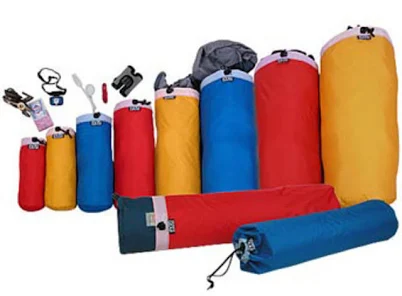
- Cordura nylon fabric
- We found no PFAS statement from the brand
- Heavy metals
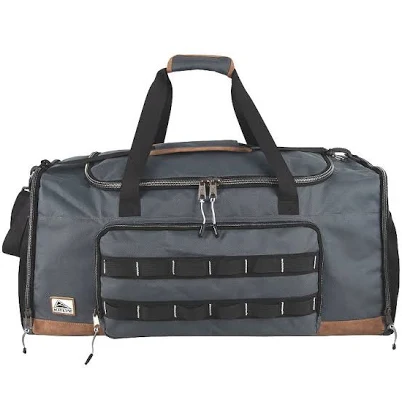
- Polyester webbing and nylon
- Azo dyes in polyester webbing
4 hazards checked on this product, all on its full breakdown.
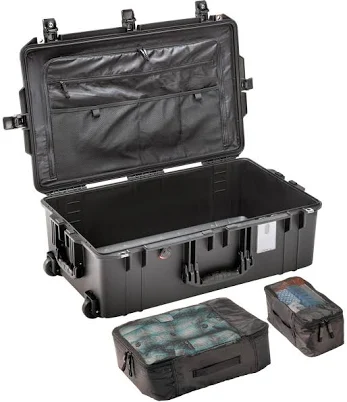
- Polypropylene shell, polyurethane foam, stainless steel hardware
- Polyurethane foam degradation and off-gassing
More waterproof bags & luggage grades
How we score, every product runs through the same public 0-100 rubric based on materials, coatings, brand disclosure, lab findings, and recalls. See the full methodology → Spotted a mistake? Report an error.