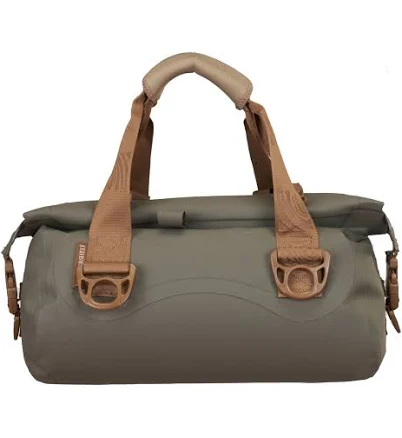
Watershed · Waterproof Bags & Luggage
Watershed Goforth Duffel Bag
Avoid until Watershed discloses water-repellent coating chemistry or testing.
Watershed makes quality gear but does not publicly disclose PFAS presence or absence in waterproof treatments. water-repellent coating-coated outdoor bags commonly use legacy PFAS with unknown verification status.
The better-graded swap
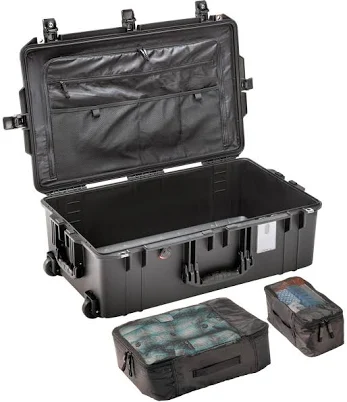
Pelican
Pelican 1595 Air Travel Case
85/100 safety
Same rubric that flunked this product. The swap earned Excellent.
Still want this one anyway? Check the price on Amazon. We’d swap it.
Material
Durable waterproof nylon or polyester with water-repellent coating treatment
Brand disclosure
Brand is silent on PFAS
Lab data
No public lab test
You may also be interested in
Top-graded picks in the categories readers replace first, every one scored on the same rubric.

- polypropylene filter housing, carbon/sediment cartridge
- We found no PFAS statement from the brand
- Bacterial growth in spent cartridges
3 hazards checked on this product, all on its full breakdown.

Aquasure
Premier Series 75 GPD Under Sink Reverse Osmosis Water Filtration System
- RO membrane, carbon filters, stainless steel housing
- We found no PFAS statement from the brand
- Bacterial and microbial growth in housing and filters
4 hazards checked on this product, all on its full breakdown.

Avocado
Vegan Mattress
- organic cotton, natural latex, coconut coir, recycled steel coils
- The brand calls it PFAS-free, which we have not verified
- Heavy metals
2 hazards checked on this product, all on its full breakdown.
What Watershed Goforth Duffel Bag is made of, ingredients and materials
The Goforth uses nylon or polyester (Watershed's specs vary by production run) treated with a water-repellent coating (water-repellent coating) finish to achieve its waterproof performance. water-repellent coating coatings historically relied on PFAS "forever chemicals" (PFAS), though newer non-fluorinated alternatives exist. The base fabric itself is a synthetic polymer prone to microfiber shedding when abraded, especially during washing. Without transparency on water-repellent coating chemistry, you cannot confirm whether this bag contains legacy or PFAS-free water repellency.
What’s concerning
Category baseline
The starting point for this type of product, before anything specific to this product is counted.
No PFAS disclosure
No public statement from the brand about PFAS in this product.
Waterproof / stain-resistant treatment
Water-repellent coating treatments have historically used PFAS.
Microfiber shedding during use and washing
Synthetic nylon and polyester fabrics shed microfibers, especially when wet or abraded. Watershed duffels are not coated to prevent fiber release entirely. Cold, gentle washing reduces shedding; prolonged use will contribute to microplastic environmental burden.
water-repellent coating degradation and unknown replacement chemistry
Water-repellent coating finishes degrade over time and require reapplication. Watershed does not specify which water-repellent coating recoating products are compatible or present lower concern. If you re-treat with a consumer water-repellent coating spray, you may inadvertently introduce PFAS or volatile organic compounds not present in the original coating.
What’s reassuring
Azo dyes / synthetic dye toxicity
Nylon and polyester duffels are typically solution-dyed or piece-dyed. No safety recalls or contamination reports exist for Watershed Goforth dyes specifically. Standard polyester textiles meet OEKO-TEX or similar restrictions; Watershed's dye supplier is undisclosed.
Formaldehyde / VOCs
Water-repellent and anti-microbial finishes on outdoor fabrics sometimes contain formaldehyde releasers. Watershed does not publish finish chemistry; no data on formaldehyde content is publicly available for this model.
Source, ATSDR ↗Antimony in polyester
Antimony trioxide is used as a polymerization catalyst in polyester production and can leach in trace amounts. Duffel bags are not food-contact items, and leaching risk into skin is minimal. No testing or incidents are on record for Watershed polyester bags.
How is this PFAS grade calculated?
The brand's record and disclosure
Watershed has not publicly disclosed water-repellent coating formulation chemistry, testing data, or commitment to PFAS-free coatings as of available records. The brand markets durability and outdoor use but does not specify whether its water-repellent treatments contain fluorinated compounds. No recalls, safety warnings, or third-party certifications (e.g., OEKO-TEX, Bluesign) are documented for this product line. This silence is inconsistent with competitors (e.g., Patagonia, REI brands) that now publish water-repellent coating supplier information or offer PFAS-free options.
How it compares in its category
Waterproof duffels typically use either PU-coated nylon (lower PFAS risk but less durable), Teflon-type coating-lined fabrics (known PFAS), or wax/silicone hybrid treatments (emerging, less proven). Watershed's approach is middle-of-the-road but lacks the transparency that premium outdoor brands now provide. Competitors like Hyperlite and some Patagonia models disclose supplier water-repellent coating chemistry; Watershed does not. For a technical gear purchase, this opacity is a material disadvantage.
If you buy it
Avoid washing in hot water (>40C); cold water and mild soap reduce microfiber release and extend water-repellent coating life without stress. Do not dry-clean or expose to direct heat; re-treat the water-repellent coating every 1-2 years if water no longer beads on the surface. Store dry and uncompressed to prevent mildew and fabric degradation. Before purchase, contact Watershed directly and request water-repellent coating supplier certification or test reports; if they decline, this signals weak commitment to chemical transparency.
What is not known about PFAS in this product?
- Basis
- Model estimate, 45% confidence, not a lab result
- Lab test
- None on record for this exact product
- Brand statement
- Watershed has made none
Formulations change between production runs, so check the current label. How we grade.
What are the PFAS-free alternatives to Watershed Goforth Duffel Bag?
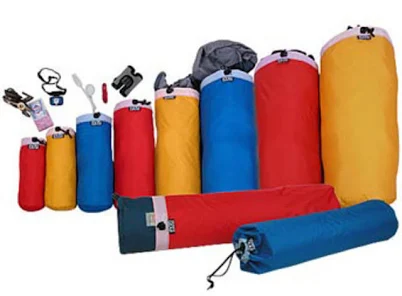
- Cordura nylon fabric
- We found no PFAS statement from the brand
- Heavy metals
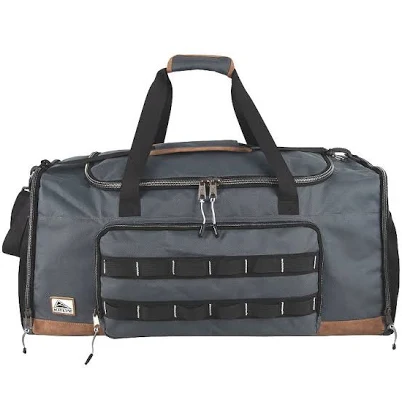
- Polyester webbing and nylon
- Azo dyes in polyester webbing
4 hazards checked on this product, all on its full breakdown.
- Polypropylene shell, polyurethane foam, stainless steel hardware
- Polyurethane foam degradation and off-gassing
More waterproof bags & luggage grades
How we score, every product runs through the same public 0-100 rubric based on materials, coatings, brand disclosure, lab findings, and recalls. See the full methodology → Spotted a mistake? Report an error.