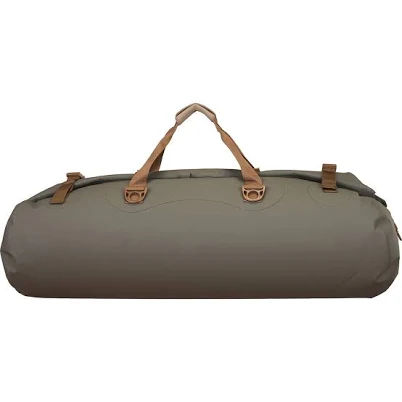
Watershed · Waterproof Bags & Luggage
Watershed Mississippi Dry Duffel
Waterproof duffel with undisclosed water-repellent coating; PFAS status uncertain.
Watershed makes durable waterproof gear but does not disclose PFAS in coatings. Most waterproof fabrics use water-repellent coating treatments historically containing PFAS, though newer alternatives exist, leaving risk unclear without brand transparency.
The better-graded swap
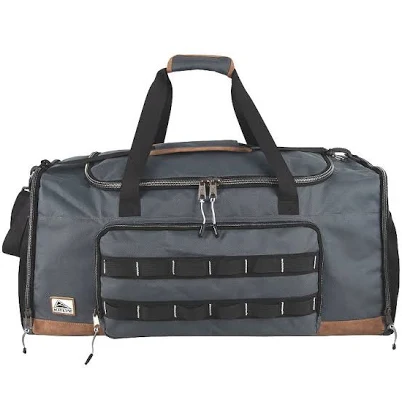
Kelty
Kelty Daisy Chain Web Duffel Bag
85/100 safety
Same rubric that flunked this product. The swap earned Excellent.
Still want this one anyway? Check the price on Amazon. We’d swap it.
Material
Coated fabric with unspecified waterproof water-repellent coating treatment
Brand disclosure
Brand is silent on PFAS
Lab data
No public lab test
You may also be interested in
Top-graded picks in the categories readers replace first, every one scored on the same rubric.

- polypropylene filter housing, carbon/sediment cartridge
- We found no PFAS statement from the brand
- Bacterial growth in spent cartridges
3 hazards checked on this product, all on its full breakdown.

Aquasure
Premier Series 75 GPD Under Sink Reverse Osmosis Water Filtration System
- RO membrane, carbon filters, stainless steel housing
- We found no PFAS statement from the brand
- Bacterial and microbial growth in housing and filters
4 hazards checked on this product, all on its full breakdown.

Avocado
Vegan Mattress
- organic cotton, natural latex, coconut coir, recycled steel coils
- The brand calls it PFAS-free, which we have not verified
- Heavy metals
2 hazards checked on this product, all on its full breakdown.
What Watershed Mississippi Dry Duffel is made of, ingredients and materials
The Watershed Mississippi is a coated fabric duffel, meaning a base textile (likely nylon or polyester) has been treated with a waterproof or water-resistant topcoat. The brand does not publicly disclose the specific water-repellent coating (water-repellent coating) chemistry used. Coated fabrics rely on either fluorinated compounds (PFAS-based) or newer non-fluorinated alternatives; Watershed's silence on this is the core uncertainty. The coating protects the bag from moisture but introduces leaching and durability questions if the coating degrades or if care is improper.
What’s concerning
Category baseline
The starting point for this type of product, before anything specific to this product is counted.
No PFAS disclosure
No public statement from the brand about PFAS in this product.
Waterproof / stain-resistant treatment
Water-repellent coating treatments have historically used PFAS.
Coating degradation and leaching
Coated fabrics degrade over time, especially with UV exposure, heat, or improper washing. As the coating breaks down, uncured oligomers and plasticizers from the base coating formulation may leach into contents or the environment. Watershed does not disclose what polymers or additives comprise the coating, making long-term safety prediction impossible.
PFAS
Although graded separately in the PFAS verdict, it bears noting here, modern water-repellent coating treatments may use C6 or C8 fluorinated compounds, or non-fluorinated alternatives. Watershed's silence means this duffel could contain either. Fluorinated water-repellent coating can off-gas or leach if coating is abraded or heated; non-fluorinated alternatives are present but unconfirmed here.
Source, ATSDR ↗Heat sensitivity and vapor leakage
Coatings can soften or off-gas if exposed to direct heat (e.g., car interior in summer, near heaters, or dryers). Unplasticized or uncured coating components may volatilize. Use in cool, well-ventilated environments is recommended, and the bag should not be stored or dried in hot conditions.
Microplastic shedding from coating wear
Repeated flexing, abrasion, and washing of coated fabrics can shed microscopic coating particles into washing water and, indirectly, the environment. No specific data exists for Watershed, but this is a known behavior of coated-fabric gear generally, especially synthetic rubberized or PU coatings.
What’s reassuring
Formaldehyde / VOCs
The underlying fabric is likely nylon or polyester, both of which can be treated with synthetic dyes and anti-wrinkle or antimicrobial resins. Watershed does not disclose dye or resin standards. No recalls or reports implicate this brand specifically, but absence of disclosure means chemical identity is unverified.
Source, ATSDR ↗How is this PFAS grade calculated?
The brand's record and disclosure
Watershed does not publish material safety data sheets, PFAS commitments, or third-party certifications for this product line in publicly available records. The brand markets itself as outdoor/waterproof focused but has not joined major transparency initiatives (ZDHC, Bluesign, or similar) that would indicate vetting of chemical inputs. No recalls or safety incidents are on record for this specific model, but the absence of disclosure is itself a red flag for environmentally and health-conscious buyers.
How it compares in its category
Coated-fabric duffels are standard in the travel and outdoor category. Competitors vary widely, some brands (e.g., Patagonia, Peak Design) publish PFAS-free or low-PFAS claims; others remain silent like Watershed. Uncoated or naturally water-resistant alternatives (waxed canvas, wool-blend) exist but are heavier and less packable. Watershed's price point and durability reputation are mid-to-premium, but the lack of chemical transparency is a meaningful gap versus disclosed competitors.
If you buy it
Wash the bag by hand in cool water with mild detergent; avoid hot water, machine washing, or chlorine, all of which can degrade the coating and increase leaching. Do not dry-clean or apply solvents. Store dry in a cool place away from direct heat or sunlight to extend coating life. If the coating visibly flakes, cracks, or loses water repellency (typically after 3-5 years of heavy use), replacement is recommended, as repair restores neither waterproofing nor coating integrity reliably.
What is not known about PFAS in this product?
- Basis
- Model estimate, 45% confidence, not a lab result
- Lab test
- None on record for this exact product
- Brand statement
- Watershed has made none
Formulations change between production runs, so check the current label. How we grade.
What are the PFAS-free alternatives to Watershed Mississippi Dry Duffel?
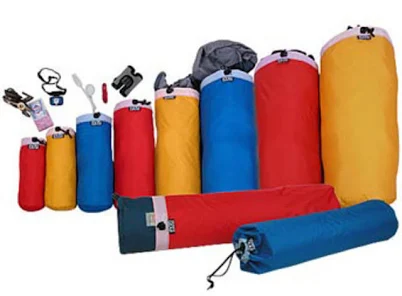
- Cordura nylon fabric
- We found no PFAS statement from the brand
- Heavy metals
- Polyester webbing and nylon
- Azo dyes in polyester webbing
4 hazards checked on this product, all on its full breakdown.
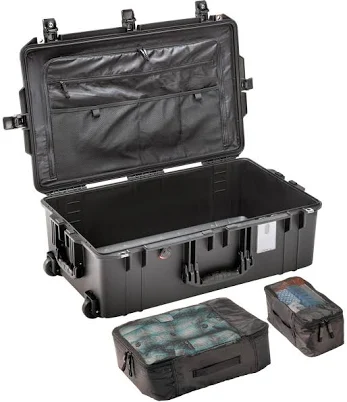
- Polypropylene shell, polyurethane foam, stainless steel hardware
- Polyurethane foam degradation and off-gassing
More waterproof bags & luggage grades
How we score, every product runs through the same public 0-100 rubric based on materials, coatings, brand disclosure, lab findings, and recalls. See the full methodology → Spotted a mistake? Report an error.