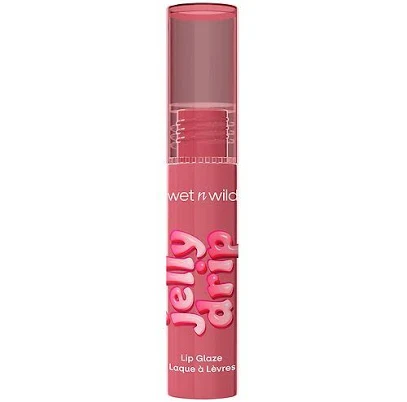
Wet n Wild · Lip Balm & Long-Wear Lipstick
Wet n Wild Jelly Drip Lip Glaze - 0.14 fl oz
Lower-risk cosmetic; no known PFAS markers. Brand provides no transparency.
Wet n Wild's Jelly Drip is a standard cosmetic gel formula with no publicly documented PFAS-relevant ingredients like Teflon-type coating, Teflon-family coating, or explicit water-resistant treatment. The brand makes no PFAS claim.
We flunk more products than we pass. This one earned its grade. How we grade
Material
Jelly polymer base (likely acrylates/silicones); no Teflon-type coating, Teflon-family coating, or explicit water-resistant treatment identifie
Brand disclosure
Brand is silent on PFAS
Lab data
No public lab test
What Wet n Wild Jelly Drip Lip Glaze - 0.14 fl is made of, ingredients and materials
Wet n Wild Jelly Drip uses a jelly polymer base, typically composed of acrylates and/or silicone polymers that form a flexible, non-setting film on lips. These materials are FDA-approved for cosmetic use and do not require thermal processing during application, eliminating heat-related degradation risks seen in some other formulations. The jelly texture itself poses minimal leaching risk because the polymers remain on the lip surface rather than penetrating skin or being ingested in significant quantities. No Teflon-type coating or Teflon-family coating coatings have been identified in this product line.
What’s concerning
Category baseline
The starting point for this type of product, before anything specific to this product is counted.
No PFAS disclosure
No public statement from the brand about PFAS in this product.
1,4-Dioxane as manufacturing residue
Acrylate-based polymers can retain trace 1,4-dioxane from synthesis if not fully purified. Wet n Wild does not specify purification standards for their polymer inputs, so low-level residue cannot be ruled out, though cosmetic-grade acrylates are typically purified to negligible levels.
Fragrance allergens and undisclosed fragrance components
If the jelly gloss includes fragrance oil (common in Wet n Wild cosmetics), individual allergens (e.g., limonene, linalool) are not always itemized on the label. Persons with fragrance sensitivity should patch-test or contact the brand directly for a full fragrance composition.
Polymer film degradation and microplastic shedding
As the jelly polymer ages or is exposed to friction (from lip movement or overlapping layers), microscopic polymer particles may shed and be ingested. The long-term health impact of cosmetic-grade microplastic exposure is not well-established, but this is a general concern for all polymer-based lip products.
What’s reassuring
Base material not linked to PFAS
The main material recorded for this product is not one associated with PFAS.
Heavy metals
No recalls or test failures linking Wet n Wild lip products to cadmium, lead, or chromium contamination have been documented. FDA-approved colorants in cosmetics are screened for heavy metals, but the brand does not publicly disclose third-party testing results for this product.
Source, FDA ↗Formaldehyde / VOCs
No formaldehyde-donor preservatives (e.g., DMDM hydantoin, imidazolidinyl urea) have been identified in publicly available ingredient lists for Wet n Wild glosses. Jelly polymer bases typically use sorbic acid or potassium sorbate for preservation, which do not release formaldehyde.
Source, ATSDR ↗The full breakdown
The brand's record and disclosure
Wet n Wild (owned by Coty) has not published detailed ingredient transparency reports or third-party safety certifications for this specific product. The brand has faced no major recalls or regulatory actions tied to lip products in recent years, and no documented formaldehyde-releaser preservative systems have been flagged in their cosmetic lines. However, the company provides minimal public disclosure on heavy-metal testing, allergen screening, or ingredient sourcing, making independent verification difficult. No cruelty-free or clean-beauty certifications are prominently claimed for this line.
How it compares in its category
Jelly lip glosses occupy a middle ground in the gloss category, they avoid the occlusive silicone burden of traditional thick glosses and sidestep the water-resistant polymer coatings that can trap contaminants. Wet n Wild's price point (under USD 10) is lower than prestige brands like Charlotte Tilbury or MAC, which typically offer more transparent ingredient sourcing and stability testing. Compared to indie or clean-beauty alternatives (e.g., Glossier, RMS Beauty), Wet n Wild does not advertise organic or non-toxic ingredient sourcing, but direct evidence of harm is equally absent. The jelly format itself presents similar concerns as cream or oil-based glosses in terms of PFAS risk.
If you buy it
Store the product at room temperature away from direct sunlight, as UV exposure can degrade the polymer matrix over time. Do not apply to broken, irritated, or freshly tattooed lips, as the occlusive nature may interfere with healing. Replace every 12-18 months or if the texture becomes tacky, grainy, or develops an off odor, signaling polymer breakdown or microbial growth. If any redness, itching, or swelling occurs, discontinue use immediately; jelly glosses can occasionally trigger contact sensitivity in individuals with fragrance or preservative sensitivities, though this is uncommon.
What we don’t know
- Basis
- Model estimate, 72% confidence, not a lab result
- Lab test
- None on record for this exact product
- Brand statement
- Wet n Wild has made none
Formulations change between production runs, so check the current label. How we grade.
More lip balm & long-wear lipstick grades
How we score, every product runs through the same public 0-100 rubric based on materials, coatings, brand disclosure, lab findings, and recalls. See the full methodology → Spotted a mistake? Report an error.