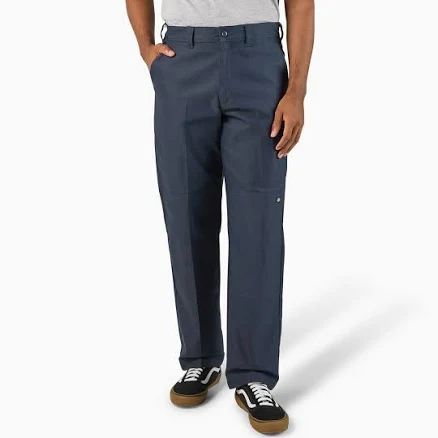
Dickies · Stain-Resistant Professional Workwear
Dickies Men's Pro Series Double Knee Work Pants
Standard work pants with water-repellent coating finish; brand silent on PFAS presence.
Dickies Pro Series pants are cotton-polyester with durable water-resistant finishing, a common PFAS source in workwear. Williamson-Dickie won't disclose PFAS content or treatment methods.
Still want this one anyway? Check the price on Amazon. We’d swap it.
Material
Cotton/polyester blend with water-repellent coating treatment
Brand disclosure
Brand is silent on PFAS
Lab data
No public lab test
What Dickies Men's Pro Series Double Knee Work is made of, ingredients and materials
Dickies Pro Series Double Knee uses a cotton-polyester blend (typically 65/35 or similar ratio) with a water-repellent coating (water-repellent coating) finish. The blend balances cotton's breathability and durability with polyester's strength and wrinkle resistance. The water-repellent coating is the primary chemical concern, historically such finishes used PFAS-based compounds, though reformulation to non-fluorinated alternatives is increasingly common. The double-knee reinforcement uses the same base fabric with extra layers sewn at stress points.
What’s concerning
Category baseline
The starting point for this type of product, before anything specific to this product is counted.
No PFAS disclosure
No public statement from the brand about PFAS in this product.
Waterproof / stain-resistant treatment
Water-repellent coating treatments have historically used PFAS.
water-repellent coating finish degradation and microfiber shedding
Synthetic-blend fabrics shed microfibers when washed and worn, especially as water-repellent coating breaks down. This is not unique to Dickies but inherent to polyester blends; microfiber contamination is environmental rather than direct health risk to the wearer.
What’s reassuring
Formaldehyde / VOCs
No formaldehyde resins are standard in water-repellent coating finishes; however, finishing and dyeing processes in cotton-poly blends may use small amounts in some factories. Dickies does not disclose process chemistry, and no recalls or complaints are on record for this product line.
Source, ATSDR ↗Azo dyes (synthetic colorants in dark colors)
Dickies work pants are produced to OSHA and US textile standards, which restrict banned azo dyes. No documented violations or safety alerts exist for this brand's dark work trousers, though formal certification is not publicly available.
Antimony in polyester component
Antimony trioxide is used as a polyester catalyst in manufacturing but is not typically present in finished fabric at unsafe levels. Dickies does not disclose polyester sourcing or catalyst details; no skin irritation complaints specific to these pants are documented.
Heavy metals
Dickies uses standard metal hardware (typically zinc-alloy or steel) and commercial dyes compliant with US import rules. No lead or cadmium contamination recalls exist for this product or brand; risk is low for typical use.
Source, FDA ↗The full breakdown
The brand's record and disclosure
Williamson-Dickie (Dickies parent company) does not publicly disclose water-repellent coating chemistry or chemical restricted substances lists specific to work apparel lines. The brand has no documented major textile safety recalls in recent years and is not known for formaldehyde or azo dye violations. However, silence on PFAS and water-repellent coating treatment means you cannot verify whether the finish uses legacy fluorinated compounds or newer alternatives. Dickies markets durability and value rather than chemical transparency.
How it compares in its category
Work pants in this price tier typically use similar cotton-poly blends with water-repellent coating finishes; Dickies is mainstream and widely distributed. Brands like Carhartt (similar price, wider distribution) also use water-repellent coating but similarly do not disclose PFAS status. Premium workwear brands (e.g., Rasco FR, made for flame-resistant markets) more often disclose treatment chemistry due to regulatory pressure in specialized sectors. Standard work pants like these occupy a middle ground, no transparency push but also no public safety warnings.
If you buy it
Wash before first wear to reduce loose dyes and finish residues; use cool water and mild detergent to preserve water-repellent coating longevity. Avoid high heat drying (air dry or low tumble) to prevent synthetic fiber degradation and minimize potential off-gassing. water-repellent coating finishes degrade after 20-40 washes; if water no longer beads, the finish has worn off but the base fabric's PFAS concern may change depending on what chemicals were used in the water-repellent coating treatment. Replace when seams fray or fabric thins at stress points (typically 1-2 years of regular use), not due to chemical hazard.
What we don’t know
- Basis
- Model estimate, 35% confidence, not a lab result
- Lab test
- None on record for this exact product
- Brand statement
- Dickies has made none
Formulations change between production runs, so check the current label. How we grade.
Better-graded alternatives in Stain-Resistant Professional Workwear

Banana Republic
Women's High-Rise Straight Stretch Linen-Viscose Utility Pants
- linen-viscose blend, no water-resistant finish
- We found no PFAS statement from the brand
- Formaldehyde / VOCs
3 hazards checked on this product. See all of them.

Brooks Brothers
Men's Pleated Cotton Chino Pants
- 100% cotton, pleated, no stated treatment
- We found no PFAS statement from the brand
- Residual azo dyes and synthetic dye intermediates
2 hazards checked on this product. See all of them.
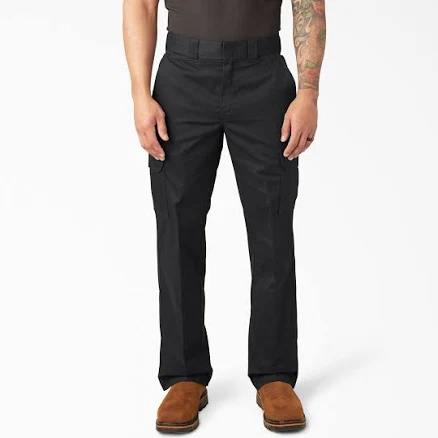
Dickies
Men's Relaxed Fit Straight Leg Cargo Work Pants
- 100% cotton twill, no water-resistant treatment
- We found no PFAS statement from the brand
- Azo dyes and residual finishing agents
2 hazards checked on this product. See all of them.
More stain-resistant professional workwear grades
How we score, every product runs through the same public 0-100 rubric based on materials, coatings, brand disclosure, lab findings, and recalls. See the full methodology → Spotted a mistake? Report an error.