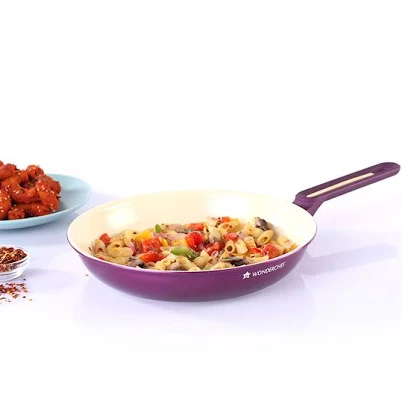
Wonderchef Bellagio Fry Pan, Is It Non-Toxic?
Avoid; nonstick coating type unknown and PFAS unclear.
This Wonderchef nonstick fry pan has an unspecified coating composition. Wonderchef provides no public PFAS information, leaving true risk unclear.
The better-graded swap
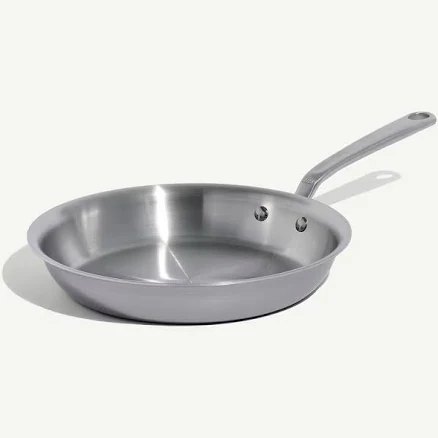
Made In
MADE IN 10' Stainless Clad Frying Pan
100/100 safety
Same rubric that flunked this product. The swap earned Excellent.
Still want this one anyway? Check the price on Amazon. We’d swap it.
Material
Nonstick coating, composition unspecified
Brand disclosure
Brand is silent on PFAS
Lab data
No public lab test
You may also be interested in
Top-graded picks in the categories readers replace first, every one scored on the same rubric.

- polypropylene filter housing, carbon/sediment cartridge
- We found no PFAS statement from the brand
- Bacterial growth in spent cartridges
3 hazards checked on this product, all on its full breakdown.

Aquasure
Premier Series 75 GPD Under Sink Reverse Osmosis Water Filtration System
- RO membrane, carbon filters, stainless steel housing
- We found no PFAS statement from the brand
- Bacterial and microbial growth in housing and filters
4 hazards checked on this product, all on its full breakdown.

Avocado
Vegan Mattress
- organic cotton, natural latex, coconut coir, recycled steel coils
- The brand calls it PFAS-free, which we have not verified
- Heavy metals
2 hazards checked on this product, all on its full breakdown.
Is Wonderchef Bellagio Fry Pan non-toxic? What it is made of
The Wonderchef Bellagio employs a nonstick coating of unspecified composition, which is the critical safety variable for this product. Nonstick cookware typically relies on Teflon-family coating-based systems (often Teflon-type coating or Teflon-type coating alternatives), but Wonderchef has not publicly disclosed the specific chemistry, polymer class, or whether it contains legacy PFAS compounds. Without material transparency, end-users cannot independently assess thermal stability, off-gassing risk, or coating durability. The substrate (likely aluminum or steel) is secondary to coating integrity, which degrades over time and temperature cycles.
What’s concerning
Category baseline
The starting point for this type of product, before anything specific to this product is counted.
No PFAS disclosure
No public statement from the brand about PFAS in this product.
Non-stick, chemistry undisclosed
Marketed as non-stick without stating the coating chemistry.
Teflon-type coating fume risk (thermal degradation)
Unspecified nonstick coating may be Teflon-type coating-based; if heated above 400°F (200°C) or used on high settings, fume inhalation risk exists. Wonderchef provides no published thermal safety ceiling, so user error is a credible exposure pathway.
Coating degradation and particulate shedding
Nonstick coatings degrade with repeated use, heat cycling, and mechanical wear. Peeling or flaking coating can enter food; absence of brand replacement guidance increases risk of prolonged use of compromised cookware.
Aluminum leaching
If the pan substrate is aluminum and the nonstick coating is damaged or absent in spots, direct aluminum contact with acidic foods (tomato, citrus, vinegar) can increase leaching. No material composition disclosed by brand; risk depends on substrate identity.
Lack of safety disclosure and consumer guidance
Absence of clear maximum temperature guidance, coating composition, or recommended replacement intervals on product or brand website prevents informed use. This information gap is a documented gap in accountability, not a direct toxin, but increases misuse risk.
How is this PFAS grade calculated?
The brand's record and disclosure
Wonderchef, an Indian cookware brand owned by K2 Essential Appliances, maintains minimal public disclosure on coating composition, manufacturing standards, or PFAS policies. No independent certifications (e.g., GreenGuard, NSF) or third-party safety audits are publicly associated with this product line. The brand has not issued statements addressing PFAS concerns or coating safety, a notable gap given regulatory scrutiny of nonstick cookware in major markets. Absence of transparency does not confirm hazard, but it prevents informed risk assessment.
How it compares in its category
Most mainstream nonstick cookware brands (T-fal, Calphalon, All-Clad) now disclose coating type and provide care instructions tied to thermal limits. Premium brands increasingly adopt Teflon-type coating-free alternatives or publish PFAS-neutral certifications. The Bellagio occupies a mid-market position with lower price but comparatively opaque material documentation. Competitor transparency on maximum safe temperatures and coating lifespan is generally higher, making this product less predictable in long-term safety profile.
If you buy it
Strict adherence to heat limits (no preheating empty, keep below medium-high heat) is essential to prevent nonstick coating degradation and potential fume release. Hand-wash only; dishwasher use and metal utensils accelerate coating failure. Replace the pan immediately if the coating shows visible scratches, peeling, or flaking, as degraded coating can shed particles into food. Store in a dry environment and inspect regularly; the lack of brand guidance on replacement intervals means visual wear is your primary signal for retirement.
What is not known about PFAS in this product?
- Basis
- Model estimate, 35% confidence, not a lab result
- Lab test
- None on record for this exact product
- Brand statement
- Wonderchef has made none
Formulations change between production runs, so check the current label. How we grade.
What are the PFAS-free alternatives to Wonderchef Bellagio Fry Pan?
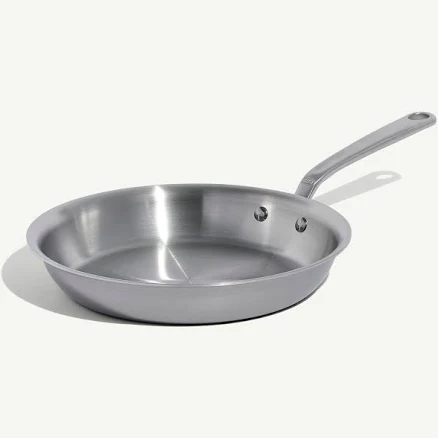
- Stainless steel clad construction, no nonstick coating
- The brand calls it PFAS-free, which we have not verified
- Clad separation or delamination over time
- stainless steel clad construction, no nonstick coating
- The brand calls it PFAS-free, which we have not verified
- Nickel leaching from stainless steel
3 hazards checked on this product, all on its full breakdown.
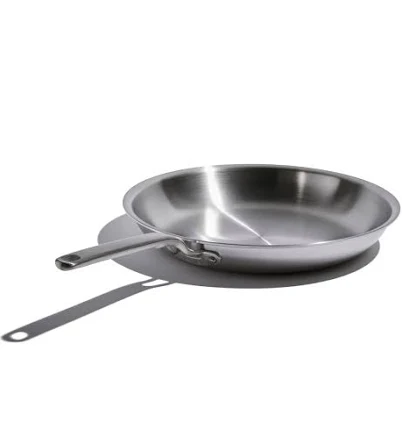
- Clad stainless steel, no coating
- The brand calls it PFAS-free, which we have not verified
- Metal ion release during cooking (iron, nickel, chromium)
More cookware grades
How we score, every product runs through the same public 0-100 rubric based on materials, coatings, brand disclosure, lab findings, and recalls. See the full methodology → Spotted a mistake? Report an error.