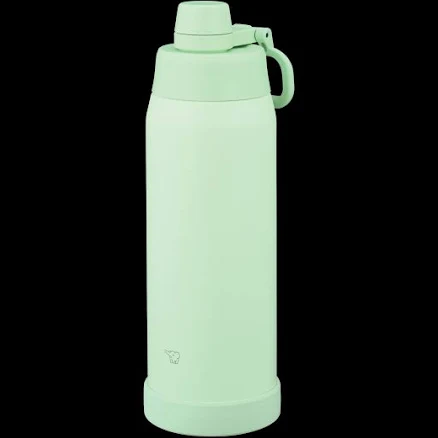
Zojirushi · Insulated Drink Tumblers
Zojirushi Stainless Cool Bottle
Low concern. Bare stainless steel has no known PFAS risk.
Zojirushi's stainless steel bottles typically feature uncoated stainless steel interiors. No PFAS treatment is evident in the product design or brand disclosures.
We flunk more products than we pass. This one earned its grade. How we grade
Material
stainless steel bottle, no interior coating disclosed
Lab data
No public lab test
What Zojirushi Stainless Cool Bottle is made of, ingredients and materials
The Zojirushi Stainless Cool Bottle is constructed from food-grade stainless steel (typically 18/8 or 304-grade) with no interior enamel, ceramic, or polymer coating disclosed. Bare stainless steel does not leach significant metals under normal beverage storage conditions because the chromium oxide surface layer is stable and does not dissolve in water or acidic drinks at room temperature. This material class avoids the primary risks of coated bottles, paint flaking, Teflon-type coating off-gassing, or reactive glazes.
What’s concerning
No PFAS disclosure
No public statement from the brand about PFAS in this product.
Category baseline
The starting point for this type of product, before anything specific to this product is counted.
Gasket and cap material degradation
Silicone gaskets and plastic cap components can degrade over time, potentially releasing particles or odor compounds. Zojirushi does not disclose the specific polymer composition of gaskets; replacement parts are available but not typically tested for migration of additives like plasticizers.
Bacterial biofilm in cap assembly
The cap seal and threaded area are common sites for bacterial colonization if not dried completely between uses. This is a hygiene risk rather than a chemical hazard, but it is common to all multi-piece drinkware. Regular disassembly and air-drying mitigates this.
Thermal shock cracking or seal failure
Double-walled insulated bottles can develop stress fractures if subjected to rapid temperature changes. If the inner and outer steel walls separate or crack, this does not pose a direct chemical hazard but can lead to product failure and potential sharp edges.
What’s reassuring
Bare uncoated material
Recorded as a bare, uncoated material with no surface coating or treatment.
Stainless steel corrosion and minor metal release
304-grade stainless steel is extremely corrosion-resistant under normal beverage storage. No documented leaching of nickel, chromium, or iron from Zojirushi stainless bottles into water or drinks has been reported; risk is theoretical only if the steel is damaged or if beverages are stored at extreme pH and temperature simultaneously.
Lead
Zojirushi's exterior paint, logos, and any metallic finishes are not publicly tested or disclosed. For stainless steel drinkware, exterior coatings pose minimal ingestion risk unless the bottle is used as a food contact surface (e.g., internal coating), which this product does not have.
Source, ATSDR ↗The full breakdown
The brand's record and disclosure
Zojirushi is a Japanese manufacturer with decades of market presence in drinkware and kitchen appliances, primarily known for thermal bottles and lunch containers. The company does not publish comprehensive chemical disclosure statements or third-party certifications (such as STANDARD 100 by OEKO-TEX or NSF) for this product line, which is typical for stainless steel drinkware where safety burden is lighter. No recalls or reported safety controversies specific to Zojirushi stainless bottles have been documented in consumer safety databases.
How it compares in its category
Stainless steel insulated bottles have lower concern in the drinkware category because they do not rely on polymer coatings, enamels, and adhesives that can degrade or leach. Compared to aluminum-lined bottles (which can corrode and leach aluminum), painted steel bottles, or plastic-lined steel, bare stainless avoids multiple hazard pathways. Zojirushi's stainless bottles occupy the mainstream safety tier; they do not outperform specialty brands with explicit toxicology testing, but they avoid known failure modes.
If you buy it
Hand wash rather than machine wash to preserve any interior finish and gasket integrity; avoid extreme temperature shocks (very hot liquid followed immediately by ice). Replace the silicone gasket and cap seal every 1-2 years if used daily, as rubber degrades and can retain bacteria or odor. Store empty and dry to prevent bacterial biofilm in the cap assembly. Do not use abrasive scrubbers inside the bottle; they may scratch stainless steel and create crevices where corrosion can initiate, though this is rare with 304-grade steel.
What we don’t know
- Basis
- Model estimate, 78% confidence, not a lab result
- Lab test
- None on record for this exact product
- Brand statement
- Zojirushi has made a specific claim
Formulations change between production runs, so check the current label. How we grade.
Better-graded alternatives in Insulated Drink Tumblers
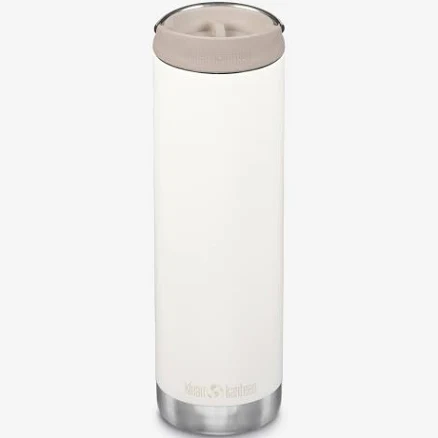
Klean Kanteen
20oz TKWide with Café Cap, Tofu
- Stainless steel bottle, stainless steel cap
- The brand calls it PFAS-free, which we have not verified
- Powder-coat cap degradation over time
3 hazards checked on this product. See all of them.
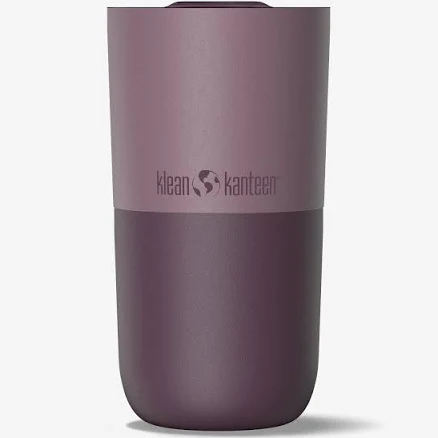
Klean Kanteen
16oz Rise Tumbler
- Stainless steel body, powder-coat finish
- The brand calls it PFAS-free, which we have not verified
- Powder-coat finish degradation
3 hazards checked on this product. See all of them.
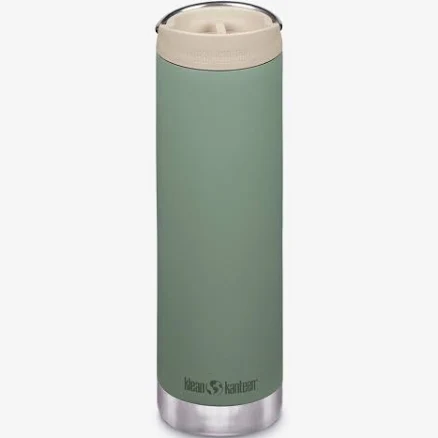
Klean Kanteen
Insulated TKWide Cap
- Stainless steel bottle, plastic cap and silicone gasket
- The brand calls it PFAS-free, which we have not verified
- Silicone gasket degradation and leaching
3 hazards checked on this product. See all of them.
More insulated drink tumblers grades
How we score, every product runs through the same public 0-100 rubric based on materials, coatings, brand disclosure, lab findings, and recalls. See the full methodology → Spotted a mistake? Report an error.