By PFAS Authority · Updated September 23, 2026
Top grades to buy
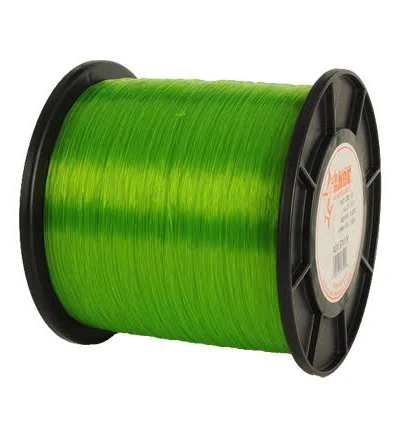
Ande
Monofilament
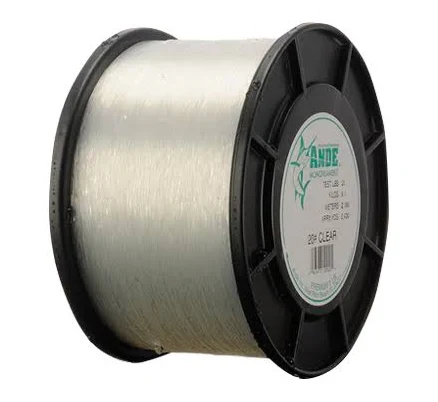
Ande
Premium Monofilament (Bulk) 100LB BY THE YARD
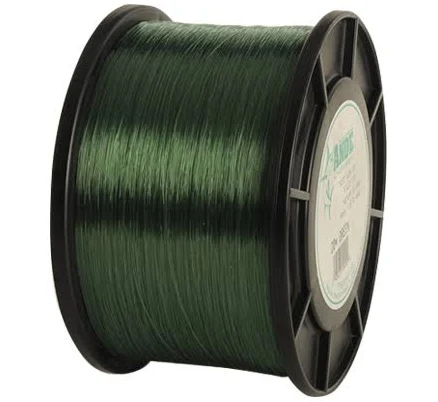
Ande
Premium Green 1/4 Spool
Model-based grades, not lab tests. We flunk more than we pass. How grading works
PFAS in Fishing Line, Where Fluorocarbon Means Exactly What It Says
Fishing line is one of the rare consumer categories where the word "fluorocarbon" is not a marketing flourish but a literal chemistry claim. Fluorocarbon leader and main line is made from polyvinylidene fluoride (PVDF), a fluoropolymer that sits inside the same chemical family regulators use when they define PFAS broadly. Based on available materials and data, there is no graded, lower-concern fluorocarbon fishing line product in our database today, so the honest winner in this guide is not a single SKU. It is a strategy, treat pure fluorocarbon leader as the highest-relevance PFAS material on the water, favor braided or monofilament lines where coatings are disclosed, and use our product finder and the fishing line category page to check any specific line before you spool up.
This guide will not tell you a certain reel of line is "PFAS-free" or "safe," because no independent lab testing of consumer fishing line is publicly available at the depth we require, and brand claims in this category are almost entirely unverified by third parties. What we can do is walk through the material categories honestly, name what each one actually is, flag the brand claims we found, and point you toward the transparency standard that other gear categories, like water filtration and cookware, have already started to meet.
| Line type | PFAS relevance | Verdict |
|---|---|---|
| Pure fluorocarbon leader or main line | High, PVDF is a fluoropolymer | Highest-relevance category, use only where fluorocarbon's low-visibility properties are essential |
| Fluorocarbon-coated braid or monofilament | Moderate, coating thickness and disclosure vary by brand | Read the spec sheet, coated lines are not the same as solid fluorocarbon |
| Standard monofilament (nylon) | Low relevance based on stated composition | Reasonable substitute when fluorocarbon's abrasion resistance isn't required |
| Braided line, no fluorocarbon coating | Low relevance based on stated composition | Our default lower-concern category, confirm no coating claims on packaging |
Fluorocarbon leader and main line, what the name actually means
Materials, brands including Seaguar, P-Line, and Sunline market their leader and main-line products as 100 percent fluorocarbon, made from PVDF resin. Brand claims typically emphasize low visibility underwater, abrasion resistance, and fast sink rate, all properties that come directly from the fluoropolymer backbone.
Brand claims versus verified data, manufacturers describe these products as fluorocarbon without hedging, and that description is accurate as a materials statement. What is not independently verified in the sources we reviewed is any quantified PFAS release or biodegradation data for the finished line under real fishing conditions, such as line breakage, abrasion shedding, or long-term submersion. Based on available materials and data, we treat this category as the one where the fluorocarbon label is doing exactly what it says, which is also why it carries the most PFAS relevance in a tackle box.
Pros, unmatched abrasion resistance and near-invisibility underwater, a genuine performance edge for leader material in clear water or around structure. Cons, it is a fluoropolymer product by definition, lost or broken line persists in aquatic environments, and there is no lower-concern grade to point to in this subcategory today.
Fluorocarbon-coated braid and monofilament
Materials, several lines marketed as "fluoro-coated" or "fluorocarbon-infused" are actually braided or nylon monofilament cores with a thin fluoropolymer coating layered on top, rather than solid PVDF construction. This is a materials distinction worth knowing before you pay a fluorocarbon premium for what is functionally a coated braid.
Brand claims versus verified data, marketing copy for these products often borrows fluorocarbon's reputation for invisibility and durability without disclosing coating thickness or the coating's share of total line mass. None of the packaging language we reviewed cited independent lab verification of coating composition or PFAS content. Pros, often cheaper than solid fluorocarbon while approximating some of its handling characteristics. Cons, the coating disclosure gap makes it hard to judge actual PFAS relevance, and "fluoro-coated" is not the same claim as "100 percent fluorocarbon," even when shelf placement suggests otherwise.
Standard nylon monofilament
Materials, traditional monofilament is extruded nylon, a polymer family unrelated to PFAS chemistry based on stated composition. Brand claims for mainstream monofilament, from brands like Berkley and Stren, focus on stretch, knot strength, and cost, and generally do not invoke fluorocarbon chemistry at all.
Brand claims versus verified data, the absence of a fluorocarbon claim on nylon monofilament packaging is itself a useful signal, since brands are not asserting a fluoropolymer property they would need to substantiate. Based on available materials and data, we treat plain nylon monofilament as lower relevance to PFAS scrutiny than either fluorocarbon or fluoro-coated products, while noting this is a materials-based estimate, not a certified lab result. Pros, widely available, inexpensive, no fluoropolymer coating claims to parse. Cons, more visible underwater, more line memory and stretch than fluorocarbon, so it is a performance trade-off rather than a strict upgrade.
Braided line without fluorocarbon coating
Materials, braided lines are typically woven from ultra-high-molecular-weight polyethylene (UHMWPE) fibers, sold under names like Spectra or Dyneema, with no fluoropolymer content when uncoated. Brand claims versus verified data, manufacturers of plain braid market strength-to-diameter ratio and zero stretch, and again do not typically make fluorocarbon claims, which keeps the PFAS-relevance question simpler than for coated lines.
Pros, high strength, thin diameter, no fluorocarbon coating to evaluate, making it our default lower-concern category among the four based on available materials and data. Cons, highly visible in clear water, can dig into reel spools without a mono or fluorocarbon leader, and buyers still need to confirm "no coating" on the specific spool they choose, since some braided lines are sold in fluoro-coated versions under the same brand name.
What to avoid
Avoid any line marketed as "fluorocarbon" when your priority is minimizing fluoropolymer content, since that label is an accurate materials claim in this category rather than a marketing exaggeration. Avoid "fluoro-coated" or "fluoro-infused" products that don't disclose coating composition or thickness, since the vague phrasing makes it hard to judge how much fluoropolymer is actually on the spool. Avoid assuming a green "eco" or "biodegradable" claim on packaging has been independently verified, brand claims in this category are rarely backed by third-party lab data in the sources we reviewed, so treat them as unverified until proven otherwise. Avoid discounting the disposal problem, regardless of PFAS content, discarded line of any material harms wildlife through entanglement, so proper line recycling matters independent of the PFAS question.
How adjacent, graded categories show what transparency looks like
Fishing tackle lags behind several other product categories where brands have started publishing the kind of materials disclosure that lets us assign a confident, lower-concern grade. In water filtration, for example, the Hydro Flask Epic Water Filters The Answer 2.0 Hydro Flask Water Filter carries our model-based estimate of Excellent, 100 out of 100, built from available materials and public disclosure rather than a lab test we ran ourselves. The same pattern shows up with the LifeStraw Home Glass Water Filter Pitcher and the Soma 25oz Glass Water Bottle, both graded Excellent using the same disclosure-based approach.
Cookware offers a useful contrast too. The Made In 10" Stainless Clad Frying Pan earns an Excellent, 100/100 estimate in our system because its stainless construction sidesteps the nonstick coating question entirely, a materials choice that fishing line, by contrast, cannot make when the whole point of fluorocarbon leader is its fluoropolymer chemistry. Storage and period-care brands show similar transparency, the Klean Kanteen Double Wall Vacuum Insulated Stainless Steel Food Canister and Seventh Generation Tampons both carry Excellent grades built from stated materials, not from vague marketing language.
None of these products are fishing gear, and we are not suggesting they substitute for a graded fluorocarbon line, because no such graded line exists yet in our database. What they demonstrate is the disclosure standard we would need from tackle brands, specific polymer identification, coating thickness where relevant, and ideally third-party testing, before we could assign fishing line the same kind of confident, lower-concern grade these products carry. If you're comparing insulated bottles or filters bought for a day on the water, our insulated travel mugs and general water filter picks follow this same disclosure-first grading approach.
A note on health framing
Some research has linked broader PFAS exposure to health effects including changes in cholesterol levels and immune response, though this research describes an association observed in populations, not a proven cause-and-effect relationship for any single product or exposure pathway, including fishing line. Fishing line is a minor, intermittent contact material for most anglers compared to daily-use items like cookware or drinking water systems, so we'd encourage weighting your overall PFAS exposure reduction efforts toward categories like whole-house filters and non-stick cookware alternatives before worrying heavily about a tackle box.
Our pick
Based on available materials and data, our pick is not a single fluorocarbon product but a hierarchy. Reach for plain braided line or standard nylon monofilament as your lower-relevance default, reserve pure fluorocarbon leader for the specific presentations where its invisibility and abrasion resistance genuinely matter, and treat any "fluoro-coated" claim with skepticism until the brand discloses actual coating composition. No product in this category currently carries a lower-concern grade in our database the way items in cast iron skillets or water filtration do, so check the fishing line category page and run any specific spool through our finder tool before you buy, since our grading data updates as brands publish more disclosure.
Frequently asked questions
Is fluorocarbon fishing line the same thing as PFAS
Fluorocarbon fishing line is made from PVDF, a fluoropolymer that falls within the broad chemical family regulators typically classify as PFAS. Based on available materials and data, this makes fluorocarbon line one of the more directly relevant fishing products for anyone trying to reduce PFAS-related material exposure, though it is not identical to the shorter-chain PFAS compounds most closely studied in drinking water contamination.
Are there graded, lower-concern fishing line products available right now
Not yet in our database. Based on available materials and data, no fishing line product has been assigned a grade comparable to the Excellent ratings we've given items like the Hydro Flask Micro Hydro Mini Bottle or the Soma Sustainable Pitcher, largely because tackle brands haven't published the same level of materials disclosure. Check the fishing line category page periodically as this may change.
Does losing fluorocarbon line in the water cause lasting environmental harm
Lost or broken line of any material, fluorocarbon, monofilament, or braid, can entangle wildlife and persist in aquatic environments for years. Some studies associate fluoropolymer persistence specifically with slower environmental breakdown, though this is described as an association in the literature rather than a fully proven causal timeline for every water condition. Proper disposal and line recycling programs reduce this risk regardless of which material you choose.
Now check your own stuff
See every product we’ve graded in this category, best-graded first.
Get the graded list, free.
The products we score each week, and the best-graded alternative in every category.
No spam. Unsubscribe anytime.