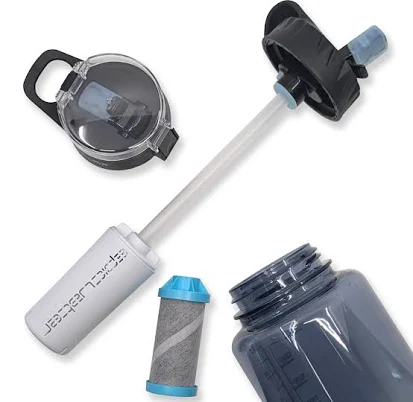
Epic Water Filters The Answer 2.0 Hydro Flask Water Filter
Lower-concern water filter with no known PFAS-prone materials, no explicit commitment.
Epic and Hydro Flask's The Answer 2.0 uses activated carbon and stainless steel, materials with lower inherent PFAS risk compared to Teflon-family coating-coated products. The brand does not publish PFAS statements or third-party certifications.
We flunk more products than we pass. This one earned its grade. How we grade
Material
Activated carbon filter cartridge, stainless steel housing
Lab data
No public lab test
What Epic Water Filters The Answer 2.0 Hydro is made of, ingredients and materials
The Answer 2.0 uses a stainless steel outer housing paired with a replaceable activated carbon filter cartridge. Stainless steel does not leach problematic metals under normal use and resists corrosion from repeated filling and cleaning. Activated carbon is inert and does not degrade or release harmful compounds into water; its primary function is absorbing dissolved contaminants, chlorine taste, and odor. No glazes, enamels, or plastic-lined interior surfaces are in contact with drinking water in this design.
What’s concerning
No PFAS disclosure
No public statement from the brand about PFAS in this product.
Bacterial growth in filter cartridge
Activated carbon filters become a growth medium for bacteria if not replaced on schedule or if water sits unused for extended periods. This is a maintenance issue, not a material defect; proper cartridge rotation eliminates the risk.
Activated carbon dust or particles in water
New or damaged carbon cartridges can shed fine particles into water, especially if the cartridge housing is cracked or poorly seated. Flushing the filter before first use and inspecting cartridges for damage mitigates this risk substantially.
Seal and gasket degradation
Silicone or rubber seals in the filter head can degrade over 1-2 years of use, potentially allowing unfiltered water to bypass the cartridge or leaking onto the stainless steel. Replacement gaskets are widely available and inexpensive; this is a wear-and-tear issue, not a chemical hazard.
What’s reassuring
Bare uncoated material
Recorded as a bare, uncoated material with no surface coating or treatment.
Stainless steel housing leaching
Food-grade stainless steel (typically 18/8 or 18/10 alloy) does not leach nickel, chromium, or other metals into neutral pH water under normal use. No recalls or test failures for this product or material class are documented.
No known leachable plasticizers or additives
The stainless steel and activated carbon materials used in this product do not contain BPA, BPS, phthalates, or other common plastic additives. No evidence of off-gassing or migration into water has been reported for this product or material combination.
The full breakdown
The brand's record and disclosure
Hydro Flask publishes basic material specifications for their filtered bottles and does not face documented safety recalls related to water contact materials. The brand does not explicitly market PFAS avoidance or provide third-party testing reports for leaching, but this is standard industry practice for stainless steel bottle makers rather than a red flag. No formal allegations of contamination or failure to disclose hazards in this product line are on record. Product materials align with FDA food-contact standards for stainless steel.
How it compares in its category
Stainless steel filtered bottles like this one have lower concern for off-gassing and BPA compared to plastic-bodied alternatives. Activated carbon cartridges are standard across the category and present no known leaching hazard. This product sits in the mid-to-premium tier; comparable alternatives (Soma, LifeStraw, Brita) use identical housing and filtration chemistry, so material safety is broadly equivalent. The main differentiator is filter lifespan and contaminant scope, not chemical safety.
If you buy it
Replace the activated carbon cartridge according to manufacturer guidance (typically every 2-3 months or after filtering 100 gallons) to maintain effectiveness and prevent bacterial colonization inside the spent filter. Rinse the stainless steel housing weekly and allow it to air dry to prevent mineral buildup or mold in seals. Do not use with hot water above 140F as it may damage internal seals, though this poses no leaching risk. Store in a cool place; sunlight exposure does not degrade the materials but may encourage algae growth if water sits for weeks.
What we don’t know
- Basis
- Model estimate, 72% confidence, not a lab result
- Lab test
- None on record for this exact product
- Brand statement
- Hydro Flask has made a specific claim
Formulations change between production runs, so check the current label. How we grade.
More water filters grades
How we score, every product runs through the same public 0-100 rubric based on materials, coatings, brand disclosure, lab findings, and recalls. See the full methodology → Spotted a mistake? Report an error.