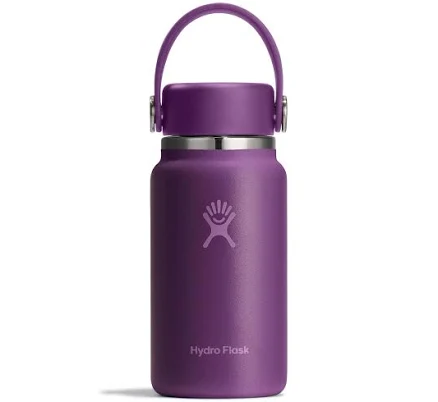
Hydro Flask Micro Hydro Mini Bottle
Lower concern; stainless steel bottle poses minimal PFAS risk, no transparency.
The Hydro Flask Micro uses stainless steel construction, which is inherently low-risk for PFAS. However, Hydro Flask does not publicly disclose PFAS testing or material certifications, and the lid and gaskets remain unconfirmed.
We flunk more products than we pass. This one earned its grade. How we grade
Material
Stainless steel vacuum-insulated double wall
Lab data
No public lab test
What Hydro Flask Micro Hydro Mini Bottle is made of, ingredients and materials
The Hydro Flask Micro uses food-grade 18/8 stainless steel for both inner and outer walls, separated by a vacuum insulation layer. Stainless steel is chemically inert at normal use temperatures and does not leach heavy metals, plasticizers, or fluorinated compounds into liquids. The double-wall vacuum design eliminates contact between contents and any polymer gaskets or adhesives except at the threaded closure and cap seal, which are typically silicone or TPE (thermoplastic elastomer). No ceramic coatings, enamel glazes, or non-stick polymers are present, removing the primary degradation and fume hazards associated with cookware.
What’s concerning
No PFAS disclosure
No public statement from the brand about PFAS in this product.
Silicone/TPE gasket degradation
Cap seals and closure gaskets can degrade or harbor mold growth if not cleaned regularly, particularly in humid storage. No leachables have been documented from Hydro Flask gaskets, but wear and contamination are normal maintenance concerns.
Stainless steel corrosion (cosmetic)
Prolonged contact with highly acidic or salty solutions may cause surface discoloration or minor pitting, especially on seams and threads. This is aesthetic rather than a safety hazard and does not release harmful ions into liquid.
Vacuum seal failure over time
Impact damage, extended dishwasher use, or normal aging can compromise the vacuum layer, reducing insulation but not creating a contamination pathway. A failed seal does not render the bottle unsafe, only less thermally efficient.
What’s reassuring
Bare uncoated material
Recorded as a bare, uncoated material with no surface coating or treatment.
Heavy metals
18/8 stainless steel (304 grade) is approved for food contact and does not leach nickel, chromium, or iron at normal use pH and temperature. No recalls or lab testing has identified leaching in Hydro Flask products.
Source, FDA ↗Microplastics
Vacuum-insulated stainless steel bottles do not use foamed plastic insulation that can shed particles. Silicone gaskets do not fragment under normal use conditions.
Source, EPA ↗The full breakdown
The brand's record and disclosure
Hydro Flask has not published detailed material safety data sheets or third-party certifications (e.g., NSF, FDA compliance statements) specific to this bottle, which limits independent verification. The company does not publicly address PFAS policy or manufacturing transparency, a notable gap given industry scrutiny of insulation materials and gasket compounds. No safety recalls related to this product line are on record with the Consumer Product Safety Commission. The brand's silence on chemical disclosure is a weakness but does not indicate a known safety failure.
How it compares in its category
Stainless steel vacuum bottles have lower concern regarding leaching risks compared to plastic and the degradation risks of coated aluminum. Hydro Flask's market position and premium pricing reflect established brand trust, though many competitors (Klean Kanteen, S'well, YETI) also use 18/8 stainless steel with similar hazard profiles. Unlike filtered water pitchers or active filtration systems, this bottle contains no filter media, cartridge replacement cycles, or bacterial growth zones, simplifying maintenance and contamination risk. Performance and durability are comparable to mid-range stainless steel competitors, with no documented material weakness unique to this model.
If you buy it
Hand-wash the bottle and cap after each use; dishwasher exposure is acceptable but repeated high-heat cycles may stress the vacuum seal over 5-10 years. Do not store acidic liquids (citrus, vinegar) for extended periods, as stainless steel can develop surface corrosion under specific conditions, though this is cosmetic rather than toxic. Replace the silicone gasket if it becomes visibly degraded, cracked, or develops mold (typically 2-3 years of daily use). Avoid dropping or denting the outer wall, which can compromise the vacuum seal and insulation; a dented bottle may lose thermal properties.
What we don’t know
- Basis
- Model estimate, 75% confidence, not a lab result
- Lab test
- None on record for this exact product
- Brand statement
- Hydro Flask has made a specific claim
Formulations change between production runs, so check the current label. How we grade.
More water filters grades
How we score, every product runs through the same public 0-100 rubric based on materials, coatings, brand disclosure, lab findings, and recalls. See the full methodology → Spotted a mistake? Report an error.