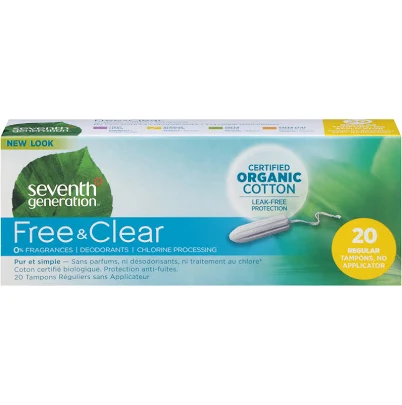
Seventh Generation Regular Tampons
Lower concern, though brand opacity limits full confidence.
Seventh Generation Regular Tampons use bleached rayon and cotton that don't require PFAS-based water repellents. The brand does not disclose PFAS-avoidance efforts or provide independent lab testing.
We flunk more products than we pass. This one earned its grade. How we grade
Material
rayon/viscose (bleached), cotton applicator
Lab data
No public lab test
You may also be interested in
Top-graded picks in the categories readers replace first, every one scored on the same rubric.

- polypropylene filter housing, carbon/sediment cartridge
- We found no PFAS statement from the brand
- Bacterial growth in spent cartridges
3 hazards checked on this product, all on its full breakdown.

Aquasure
Premier Series 75 GPD Under Sink Reverse Osmosis Water Filtration System
- RO membrane, carbon filters, stainless steel housing
- We found no PFAS statement from the brand
- Bacterial and microbial growth in housing and filters
4 hazards checked on this product, all on its full breakdown.

Avocado
Vegan Mattress
- organic cotton, natural latex, coconut coir, recycled steel coils
- The brand calls it PFAS-free, which we have not verified
- Heavy metals
2 hazards checked on this product, all on its full breakdown.
What Seventh Generation Regular Tampons is made of, ingredients and materials
These tampons use viscose (regenerated cellulose) as the core absorbent material, which is bleached during manufacturing. The applicator is cardboard-wrapped cotton. Viscose is derived from wood pulp treated with sodium hydroxide and carbon disulfide; the bleaching step historically used chlorine, though modern processes have shifted toward oxygen-based alternatives. Rayon/viscose itself is not inherently toxic once the garment or product reaches the consumer, but the manufacturing process carries occupational and environmental concerns that don't directly affect the end user's safety.
What’s concerning
Category baseline
The starting point for this type of product, before anything specific to this product is counted.
No PFAS disclosure
No public statement from the brand about PFAS in this product.
Dioxins from bleaching (historical concern)
Chlorine bleaching of rayon can theoretically produce trace dioxins; Seventh Generation markets 'chlorine-free' bleached products, suggesting oxygen-based bleaching. No dioxin testing results are publicly available for this product. Modern bleaching practices in developed manufacturing have substantially reduced dioxin risk compared to 1980s-1990s production.
Bacterial or fungal contamination during storage or manufacturing
Tampons are sterile-packaged single-use products; contamination risk is low if packaging is intact and storage conditions are dry. No recalls for microbial contamination of Seventh Generation tampons are on record. Risk increases only if packaging is damaged or tampons are stored in humid environments before use.
What’s reassuring
Base material not linked to PFAS
The main material recorded for this product is not one associated with PFAS.
Residual sodium hydroxide or carbon disulfide (viscose processing)
These chemicals are used to dissolve wood pulp during viscose fiber creation but are largely removed and recovered in closed-loop manufacturing. No residual exposure to the consumer is documented or expected from finished tampons. Occupational exposure during manufacturing is the primary concern, not product use.
Rayon fiber shedding or microfiber retention
Viscose rayon fibers can shed or fragment during use; no evidence of clinically significant microfiber lodgment or inflammation in vaginal tissue from tampon use is documented. This remains a theoretical concern without established harm in published literature.
Allergic sensitization to fragrance or additives (if scented variants)
Seventh Generation Regular Tampons are unscented; fragranced tampons in general carry low documented sensitization risk but are not recommended by gynecologists. This product avoids that hazard category entirely.
How is this PFAS grade calculated?
The brand's record and disclosure
Seventh Generation publishes ingredient lists for tampons more transparently than many competitors and markets itself as chlorine-free bleached. The brand does not independently certify its tampons as organic (unlike some premium alternatives) and maintains limited third-party testing data in the public domain. No recalls or safety incidents involving this product line are on record. The brand's silence on PFAS testing is consistent with the industry baseline; most tampon manufacturers do not disclose PFAS testing, though the fibrous nature of tampons makes intentional PFAS treatment unnecessary.
How it compares in its category
Standard rayon-based tampons dominate the market and carry the same chemistry profile as Seventh Generation's offering. Organic cotton alternatives (100% cotton or cotton-rayon blends) command premium pricing with marginal safety difference for typical users. Fully synthetic polymer tampons (rare) would pose different trade-offs. Seventh Generation's positioning, chlorine-free bleached viscose at mainstream price, represents a middle ground between conventional bleached rayon and certified organic cotton options.
If you buy it
Use as directed; tampons are single-use internal menstrual products and require no special maintenance. Replace every 4-8 hours to reduce toxic shock syndrome risk, regardless of brand. Store in cool, dry conditions; moisture exposure can promote mold or bacterial growth before use. No heating, microwaving, or reuse. Discontinue and consult a healthcare provider if you experience irritation, unusual odor, or symptoms of infection.
What is not known about PFAS in this product?
- Basis
- Model estimate, 72% confidence, not a lab result
- Lab test
- None on record for this exact product
- Brand statement
- Seventh Generation has made a specific claim
Formulations change between production runs, so check the current label. How we grade.
What are the PFAS-free alternatives to Seventh Generation Regular Tampons?
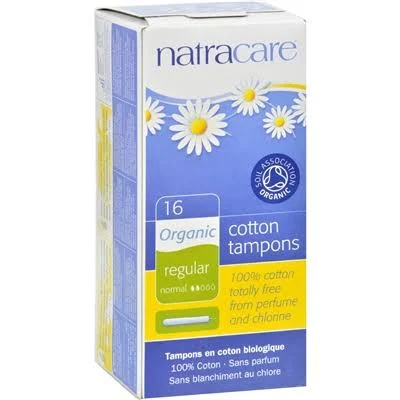
- 100% organic cotton
- A third party reports verifying it as PFAS-free
- Heavy metals
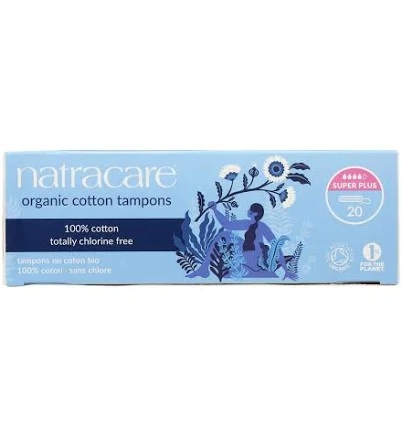
Natracare
Organic Super Plus Tampons, 3 x 20 ct
- organic cotton, cardboard applicator
- The brand calls it PFAS-free, which we have not verified
- Dioxins from bleaching
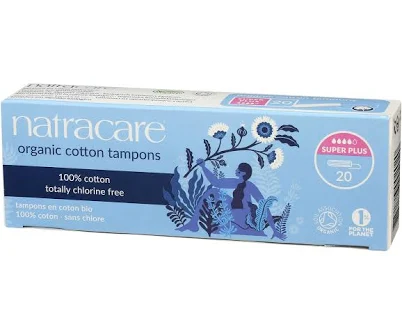
Natracare
Organic Cotton Super Plus Tampons
- organic cotton, no added fluorochemicals
- The brand calls it PFAS-free, which we have not verified
- Verified PFAS-free by a third party
More tampons grades
How we score, every product runs through the same public 0-100 rubric based on materials, coatings, brand disclosure, lab findings, and recalls. See the full methodology → Spotted a mistake? Report an error.