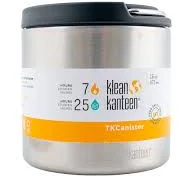
Klean Kanteen Double Wall Vacuum Insulated Stainless Steel Food Canister Container with Leak Proof Lid
Brand PFAS statement on record, which we have not verified.
Klean Kanteen describes its bottles as BPA, PFAS and lead-free. We record that as an unverified brand claim.
Brand says: “Klean Kanteen describes its bottles as BPA, PFAS and lead-free.”
We flunk more products than we pass. This one earned its grade. How we grade
Material
Stainless steel body, silicone gasket lid seal
Brand disclosure
Brand claims PFAS-free
Lab data
No public lab test
You may also be interested in
Top-graded picks in the categories readers replace first, every one scored on the same rubric.

- polypropylene filter housing, carbon/sediment cartridge
- We found no PFAS statement from the brand
- Bacterial growth in spent cartridges
3 hazards checked on this product, all on its full breakdown.

Aquasure
Premier Series 75 GPD Under Sink Reverse Osmosis Water Filtration System
- RO membrane, carbon filters, stainless steel housing
- We found no PFAS statement from the brand
- Bacterial and microbial growth in housing and filters
4 hazards checked on this product, all on its full breakdown.

Avocado
Vegan Mattress
- organic cotton, natural latex, coconut coir, recycled steel coils
- The brand calls it PFAS-free, which we have not verified
- Heavy metals
2 hazards checked on this product, all on its full breakdown.
What Klean Kanteen Double Wall Leak Proof Lid is made of, ingredients and materials
The food-contact surfaces are 18/8 stainless steel (chromium-nickel alloy), which is chemically inert and does not leach metals or migrate compounds into food under normal use. The lid seal is silicone, a synthetic rubber that is stable across typical food storage temperatures and does not contain BPA, phthalates, or known endocrine disruptors. Stainless steel has no coating to degrade; the material itself provides corrosion resistance and durability. The double-wall vacuum design eliminates direct contact between the inner and outer surfaces, reducing any pathway for material migration.
What’s concerning
Category baseline
The starting point for this type of product, before anything specific to this product is counted.
Silicone gasket degradation
Silicone gaskets can degrade or absorb food odors over years of use, especially if exposed to oils or high heat in a dishwasher. Replacement gaskets are typically available; this is a durability issue rather than acute safety risk.
Bacterial growth in vacuum seal
If the leak-proof seal is damaged or gasket degrades, moisture can trap inside the double-wall cavity, creating potential for mold or bacterial growth. Regular inspection and hand-washing reduce this risk significantly.
Surface corrosion under acidic conditions
Although 18/8 is corrosion-resistant, prolonged contact with acidic foods (lemon juice, vinegar, kombucha) can rarely cause minor pitting over months or years. This is aesthetic rather than toxic but reduces container lifespan.
What’s reassuring
Brand-stated PFAS-free
The brand states this product is PFAS-free. We have not verified the claim.
Bare uncoated material
Recorded as a bare, uncoated material with no surface coating or treatment.
Stainless steel composition (18/8 leaching)
18/8 chromium-nickel stainless steel does not leach chromium or nickel into food under normal use or storage conditions. No recalls or health complaints on record for this product or Klean Kanteen's stainless containers.
Adhesive or sealant in lid assembly
No public information on adhesive chemistry in the lid assembly for this model. If any adhesive is used to bond the gasket or lid components, it is not documented as a VOC or formaldehyde source; standard practice in food-grade containers is minimal adhesive exposure to food.
How is this PFAS grade calculated?
The brand's record and disclosure
Klean Kanteen has explicitly committed to PFAS-free manufacturing and markets this product under that stance, though we have not independently verified lab results. The brand is known for transparency around material sourcing and has no major safety recalls or regulatory actions documented for this product line. Their manufacturing claims align with industry best practices for stainless steel food containers, though third-party certification (e.g., NSF, BPA-free certification) is not universally documented across all SKUs.
How it compares in its category
This product avoids three common hazards in food containers, plastic-based migration risks, non-stick coatings (which can off-gas Teflon-type coating), and epoxy or polyester internal linings. Most cheaper stainless steel containers match this safety profile; however, lower-cost alternatives sometimes use 304 stainless instead of 18/8, which can rarely pit under acidic conditions. Klean Kanteen's vacuum-insulated design is typical of mid-to-premium products and does not introduce additional chemical risks compared to single-wall stainless alternatives.
If you buy it
Hand wash rather than dishwasher to extend the integrity of the silicone gasket and avoid high-temperature stress on any adhesives in the lid assembly. Do not leave acidic foods (vinegar, citrus, tomato) in the container for extended periods, as even 18/8 stainless can develop minor surface corrosion over years of contact. Replace the silicone gasket if it shows cracks, cloudiness, or loss of grip; this is the only wear component. The container is suitable for use from freezer to warm (not boiling) food; do not expose to direct flame or extreme thermal shock.
What is not known about PFAS in this product?
- Basis
- Model estimate, 82% confidence, not a lab result
- Lab test
- None on record for this exact product
- Brand statement
- Klean Kanteen has made a specific claim
Formulations change between production runs, so check the current label. How we grade.
More lunch boxes grades
How we score, every product runs through the same public 0-100 rubric based on materials, coatings, brand disclosure, lab findings, and recalls. See the full methodology → Spotted a mistake? Report an error.