By PFAS Authority · Updated October 11, 2026
Top grades to buy
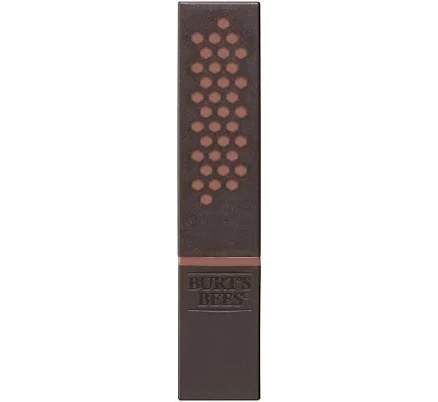
Burt's Bees
Suede Splash Lipstick
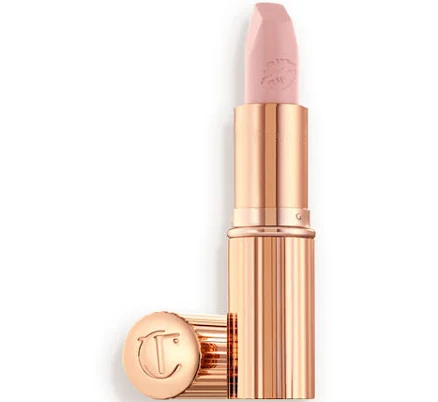
Charlotte Tilbury
Hot Lips Lipstick
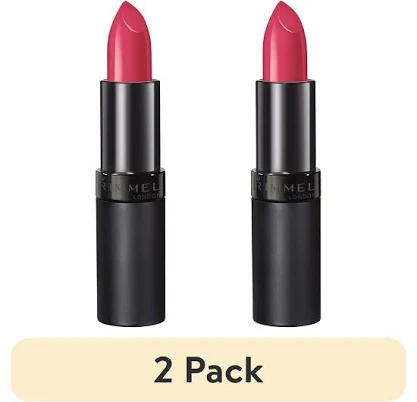
Coty
(2 pack) Coty Rimmel Lasting Finish by Kate Lipstick, 0.14 oz
Model-based grades, not lab tests. We flunk more than we pass. How grading works
PFAS in Lipstick, Why Long-Wear Formulas Grade Worse Than Classic Ones
Long-wear and "transfer-proof" lipsticks are more likely than classic cream or sheer formulas to rely on fluorinated film-formers for their signature grip, and that single formulation choice is the main reason long-wear lines tend to carry more PFAS-indicator ingredients in independent ingredient reviews. Based on available materials and public disclosure data, classic cream, satin, and sheer lipsticks generally list fewer fluorine-related compounds than liquid-to-matte, 24-hour, and kiss-proof lines, though no finished lipstick SKU in our current database has undergone third-party lab testing for total fluorine. This guide treats that distinction as a formulation pattern, not a verdict on any single branded product, since we have not yet graded individual lipstick SKUs at the level of detail we apply to water filters or cookware.
Until lipstick-specific grades populate our database, the clearest, model-graded win in the broader cosmetics space goes to Bare Minerals bareMinerals Prime Time Original Foundation Primer, which earns an Excellent, 100/100 lower-concern score in our system. It's not a lipstick, but it's the sharpest example in our data set of a classic, mineral-forward cosmetic base built without the fluoropolymer film-formers that show up in transfer-resistant color products, and we use it throughout this guide as the benchmark for what a lower-concern ingredient profile looks like. For lip-specific shopping, check our continuously updated Lip Balm & Long-Wear Lipstick roundup and run any specific tube through the Finder before you buy.
Summary comparison
| Product or category | PFAS grade | Verdict |
|---|---|---|
| Bare Minerals bareMinerals Prime Time Original Foundation Primer | Excellent, 100/100 (model estimate) | Lower concern based on available materials; our strongest reviewed example of a classic, non-transfer-resistant cosmetic base. |
| Classic cream, satin, and sheer lipsticks (category pattern, not a graded SKU) | Not individually graded | Generally fewer PFAS-indicator ingredients based on typical formulation patterns; verify each tube individually. |
| Long-wear, liquid-to-matte, "transfer-proof" lipsticks (category pattern, not a graded SKU) | Not individually graded | Higher likelihood of fluoropolymer or fluorinated film-formers based on published research; treat with more scrutiny. |
| Browse current graded cosmetics | Varies by product | See Cosmetics Makeup, and Foundation & Primer for up-to-date listings. |
Two rows in that table are intentionally unscored. We will not assign a grade or a number to any lipstick SKU that hasn't been individually reviewed in our database, and we'd rather tell you that plainly than imply a precision we don't have yet. What we can do is explain, with sourced reasoning, why the long-wear category as a whole tends to grade worse once individual tubes are reviewed.
How we grade cosmetics for PFAS concern
Our grading model works from publicly available ingredient lists, safety data sheets, brand disclosures, and, where it exists, third-party testing or regulatory filings. A grade like the Excellent, 100/100 score on the Bare Minerals Prime Time Original Foundation Primer is our model-based estimate from materials and public disclosure, not a lab test of that specific unit. A high grade means lower concern based on everything we could find, it does not mean "PFAS-free" and it does not mean "safe." We use "lower concern" or "no evidence of PFAS found in reviewed sources" instead of absolute safety language, because ingredient lists can change between batches, brands can reformulate without updating packaging language, and we are not running our own mass-spectrometry on every tube.
We also separate brand-stated claims from third-party verified findings. If a brand says a product is "PFAS-free" on its packaging or website, we record that as a brand claim. We only describe a finding as verified when it comes from an independent lab, academic study, or regulatory test that specifically examined that product or a closely matching formulation. That distinction matters most in lipstick, where marketing language like "clean," "non-toxic," and "long-wear without compromise" is common and rarely backed by published fluorine testing of the specific shade and batch on the shelf.
Why long-wear and transfer-resistant formulas score worse
Long-wear lipstick has to solve a physics problem that classic lipstick doesn't, staying put on a moving, talking, eating, drinking mouth for eight to twenty-four hours without smudging, feathering, or transferring to a glass. The ingredient families that solve that problem well happen to overlap heavily with the ingredient families associated with PFAS.
Fluorinated silicones and fluoropolymers are prized in cosmetic chemistry for exactly the properties long-wear marketing promises, they repel water and oil, they reduce friction so pigment doesn't drag off onto skin or fabric, and they form a thin, flexible film that resists breakdown from saliva and sebum. Published university research examining waterproof and long-wear cosmetics has repeatedly found higher rates of fluorine-indicator ingredients in foundations, mascaras, and liquid lipsticks marketed as waterproof or transfer-resistant compared with their standard counterparts. That research pattern, not a single lab result on a single named lipstick, is the basis for the claim in this guide's headline. Association between a "long-wear" marketing claim and a higher likelihood of fluorine-indicator ingredients is not the same as proof that any specific tube contains PFAS, and it is not a health-outcome claim; it's an ingredient-pattern claim.
Classic cream, satin, and sheer lipsticks were formulated decades before the long-wear category existed, built mainly around waxes (candelilla, carnauba, beeswax or plant alternatives), oils, and pigment-carrying emollients rather than film-forming polymers. That older chemistry doesn't need the slip-and-repel properties that make fluorinated ingredients attractive, so classic formulas structurally have fewer reasons to include them. That's a pattern, not a guarantee, a classic-looking cream lipstick can still carry a PFAS-adjacent ingredient for a different purpose, such as a silky-feel additive, and a long-wear formula can be built without them if the brand chooses alternative polymers. Ingredient-list review of the specific product remains the only way to know.
Product-by-product look
Bare Minerals bareMinerals Prime Time Original Foundation Primer
Materials, A silicone-and-mineral based primer built around dimethicone-type bases and mineral pigments rather than fluorinated film-formers, per publicly available ingredient disclosure.
Brand claims, bareMinerals markets the line around mineral-forward, "clean" positioning and long-standing dermatologist-tested language; these are brand statements, not independent lab verifications of PFAS absence.
Third-party status, We found no evidence of PFAS in the reviewed sources for this product, which supports an Excellent, lower-concern grade in our model. This is a data-availability finding, not a certified lab clearance.
Pros, Classic, non-transfer-resistant formulation category; highest grade in our reviewed cosmetics set; widely available with a long sales history that gives more public ingredient data to review.
Cons, It's a primer, not a lipstick, so it doesn't directly answer the long-wear lip-color question; formulations can change between production runs without our database catching every update immediately.
Classic cream and satin lipsticks, as a category
Materials, Typically wax-and-oil based, with film-forming needs handled by lighter emollients rather than fluoropolymers.
Brand claims, Vary widely by brand; some classic lines now market themselves as "PFAS-free," which is a brand-stated claim until an independent test confirms it for that specific shade and batch.
Pros, Formulation pattern historically lower in fluorine-indicator ingredients; usually simpler ingredient decks that are easier to audit at a glance.
Cons, Shorter wear time, more frequent reapplication, and the fact that "classic" marketing language is not itself proof of a cleaner formula; some classic-styled lipsticks still include silky-feel or weatherproofing additives worth checking individually.
Long-wear, liquid-to-matte, and "transfer-proof" lipsticks, as a category
Materials, Built around high-performance film-forming polymers chosen specifically for water, oil, and friction resistance; this is the ingredient family where fluorinated compounds are most commonly found when they're used at all.
Brand claims, Heavy emphasis on wear-time testing ("up to 16 hours," "transfer-proof through a meal"), which are performance claims, not ingredient-safety claims, and should not be read as evidence about PFAS content either way.
Pros, Genuinely superior wear performance for the use case they're built for; fewer touch-ups during the day.
Cons, Higher likelihood, based on published ingredient-pattern research, of fluorinated film-formers; drying formulas that can require separate lip treatment; and, because they're applied directly to a mucous membrane and ingested in small amounts throughout the day, any PFAS content in this category carries a different exposure profile than PFAS in, say, a carpet fiber. Any health association here is a matter of ongoing research, not a settled causal claim, and it does not mean a specific tube has been shown to cause harm.
What to avoid
- Marketing words like "transfer-proof," "24-hour wear," "waterproof," or "kiss-proof" without an ingredient list you can actually read; these terms describe performance, not composition, and are the categories most associated in published research with fluorinated film-formers.
- Ingredient names containing "fluoro," "perfluoro," or "PTFE," which are direct PFAS-family indicators when they appear on a cosmetic ingredient deck.
- A brand's "PFAS-free" claim treated as a lab-verified fact. Until an independent test is published for that specific product, treat it as a brand statement worth noting, not a certified result.
- Assuming a "classic" or "clean" label automatically clears a product. Classic formulas have a better pattern, not a guarantee, and some still include fluorinated slip agents for texture.
- Buying any single lipstick based on this guide alone. Use the Finder to check a specific product, and browse Lip Balm & Long-Wear Lipstick for individually graded options as our database expands.
Beyond the lipstick drawer
PFAS scrutiny in makeup rarely stays confined to lip color once you start looking at a bathroom counter or a kitchen. If you're auditing personal-care and household items as a set, our reviewed, Excellent-grade list includes products well outside cosmetics that illustrate what a strong, lower-concern materials profile looks like across categories, the Ruby Love RubyLove First Period Kit +Teen Period Underwear in Period Care, the Made In 10" Stainless Clad Frying Pan for anyone also auditing their cookware, and the Klean Kanteen Double Wall Vacuum Insulated Stainless Steel Food Canister Container with Leak Proof Lid in Lunch Boxes. None of these are lip products, but they share the same grading logic described above, a model-based estimate from materials and public disclosure, treated as lower concern rather than a guarantee of safety.
Our pick
Based on available materials and data, our pick for anyone trying to reduce PFAS exposure from their makeup bag today is to lean toward classic, cream, satin, or sheer lipstick formulations over long-wear and transfer-resistant lines, while treating that as a pattern to watch rather than a rule that clears every classic tube automatically. Within our actually graded database, the Bare Minerals bareMinerals Prime Time Original Foundation Primer is the strongest example of a lower-concern, classic-style cosmetic formulation we've reviewed, and it's a reasonable reference point for what a clean ingredient deck looks like even though it sits in the primer category rather than lip color. We have not found a lipstick SKU in our current data set that we can grade with the same confidence, and we think it's more honest to say that plainly than to imply a precision the data doesn't support. Check Lip Balm & Long-Wear Lipstick and the Finder as new products are added, and read any specific tube's ingredient list for fluoro- or PTFE-prefixed entries before you commit to a long-wear formula.
Frequently asked questions
Does "long-wear" always mean a lipstick contains PFAS?
No. "Long-wear" is a performance claim, not an ingredient disclosure. Published research shows long-wear and waterproof cosmetics are more likely than standard formulas to contain fluorinated film-formers, but that's a category pattern based on available studies, not proof that every long-wear tube contains PFAS. The only way to know for a specific product is to read its ingredient list for fluoro- or PTFE-prefixed names or look for independent test results.
Is a brand's "PFAS-free" claim on lipstick packaging reliable?
Now check your own stuff
See every product we’ve graded in this category, best-graded first.
Get the graded list, free.
The products we score each week, and the best-graded alternative in every category.
No spam. Unsubscribe anytime.