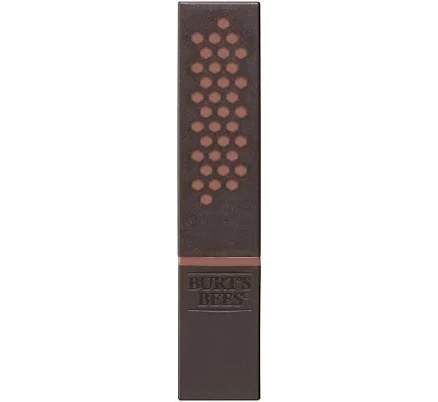
Burt's Bees Suede Splash Lipstick
Lower risk for standard lipstick formula with no known PFAS trigger materials.
This wax-based lipstick has no waterproofing, nonstick coatings, or water-repellent treatments, which are the main PFAS vectors in cosmetics. Burt's Bees makes no PFAS statement either way, which is standard for traditional formulas.
We flunk more products than we pass. This one earned its grade. How we grade
Material
Wax, oils, pigments, beeswax base
Lab data
No public lab test
You may also be interested in
Top-graded picks in the categories readers replace first, every one scored on the same rubric.

- polypropylene filter housing, carbon/sediment cartridge
- We found no PFAS statement from the brand
- Bacterial growth in spent cartridges
3 hazards checked on this product, all on its full breakdown.

Aquasure
Premier Series 75 GPD Under Sink Reverse Osmosis Water Filtration System
- RO membrane, carbon filters, stainless steel housing
- We found no PFAS statement from the brand
- Bacterial and microbial growth in housing and filters
4 hazards checked on this product, all on its full breakdown.

Avocado
Vegan Mattress
- organic cotton, natural latex, coconut coir, recycled steel coils
- The brand calls it PFAS-free, which we have not verified
- Heavy metals
2 hazards checked on this product, all on its full breakdown.
What Burt's Bees Suede Splash Lipstick is made of, ingredients and materials
Suede Splash is formulated around beeswax, plant oils, and synthetic colorants typical of modern lipsticks. Beeswax provides occlusion and texture without the toxicological baggage of some synthetic polymers. The wax matrix is stable under normal lip-temperature conditions and does not volatilize or degrade into concerning byproducts during storage or use. Oil bases (often jojoba, castor, or similar) are chemically inert and well-tolerated dermatologically.
What’s concerning
Category baseline
The starting point for this type of product, before anything specific to this product is counted.
No PFAS disclosure
No public statement from the brand about PFAS in this product.
Fragrance allergens (essential oils, fragrance compounds)
Burt's Bees formulas typically include beeswax fragrance and botanicals; the brand does not list fragrance components beyond 'flavor' or 'fragrance.' Sensitive individuals may react to undisclosed essential oils or natural extracts, though severe adverse events are not documented.
Oil rancidity and skin irritation over time
Natural oils in the formula may oxidize after 12-18 months of storage, potentially causing minor skin irritation or grittiness. This is not a formulation defect but a natural aging process of plant-based cosmetics without added synthetic antioxidants.
What’s reassuring
Base material not linked to PFAS
The main material recorded for this product is not one associated with PFAS.
Heavy metals
Burt's Bees lipsticks use standard FDA-approved colorants and have not been flagged in third-party heavy-metal testing reports. Pigment sourcing is not publicly transparent, but no recalls or violations on record for lead, cadmium, or arsenic.
Source, FDA ↗Formaldehyde / VOCs
Lipsticks require minimal water content and thus minimal preservative load. Burt's Bees does not list formaldehyde donors (DMDM hydantoin, imidazolidinyl urea) in disclosed ingredient lists, and no complaints or recalls indicate this is a concern.
Source, ATSDR ↗Microplastic shedding or accumulation
Beeswax-and-oil formulas do not shed microplastics as a mechanism. This hazard applies to silicone polymers or plastic-polymer matrices, which are absent in this product's known composition.
How is this PFAS grade calculated?
The brand's record and disclosure
Burt's Bees maintains a long marketing position around natural ingredients and has published ingredient lists transparently for years. The brand has not faced major FDA enforcement actions or recalls tied to heavy metals, carcinogens, or formaldehyde releasers in lipstick. However, the brand does not proactively disclose PFAS testing or third-party cosmetic safety audits, which is typical of the mass-market natural cosmetics space rather than a red flag specific to this product.
How it compares in its category
Burt's Bees lipsticks sit in the mid-market natural/clean beauty segment, avoiding ultra-cheap formulas that sometimes cut corners on pigment sourcing or use legacy synthetic dyes with contamination risk. They also avoid prestige brands that may use exotic waxes without scrutiny. The wax-based approach presents lower concern than some silicone-heavy or long-wear plastic-polymer formulas that carry microplastic shedding or volatile-release concerns.
If you buy it
Store at room temperature (below 30 C ideally) to prevent wax warping or oil separation. Replace every 12-18 months or if the texture becomes grainy or separated, as oxidation of oils can occur over time. Do not heat the product (e.g., leaving in direct sun or hot car) as wax softening may degrade the formula. If you have a history of lip irritation, patch-test or review the full ingredient list for specific fragrance or essential oil sensitivities.
What is not known about PFAS in this product?
- Basis
- Model estimate, 78% confidence, not a lab result
- Lab test
- None on record for this exact product
- Brand statement
- Burt's Bees has made a specific claim
Formulations change between production runs, so check the current label. How we grade.
More lipstick grades
How we score, every product runs through the same public 0-100 rubric based on materials, coatings, brand disclosure, lab findings, and recalls. See the full methodology → Spotted a mistake? Report an error.