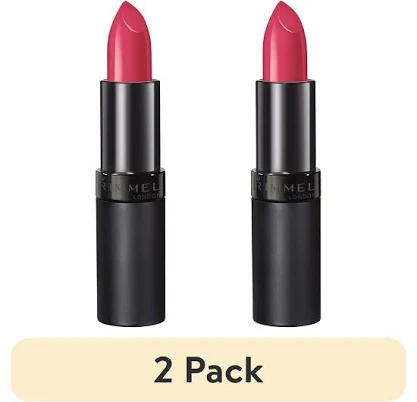
(2 pack) Coty Rimmel Lasting Finish by Kate Lipstick, 0.14 oz
Lower PFAS concern. Typical lipstick formula unlikely to contain PFAS.
Rimmel lipsticks use standard cosmetic waxes and pigments with no disclosed PFAS. No public lab data or brand statement exists either way.
We flunk more products than we pass. This one earned its grade. How we grade
Material
pigments, waxes, oils in lipstick base
Brand disclosure
Brand is silent on PFAS
Lab data
No public lab test
You may also be interested in
Top-graded picks in the categories readers replace first, every one scored on the same rubric.

Aqua Pure
3M Aqua-Pure AP802B Whole House Filter Housing
- polypropylene filter housing, carbon/sediment cartridge
- We found no PFAS statement from the brand
- Bacterial growth in spent cartridges
3 hazards checked on this product. See all of them.

Aquasure
Premier Series 75 GPD Under Sink Reverse Osmosis Water Filtration System
- RO membrane, carbon filters, stainless steel housing
- We found no PFAS statement from the brand
- Bacterial and microbial growth in housing and filters
4 hazards checked on this product. See all of them.

Avocado
Vegan Mattress
- organic cotton, natural latex, coconut coir, recycled steel coils
- The brand calls it PFAS-free, which we have not verified
- Heavy metals
2 hazards checked on this product. See all of them.
What (2 pack) Coty Rimmel Lasting Finish is made of, ingredients and materials
Rimmel Lasting Finish lipsticks are oil-wax emulsions with iron oxides, mica, and synthetic colorants as primary pigments. The formulation is designed for long wear, meaning higher wax and film-forming polymer content to reduce transfer. Lipsticks are rinse-off products with low systemic absorption through oral mucosa, so ingredient toxicity thresholds are less critical than for leave-on products like foundation or blush, though pigment purity and microcontaminant levels still matter.
What’s concerning
Category baseline
The starting point for this type of product, before anything specific to this product is counted.
No PFAS disclosure
No public statement from the brand about PFAS in this product.
Formaldehyde / VOCs
Rimmel does not publicly list preservative systems or disclose whether quaternium-15, DMDM hydantoin, or other formaldehyde-releasing agents are used. These are permitted in lipsticks at trace levels; risk is minimal with rinse-off use but possible if product is left on lips for extended periods or if user has formaldehyde sensitivity.
Source, ATSDR ↗Fragrance allergens and sensitizers
Rimmel Lasting Finish typically includes fragrance (not always disclosed ingredient-by-ingredient to consumers). Fragrance can include undisclosed allergens like limonene or eugenol; risk is low for patch testing but higher for users with known fragrance sensitivities or atopic conditions.
Pigment migration or staining into lip tissue over time
Long-wear formulas with high pigment load may cause temporary staining or deposit discoloration on lips with repeated use, particularly reds and dark shades. This is cosmetic rather than toxic but worth knowing; not a safety hazard in the toxicological sense.
What’s reassuring
Base material not linked to PFAS
The main material recorded for this product is not one associated with PFAS.
Lead
No recalls or independent testing results on record for Rimmel Lasting Finish. FDA-approved colorants used in lipsticks are regulated for lead and cadmium content, though limits are higher than in cosmetics like eyeshadow because lipstick is lower-ingestion risk.
Source, ATSDR ↗Microplastics
Rimmel Lasting Finish likely contains acrylate copolymer or similar film-formers for wear; these are soluble and not microplastics per se. No established evidence that lipstick polymers fragment into persistent microplastics or accumulate systemically through oral use.
Source, EPA ↗The full breakdown
The brand's record and disclosure
Coty does not publicly disclose full ingredient sourcing, heavy-metal testing results, or third-party safety certifications for Rimmel products. The brand has not faced major lipstick-specific safety recalls in the US or EU in recent years. Coty is a large conglomerate manufacturer with inconsistent sustainability and safety transparency; Rimmel itself occupies the mass-market budget tier and is not marketed as hypoallergenic, clean, or dermatologist-tested, signaling less rigorous ingredient vetting than prestige lines.
How it compares in its category
Rimmel sits in the mainstream budget category, offering performance and price over ingredient transparency. Compared to indie or clean brands, it lacks third-party heavy-metal or formaldehyde testing claims. Compared to drugstore staples like Maybelline or L'Oreal (same parent company), Rimmel's safety profile is broadly similar; all three rely on standard FDA-compliant colorant and preservative lists without going beyond regulatory minimums. Performance-focused lipsticks across this tier typically have similar wax and polymer loads.
If you buy it
Apply only to lips; do not leave on overnight or use if swallowed accidentally in large amounts without rinsing. Replace every 12-24 months or if smell changes or tube separates, as oxidation of oils can occur over time. Store in a cool, dry place away from heat and sunlight to prevent pigment degradation and rancidity. Discontinue if irritation, rash, or swelling occurs and patch-test on inner lip first if you have known sensitivities to fragrances or colorants.
What we don’t know
- Basis
- Model estimate, 72% confidence, not a lab result
- Lab test
- None on record for this exact product
- Brand statement
- Coty has made none
Formulations change between production runs, so check the current label. How we grade.
More lipstick grades
How we score, every product runs through the same public 0-100 rubric based on materials, coatings, brand disclosure, lab findings, and recalls. See the full methodology → Spotted a mistake? Report an error.