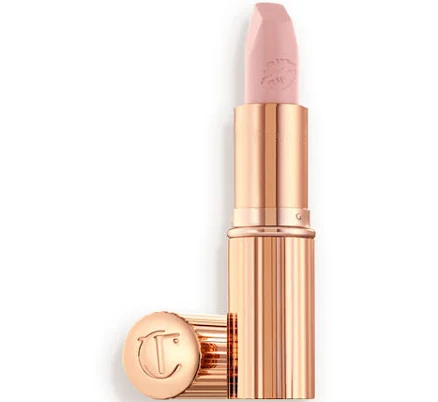
Charlotte Tilbury Hot Lips Lipstick
Lower concern for traditional lipstick formula with no known PFAS trigger materials.
This conventional lipstick uses waxes and oils without waterproofing, nonstick coatings, or water-repellent treatments typical of PFAS use in cosmetics. Charlotte Tilbury makes no public PFAS disclosures or claims, but no independent lab findings suggest concern.
We flunk more products than we pass. This one earned its grade. How we grade
Material
Wax, oils, pigments, and traditional cosmetic binders
Lab data
No public lab test
You may also be interested in
Top-graded picks in the categories readers replace first, every one scored on the same rubric.

- polypropylene filter housing, carbon/sediment cartridge
- We found no PFAS statement from the brand
- Bacterial growth in spent cartridges
3 hazards checked on this product, all on its full breakdown.

Aquasure
Premier Series 75 GPD Under Sink Reverse Osmosis Water Filtration System
- RO membrane, carbon filters, stainless steel housing
- We found no PFAS statement from the brand
- Bacterial and microbial growth in housing and filters
4 hazards checked on this product, all on its full breakdown.

Avocado
Vegan Mattress
- organic cotton, natural latex, coconut coir, recycled steel coils
- The brand calls it PFAS-free, which we have not verified
- Heavy metals
2 hazards checked on this product, all on its full breakdown.
What Charlotte Tilbury Hot Lips Lipstick is made of, ingredients and materials
Charlotte Tilbury Hot Lips is a conventional lipstick built on wax, oils (likely castor or plant-derived), and FDA-approved colorants and pigments. The formula contains no known synthetic polymers, silicones, or film-formers that typically trigger toxicological concern in lip products. Wax-based lipsticks present lower concern regarding systemic exposure because wax is occlusive and minimally absorbed through oral or dermal tissue, limiting how much of any contained substances reaches the bloodstream.
What’s concerning
Category baseline
The starting point for this type of product, before anything specific to this product is counted.
No PFAS disclosure
No public statement from the brand about PFAS in this product.
Lead
Lipstick pigments, particularly iron oxides and synthetic mica-based colorants, can carry trace heavy metals. Charlotte Tilbury does not publish heavy metal testing data; without third-party certification, metal levels cannot be verified but are assumed within legal limits (USA, lead <20 ppm in lip products under CFR 73/82).
Source, ATSDR ↗Fragrance allergens
The product contains fragrance (listed on INCI). Fragrance compounds in lip products can trigger contact dermatitis or sensitization, especially in individuals with fragrance sensitivity. Brand does not disclose fragrance component breakdown or allergen screening.
Oil oxidation and rancidity over time
Plant-based oils in the wax base can oxidize, producing free radicals and odor compounds. This is cosmetic (unpleasant smell, color darkening) rather than toxic, but oxidized oils may irritate sensitive lips. Risk increases after 18-24 months or if stored in warm environments.
What’s reassuring
Base material not linked to PFAS
The main material recorded for this product is not one associated with PFAS.
Contaminant bacteria in wax base (during storage/application)
No recalls or contamination incidents reported for this product. Wax-based lipsticks are naturally antimicrobial and low-moisture, making bacterial growth unlikely. Risk increases only if product is stored in high humidity, contaminated during application, or kept beyond 24 months.
Mica and talc contamination (asbestos risk)
If the product uses talc or mica as filler or shimmer agent, asbestos contamination is theoretically possible but not documented for Charlotte Tilbury lipsticks. Prestige brands typically source cosmetic-grade mica and talc with testing; no recalls or advisories exist for this line.
How is this PFAS grade calculated?
The brand's record and disclosure
Charlotte Tilbury does not publish detailed ingredient sourcing, heavy metal testing, or third-party safety certifications on its website. The brand has no documented recalls, regulatory warnings, or published contamination incidents. Ingredient lists are available on packaging and retail sites, but the brand does not voluntarily disclose testing for lead, cadmium, or other heavy metals in pigments, a common gap among prestige cosmetics brands not required to do so by law in most markets.
How it compares in its category
Prestige lipsticks in this price range (typically £20-30) rarely undergo third-party metal testing or PFAS screening. Charlotte Tilbury's formula is conventionally formulated and comparable to other luxury wax-based lipsticks (MAC, NARS, Estée Lauder). No evidence suggests this product uses non-traditional binders, mineral oils, or flame retardants. It occupies a middle position, more transparent than budget drugstore brands, but less committed to disclosure than indie or certified-clean brands.
If you buy it
Store in a cool place away from direct heat to prevent wax separation or oil bleeding. Avoid applying to broken or inflamed lip skin, as wax occlusion can trap bacteria in open wounds. Replace after 18-24 months or if color oxidizes, texture becomes grainy, or smell becomes rancid (sign of oil degradation). Discontinue use immediately if you experience persistent irritation, swelling, or allergic reaction; if this occurs, patch-test the product on inner arm to isolate ingredient sensitivity.
What is not known about PFAS in this product?
- Basis
- Model estimate, 78% confidence, not a lab result
- Lab test
- None on record for this exact product
- Brand statement
- Charlotte Tilbury has made a specific claim
Formulations change between production runs, so check the current label. How we grade.
More lipstick grades
How we score, every product runs through the same public 0-100 rubric based on materials, coatings, brand disclosure, lab findings, and recalls. See the full methodology → Spotted a mistake? Report an error.