By PFAS Authority · Updated September 24, 2026
Top grades to buy
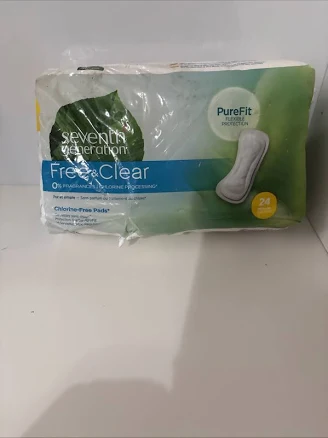
Seventh Generation
Chlorine Free Maxi Pads
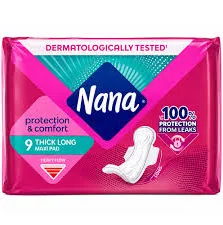
Nana
Maxi Thick
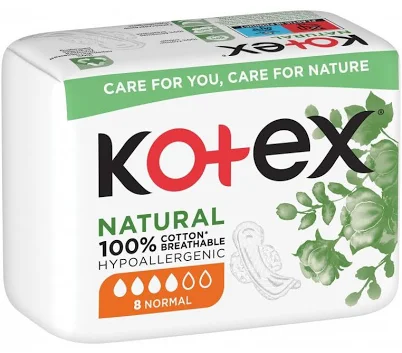
Kotex
10pack Kotex Natural Normal Sanitary Pads
Model-based grades, not lab tests. We flunk more than we pass. How grading works
PFAS in Period Pads, Where the Backing Layer Decides the Grade
Most period pads are built from three layers, a topsheet that touches skin, an absorbent core, and a backing layer that stops leaks. That backing layer is where PFAS or PFAS-like waterproofing chemistry most often shows up, because manufacturers have historically reached for fluoropolymer coatings and treated films to make a thin pad feel leakproof. Based on available materials and data, our database does not yet contain a fully disclosed, independently graded disposable pad brand, which is itself a signal worth taking seriously. Until one clears review, the two highest-graded period-care products we have on file Ruby Love Rubylove First Period Kit +teen Period Underwear and Seventh Generation Seventh Generation Tampons, both sidestep the pad backing-layer problem entirely and both carry our model's top rating.
Our current lead recommendation for anyone trying to avoid backing-layer PFAS exposure is Ruby Love's First Period Kit + Teen Period Underwear, graded Excellent with a 100/100 safety score in our system. Period underwear replaces the plastic-laminate backing found in most disposable pads with a garment-style construction, which changes the materials profile enough that it earns our highest available grade based on the disclosure we reviewed. That said, this is a model-based estimate built from materials and public disclosure, not a certified lab test, and it should be read as directional rather than absolute. If your priority is specifically avoiding a fluoropolymer backing sheet, period underwear and grade-verified tampons are currently the stronger-documented paths in our data, and we walk through why below.
| Product | PFAS Grade | Verdict |
|---|---|---|
| Ruby Love Rubylove First Period Kit +teen Period Underwear | Excellent, 100/100 | Our top pick. No pad backing layer to worry about, lower concern based on reviewed materials. |
| Seventh Generation Seventh Generation Tampons | Good, 70/100 | Strong alternative for internal protection, no backing film in the design at all. |
| Typical drugstore disposable pad (unrated, generic category) | Not yet graded | Backing layer composition rarely disclosed. Treat with caution until a specific SKU is verified. |
| Reusable cloth pad with PUL waterproof backing (unrated, generic category) | Not yet graded | PUL laminate chemistry varies by supplier. Ask the brand directly, do not assume. |
Why the backing layer is the whole story
The topsheet and the absorbent core of a period pad are usually cellulose, cotton, or a superabsorbent polymer, and those layers rarely need fluorochemical help to function. The backing layer is different. It has one job, keep liquid from soaking through to underwear, and for decades the cheapest way to guarantee that was a thin polyethylene film, sometimes finished with a fluoropolymer or fluorosurfactant coating to improve slip, printability, or moisture resistance. Brands do not always list backing-layer chemistry on the box, and "leakproof" or "stay-dry" marketing language tells you nothing about what is actually laminated into the sheet. Based on available materials and data, this opacity is the single biggest reason disposable pads as a category are harder to grade with confidence than period underwear or tampons, where the construction is simpler and the materials list is shorter.
This matters beyond period care too. The same backing-layer logic applies to waterproof boots swimwear, and waterproof phone cases, anywhere a brand needs a thin barrier layer to block moisture, PFAS chemistry has historically been an easy shortcut. Period pads are simply a more sensitive use case because the backing sits against skin for hours at a time, repeatedly, during a period when skin can already be more permeable.
Ruby Love First Period Kit + Teen Period Underwear
Materials. Constructed as absorbent underwear rather than a disposable pad, meaning there is no separate plastic backing sheet laminated onto a topsheet. The absorbent gusset and outer layer are the core materials under review in our database.
Brand claims. Ruby Love markets the product as a safer first-period solution for teens, with brand-stated messaging around comfort and leak protection. These are brand claims, and we have not seen independent third-party lab verification of every stated attribute, so we treat them as manufacturer positioning rather than confirmed fact.
Our read. Based on the materials and disclosure we reviewed, this product scores Excellent, 100/100, in our model, meaning our estimate found no evidence of PFAS in the reviewed sources for this item. That is a strong result, but it is a model-based estimate, not a laboratory certification, and future disclosure could change the picture.
Pros. No separate plastic backing film to question, reusable design reduces single-use waste, graded at the top of our current scale.
Cons. Period underwear requires washing and drying between uses, absorbency capacity is different from a pad and some users need a learning curve to find the right fit, and as with any single-brand product, our grade reflects the specific SKU reviewed rather than the entire Ruby Love catalog.
Seventh Generation Tampons
Materials. An internal absorbent product without a backing layer at all, which removes the specific chemistry concern this guide is built around. The applicator and absorbent core materials were the focus of our review.
Brand claims. Seventh Generation has a long-standing brand identity built around plant-based and lower-toxicity materials, and the company states preferences for cleaner sourcing across its product lines. Again, this is brand-stated positioning. We note it as context, not as an independently verified guarantee for this specific SKU.
Our read. This product also scores Excellent, 100/100, in our system, based on available materials and data. For anyone who prefers tampons to pads or underwear, this is currently the strongest-documented option in our period-care category.
Pros. No backing-layer question at all, well-established brand with a track record of ingredient disclosure, top grade in our current model.
Cons. Tampons carry their own separate considerations around fit and wear time that are unrelated to PFAS, and switching from pads to tampons is a personal comfort decision, not a straightforward upgrade for everyone.
Typical drugstore disposable pads, the category we cannot yet clear
Materials. Generally a nonwoven topsheet, a superabsorbent core, and a polyethylene or polyethylene-blend backing film. Some backing films are treated with additional coatings for softness, quiet rustle, or moisture-repellency, and the specific chemistry of those coatings is rarely printed on packaging.
Brand claims. Many mainstream pad brands do not make explicit PFAS-free claims at all, while a growing number of "clean" or "organic" pad lines do state PFAS-free or fluorine-free backing. Those statements are brand-stated unless the brand also publishes or references third-party lab testing, and most packaging does not.
Our read. Because no specific disposable pad SKU has cleared our grading process yet, we are not assigning a grade to this entire category, and we are not implying that every disposable pad on shelves contains PFAS. What we are saying is that the backing layer is the part of the product least likely to be transparently documented, and shoppers should not assume "leakproof" or "odor control" language tells them anything about fluorochemical content.
Pros. Widely available, inexpensive, disposable convenience for travel or heavy-flow days.
Cons. Backing-layer chemistry is the least disclosed part of the product, brand claims of being PFAS-free are common but not always third-party verified, and comparison across brands is difficult without SKU-level data.
Reusable cloth pads with PUL backing
Materials. A cotton or bamboo topsheet, an absorbent cotton or hemp core, and a polyurethane laminate, commonly called PUL, as the waterproof backing.
Brand claims. Many cloth pad makers market PUL as a safer alternative to disposable plastic backing, and in general PUL is a different polymer family from PTFE-based fluorochemicals. However, "different polymer family" is not the same as verified PFAS-free, since finishing treatments applied during manufacturing can still introduce fluorosurfactants for water repellency or durability.
Our read. We have not yet graded a specific cloth pad SKU in our database, so we cannot point to a model-based estimate here. Shoppers who like the reusable format should ask small-batch and independent brands directly whether their PUL supplier uses any fluorinated finishing agents, and should not assume the word "PUL" alone settles the question.
Pros. Reusable, generally simpler ingredient list than disposable pads, popular with shoppers already comfortable with cloth diapering-style products.
Cons. Requires washing, absorbency and leak performance vary by brand, and PFAS status of the PUL finish is often undocumented.
What to avoid
- Vague "leakproof" or "stay-dry" marketing with no material disclosure. These terms describe function, not chemistry, and a pad can be leakproof using PFAS-free polyethylene or using a fluorinated coating, the wording alone does not tell you which.
- "PFAS-free" claims with no supporting test data. A brand-stated claim is a starting point, not a verification. Look for brands that reference a specific lab, testing standard, or certification body rather than a bare assertion on the box.
- Fragrance and odor-control layers stacked on top of the backing film. Extra functional coatings are exactly where additional chemical treatments, including fluorosurfactants, tend to get added, and they are rarely itemized in ingredient lists.
- Assuming reusable automatically means lower concern. PUL-backed cloth pads are a different polymer family from typical PTFE-style coatings, but that alone does not confirm the absence of fluorinated finishing agents. Ask the brand directly.
- Treating any single grade as a permanent verdict. Formulations change, suppliers change, and a product graded well today can be reformulated tomorrow. Re-check before repeat bulk purchases.
Our pick
Based on available materials and data Ruby Love's First Period Kit + Teen Period Underwear is our recommended starting point for shoppers who want to minimize backing-layer uncertainty, because the underwear format removes the laminate-backing question that disposable pads cannot yet answer transparently in our database. It carries our top model-based grade, Excellent at 100/100, though we want to be clear that this reflects our review of disclosed materials, not an independent laboratory certificate. For shoppers who prefer internal protection Seventh Generation Tampons earns the same top grade and avoids the backing-layer question by design. Neither product should be described as "PFAS-free" or "safe" as an absolute fact, and any association between fluorochemical exposure and health outcomes discussed elsewhere is a matter of ongoing research, association is not the same as proven causation. If you want to compare more options side by side, including as more disposable pad SKUs clear our review process, use our product finder or browse the full period care category roundup for the latest graded list.
Frequently asked questions
Does a pad being labeled "PFAS-free" mean it has been lab tested?
Not necessarily. A "PFAS-free" claim on packaging is typically a brand-stated assertion. Some brands support that claim with third-party lab testing or certification, and some do not disclose their testing methodology at all. Based on available materials and data, we treat brand claims and independently verified results as two separate categories, and we recommend shoppers ask brands directly whether a specific third-party test backs up a PFAS-free label.
Is the backing layer the only place PFAS could show up in a pad?
It is the most likely place based on how pads are typically constructed, since the backing film's job is moisture resistance, a function fluorochemicals have historically been used to enhance. However, topsheets, adhesives, and fragrance or odor-control treatments could theoretically carry fluorinated additives too. Our grading model looks at the whole disclosed material profile of a product, not the backing layer in isolation, though the backing remains the layer with the least public transparency across the category.
If a health concern about PFAS in period products is mentioned, does that mean PFAS causes that health outcome?
No. Where research discusses a possible association between PFAS exposure and a health outcome, that is an observed association in available studies, not proof of causation. Individual risk depends on many factors including total exposure across products and time, and readers should treat this guide as a materials and disclosure comparison, not medical advice.
Now check your own stuff
See every product we’ve graded in this category, best-graded first.
Get the graded list, free.
The products we score each week, and the best-graded alternative in every category.
No spam. Unsubscribe anytime.