The Best Non-Toxic Period Pads of 2026
65 of the 78 period pads PFAS Authority has graded score below its 70 point pass mark for PFAS and other toxins, 83.3% of the category, as of October 2026, leaving 13 that pass. The highest graded is Seventh Generation Chlorine Free Maxi Pads at 100 out of 100.
Every grade below is built from published materials, ingredient lists, certifications and brand disclosures, scored on one public rubric and ranked best-graded first. Each score links to the full breakdown of what earned it, and the numbers across the whole dataset are published too.
Are period pads non-toxic?
13 of the 78 period pads we graded clear our screen and 65 do not. Non-toxic is not a defined or regulated term, so what we can tell you is what our graders recorded. Beyond PFAS, the hazards found or left unruled-out on period pads in this category are undisclosed fragrance, microplastics, formaldehyde, artificial dyes, pesticide residue. The highest graded here is Seventh Generation Chlorine Free Maxi Pads at 100 out of 100.
Quick picks
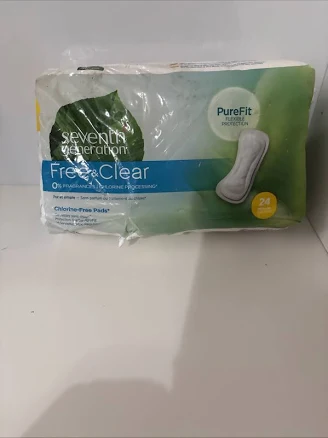
Best overall
Seventh Generation Chlorine Free Maxi PadsHighest PFAS grade in the category
100 Excellent
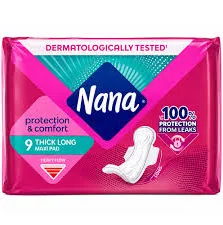
A second brand to consider
Nana Maxi ThickThe best grade here from a brand other than the winner
70 Good
Why Seventh Generation Chlorine Free Maxi Pads wins, and what it beats
Every grade on this page is one sum. A category starts from a baseline, each disclosed material or coating adds risk points, and each thing the brand or a third party has published takes them away. Below is that sum for the winner, then for 3 products it beats, so you can see exactly where the 75 points between the top and the bottom of this period pads ranking come from.
The winner
Made of organic cotton, wood pulp.
- +25Category baseline. The starting point for this type of product, before anything specific to this product is counted.
- -10Base material not linked to PFAS. The main material recorded for this product is not one associated with PFAS.
- -30Third-party PFAS-free verification. A third party reports verifying this product as PFAS-free.
What the grade does not fix. Nothing specific to this product adds risk, so what remains is the category baseline that every product here starts from. See the full breakdown.
What it beats, and why
What puts it behind. No PFAS disclosure, +15 points. No public statement from the brand about PFAS in this product. The winner carries no such factor.
Made of cellulose, cotton blend, absorbent core.
- +25Category baseline
- +15No PFAS disclosure
- -10Base material not linked to PFAS
30risk points, a grade of 70
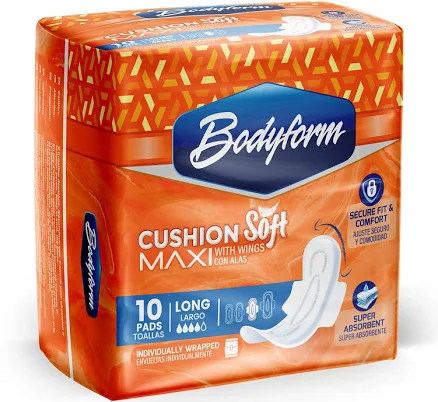
What puts it behind. No PFAS disclosure, +15 points. No public statement from the brand about PFAS in this product. The winner carries no such factor.
Made of Cellulose, absorbent core, backing layer.
- +25Category baseline
- +15No PFAS disclosure
40risk points, a grade of 60
What puts it behind. Waterproof / stain-resistant treatment, +35 points. Water-repellent coating treatments have historically used PFAS. The winner carries no such factor.
Made of Cellulose-based absorbent core, polyethylene backing, waterproof barrier coating unspecified.
- +35Waterproof / stain-resistant treatment
- +25Category baseline
- +15Vague safety claims only. Uses vague language ("eco-friendly", "clean") without a specific PFAS statement.
75risk points, a grade of 25
No product on this page was physically tested by us. Every number above comes from published materials, ingredient and coating disclosures, certifications and brand statements, scored on one public rubric. Formulations change without notice, so check the current product listing before buying.
What to watch for in period pads
Beyond the PFAS grade, these are the things our graders recorded on the 78 period pads in this category. We assess from materials, brand statements and published research. We do not lab-test.
- Undisclosed fragrance
A single word on a label that can stand for dozens of undeclared ingredients, protected as trade secret.
Found on 7 of these period pads. Plausible but unconfirmed on 38 more, meaning nobody has ruled it out. FDA
- Microplastics
Plastic fragments small enough to shed from a product into food, water or air without anyone seeing it.
Plausible but unconfirmed on 21 more, meaning nobody has ruled it out. EPA
- Formaldehyde
A preservative and resin ingredient that is also released slowly by a group of chemicals used in its place.
Plausible but unconfirmed on 5 more, meaning nobody has ruled it out. NCI
- Artificial dyes
Synthetic colours added to food, cosmetics and textiles, most of them petroleum derived.
Plausible but unconfirmed on 2 more, meaning nobody has ruled it out. FDA
- Pesticide residue
What remains on or in a crop after treatment, and in the textiles made from it.
Plausible but unconfirmed on 2 more, meaning nobody has ruled it out. EPA
The safest period pads we graded, lowest PFAS risk first
- 1
Third-party verified
- organic cotton, wood pulp
- The brand calls it PFAS-free, which we have not verified
- Fragrance allergen content
- 2
- cellulose, cotton blend, absorbent core
- We found no PFAS statement from the brand
- Bleach residues and processing chemicals in cellulose
3 hazards checked on this product, all on its full breakdown.
- 3
- Cotton, wood pulp absorbent core, plastic backing
- Pesticide residue
2 hazards checked on this product, all on its full breakdown.
- 4
- cotton, cellulose core, adhesive
- Pesticide residue
3 hazards checked on this product, all on its full breakdown.
- 5
- cotton, cellulose, absorbent core
- Formaldehyde / VOCs
2 hazards checked on this product, all on its full breakdown.
- 6
- Cotton, cellulose, standard absorbent core
- We found no PFAS statement from the brand
- Superabsorbent polymer (SAP) skin contact and allergic response
2 hazards checked on this product, all on its full breakdown.
- 7
- cellulose, polyethylene, absorbent core (typical period pad materials)
- We found no PFAS statement from the brand
- Absorbent polymer (sodium polyacrylate) allergic sensitization
3 hazards checked on this product, all on its full breakdown.
- 8
- cellulose, cotton, adhesive (unspecified)
- Bacterial contamination or overgrowth from moisture retention
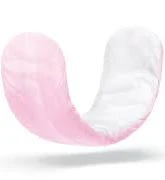
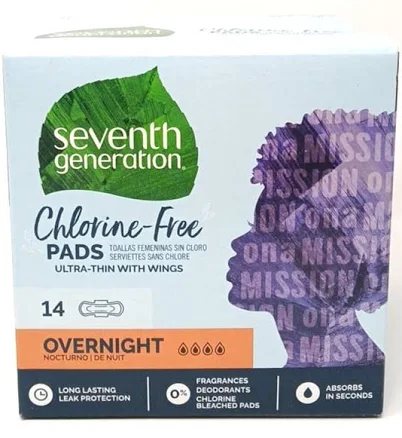
What the evidence says about PFAS in period pads
Testing of disposable period products has found indications of PFAS in some products but not others. Mamavation’s lab screening found indications of PFAS in 48 percent of 46 pads, panty liners and incontinence pads, and in 22 percent of 23 tampons. Notre Dame’s 2023 screening found intentional fluorination in some but not all pads, while tampons and the layers of pads that touch the skin did not seem to contain fluorine. Minnesota bans intentionally added PFAS in pads and tampons, and California and Maine also ban PFAS in menstrual products.
- Independent testMamavation’s lab screening found indications of PFAS in 48 percent of the 46 sanitary pads, panty liners and incontinence pads it tested. Mamavation ↗
- Independent testIn a separate Mamavation investigation, indications of PFAS were found in 22 percent of 23 tampons. Mamavation ↗
- Independent testNotre Dame’s 2023 screening found intentional fluorination in some, but not all, disposable and reusable pads, while others showed no measurable fluorine. University of Notre Dame ↗
- Independent testThe lead researcher said tampons did not seem to contain fluorine, and neither did the layers of pads that touch the skin. American Chemical Society (archived page) ↗
- Regulatory filingMinnesota’s ban on intentionally added PFAS, in force since 2025, covers pads and tampons. Minnesota Pollution Control Agency ↗
- Regulatory filingCalifornia bans the manufacture and sale of menstrual products that contain regulated PFAS. California Legislature ↗
- Regulatory filingMaine has banned the sale of menstruation products containing intentionally added PFAS since January 1, 2026. Maine Legislature ↗
Sources checked September 14, 2026. A brand statement is the company’s own claim, which we report but have not verified. Our grades are model-based estimates, not lab tests.
Questions people ask about period pads
You may also be interested in
Top-graded picks in the categories readers replace first, every one scored on the same rubric.

- polypropylene filter housing, carbon/sediment cartridge
- We found no PFAS statement from the brand
- Bacterial growth in spent cartridges
3 hazards checked on this product, all on its full breakdown.

Aquasure
Premier Series 75 GPD Under Sink Reverse Osmosis Water Filtration System
- RO membrane, carbon filters, stainless steel housing
- We found no PFAS statement from the brand
- Bacterial and microbial growth in housing and filters
4 hazards checked on this product, all on its full breakdown.

Avocado
Vegan Mattress
- organic cotton, natural latex, coconut coir, recycled steel coils
- The brand calls it PFAS-free, which we have not verified
- Heavy metals
2 hazards checked on this product, all on its full breakdown.
All the period pads that pass, side by side
Sorted by score. A higher score means lower PFAS risk. Scored against 2 hazards that apply to this category.
| # | Period Pads | Score | Rating | Made of | Key concern |
|---|---|---|---|---|---|
| 1 | Seventh Generation Chlorine Free Maxi Pads | 100 | Excellent | organic cotton, wood pulp | Fragrance allergen content |
| 2 | Nana Maxi Thick | 70 | Good | cellulose, cotton blend, absorbent core | Bleach residues and processing chemicals in cellulose |
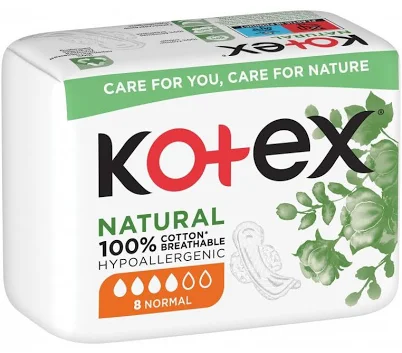
| 3 | Kotex 10pack Kotex Natural Normal Sanitary Pads | 70 | Good | Cotton, wood pulp absorbent core, plastic backing | Pesticide residue |
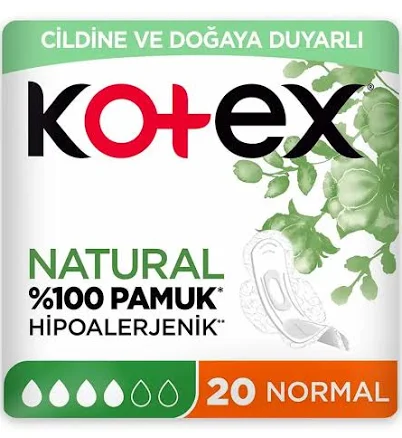
| 4 | Kotex Natural Quadro Normal Pads 20 Count | 70 | Good | cotton, cellulose core, adhesive | Pesticide residue |
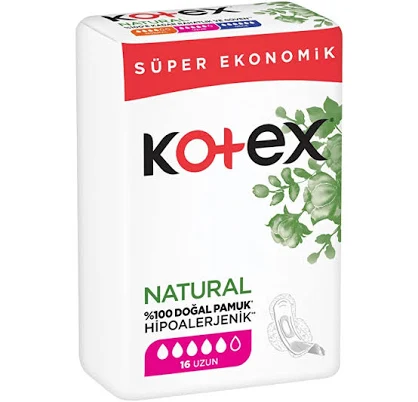
| 5 | Kotex Natural Ultra Quadro Sanitary Pad Long 16 pcs | 70 | Good | cotton, cellulose, absorbent core | Formaldehyde / VOCs |
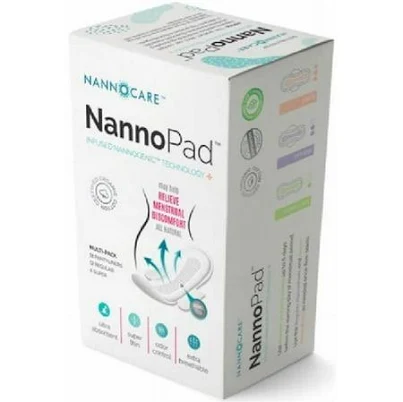
| 6 | Nannopad Pad Feminine Multipack | 70 | Good | Cotton, cellulose, standard absorbent core | Superabsorbent polymer (SAP) skin contact and allergic response |
| 7 | OB / Maternity Pad Maxi Super Absorbency NON241279 | 70 | Good | cellulose, polyethylene, absorbent core (typical period pad materials) | Absorbent polymer (sodium polyacrylate) allergic sensitization |
| 8 | Seventh Generation Chlorine- Ultra-thin Pads With Wings Super Long | 70 | Good | cellulose, cotton, adhesive (unspecified) | Bacterial contamination or overgrowth from moisture retention |
The verdict on period pads
Seventh Generation Chlorine Free Maxi Pads grades 100 out of 100, the highest here. It is organic cotton, wood pulp. The brand calls it PFAS-free, which we have not verified.
Choose Nana Maxi Thick instead if you want a second option at 70 out of 100, cellulose, cotton blend, absorbent core.
We hold no price data, so nothing here is a budget recommendation. Grades are model-based assessments from published materials and disclosures, not laboratory tests.
The period pads we would skip
Lowest scoring in this category, worst first, with the reason.
- 25Nana Ultra Regular Sanitary Towels Moderate FlowPoor
Topsheet polymer/treatment composition unknown
- 25Kotex Ultra Thin PadsPoor
Waterproof backing layer (unspecified composition)
- 25Poor
What we check on period pads
- Phthalates. Plastic softeners studied for endocrine effects. ATSDR
- Endocrine disruptors. Chemicals that interfere with the body’s hormone system. NIEHS
Full point-by-point rubric on the methodology page.
The period pads brands we found no PFAS statement from
We found no PFAS statement from 12 of the brands here. That is our research, not proof a brand has never said anything, and it is not evidence of harm. It is why none of them score well on disclosure.
Always Maxi, Bodyform, Carefree, Kotex Security, Libresse, Modess, Nana, Nannopad, OB, Poise, Stayfree, Whisper.
The brands that have published something, and what each of them actually said, are in our record of what every brand has said about PFAS.
Common questions about PFAS in period pads
Are period pads PFAS free?
65 of the 78 period pads PFAS Authority has graded score below its 70 point pass mark for PFAS and other toxins, 83.3% of the category, as of October 2026, leaving 13 that pass. The highest graded is Seventh Generation Chlorine Free Maxi Pads at 100 out of 100. The lowest graded is Nana Ultra Regular Sanitary Towels Moderate Flow at 25 out of 100.
Are period pads non-toxic?
13 of the 78 period pads we graded clear our screen and 65 do not. Non-toxic is not a defined or regulated term, so what we can tell you is what our graders recorded. Beyond PFAS, the hazards found or left unruled-out on period pads in this category are undisclosed fragrance, microplastics, formaldehyde, artificial dyes, pesticide residue. The highest graded here is Seventh Generation Chlorine Free Maxi Pads at 100 out of 100.
Which are the safest period pads to buy?
On our grades, Seventh Generation Chlorine Free Maxi Pads at 100 out of 100, which we band as Excellent. Then Nana Maxi Thick at 70. These are model-based assessments from published materials, ingredient lists, certifications and disclosures, not laboratory tests, so treat them as the lowest risk we can evidence rather than a safety guarantee.
Which period pads grade best for PFAS?
Seventh Generation Chlorine Free Maxi Pads, at 100 out of 100, which we band as Excellent. It is organic cotton, wood pulp. The runner up is Nana Maxi Thick at 70.
Which period pads should I avoid?
The three lowest scoring we hold are Nana Ultra Regular Sanitary Towels Moderate Flow at 25, Kotex Ultra Thin Pads at 25, Kotex Ultra Thin Heavy Pads with Wings at 25. The problem with the first is that lower concern, but waterproof layer composition unconfirmed by brand.
How can you tell if period pads contain PFAS?
In this category we check for phthalates, endocrine disruptors. Plastic softeners studied for endocrine effects. Language like stain resistant, water repellent or easy release usually means fluorinated chemistry even when PFAS is never printed on the box.
Which period pads brands have not published a PFAS statement?
We found no PFAS statement from 12 of the brands we scored in this category, including Always Maxi, Bodyform, Carefree, Kotex Security, Libresse, Modess. That is what our research turned up, not proof a brand has never said anything, and a missing statement is not evidence of harm. It is the reason those brands cannot score well on disclosure.
Do you lab test period pads?
No. We score from published ingredient lists, materials, certifications, disclosures and third party lab results where they exist. Where a product has been independently tested we use that result and say so.
More beauty and personal care categories we have graded
Same rubric, same scale. These are the categories closest to period pads.
Get the graded list, free.
The products we score each week, and the best-graded alternative in every category.
No spam. Unsubscribe anytime.
Does a particular brand of period pads have PFAS?
Brands we grade across the catalogue
Everything we have scored from these brands, not just period pads.
Want to filter the whole category yourself? Browse all 78 period pads.