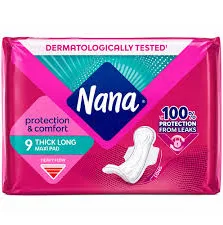
Nana Maxi Thick
Lower concern. Standard sanitary pad with typical materials.
Nana Maxi Thick uses conventional absorbent pad materials. No PFAS-specific concerns identified, though brand provides no disclosure. Typical period product with standard composition.
We flunk more products than we pass. This one earned its grade. How we grade
Material
cellulose, cotton blend, absorbent core
Brand disclosure
Brand is silent on PFAS
Lab data
No public lab test
You may also be interested in
Top-graded picks in the categories readers replace first, every one scored on the same rubric.

- polypropylene filter housing, carbon/sediment cartridge
- We found no PFAS statement from the brand
- Bacterial growth in spent cartridges
3 hazards checked on this product, all on its full breakdown.

Aquasure
Premier Series 75 GPD Under Sink Reverse Osmosis Water Filtration System
- RO membrane, carbon filters, stainless steel housing
- We found no PFAS statement from the brand
- Bacterial and microbial growth in housing and filters
4 hazards checked on this product, all on its full breakdown.

Avocado
Vegan Mattress
- organic cotton, natural latex, coconut coir, recycled steel coils
- The brand calls it PFAS-free, which we have not verified
- Heavy metals
2 hazards checked on this product, all on its full breakdown.
What Nana Maxi Thick is made of, ingredients and materials
Nana Maxi Thick uses a cellulose-cotton blend in its absorbent core, which is a standard construction for sanitary pads. Cellulose fibers are plant-derived and generally stable during use; cotton adds softness and breathability. The materials themselves do not undergo heating during normal use, so the primary chemical concern in this category would be residual processing chemicals or bleaching agents retained in the fibers, not degradation or leaching.
What’s concerning
Category baseline
The starting point for this type of product, before anything specific to this product is counted.
No PFAS disclosure
No public statement from the brand about PFAS in this product.
Bleach residues and processing chemicals in cellulose
Most mass-market sanitary pads use bleached cellulose. No recall history for Nana products, but residual chlorine compounds or other bleaching byproducts are a theoretical concern in any non-certified cellulose pad; levels are not publicly disclosed.
Azo dyes or colorants in printed or top-sheet materials
Many sanitary pads include printed logos or dyed non-woven top sheets. No specific safety violations on record for Nana, but azo dyes can cause allergic contact dermatitis in sensitive individuals and are restricted in some jurisdictions; Nana's sourcing is not publicly transparent.
Skin irritation or allergic sensitization from adhesives or synthetic fibers
Pressure-sensitive adhesives and synthetic non-woven backing in pads can trigger localized dermatitis, especially in prolonged contact or high-moisture conditions. This is a material-class risk, not brand-specific, but no published safety data distinguishes Nana from peers.
What’s reassuring
Base material not linked to PFAS
The main material recorded for this product is not one associated with PFAS.
Microplastics
Sanitary pads are not heated or mechanically damaged during normal use, so microplastic shedding is not a documented concern for this product category. The cellulose-cotton blend does not readily fragment.
Source, EPA ↗Formaldehyde / VOCs
Formaldehyde resins are used in textile and paper finishing, but are not a standard concern in sanitary-pad manufacturing. No public record of Nana products containing detectable formaldehyde.
Source, ATSDR ↗How is this PFAS grade calculated?
The brand's record and disclosure
Nana is a major European sanitary-product brand (owned by SCA) with no documented product recalls for chemical contamination or safety violations in public databases. The brand maintains silence on PFAS policy specifically, which is common among mass-market pad manufacturers but falls short of transparency leaders like some organic-certified alternatives. No independent safety certifications (e.g., organic, hypoallergenic) are claimed on standard packaging.
How it compares in its category
Nana Maxi Thick sits in the mainstream, cost-conscious segment of sanitary pads. It lacks the third-party certifications or explicit chemical disclosures of premium or eco-focused brands, but also shows no worse safety profile than comparable mass-market pads from similar manufacturers. Organic or chlorine-free alternatives exist at higher price points; this product does not position itself in that market.
If you buy it
Use the product as directed with no special precautions; there are no heating or storage concerns for sanitary pads. Replace pads regularly (every 4-8 hours depending on flow) to prevent bacterial overgrowth and odor, regardless of brand. If you experience unexplained rashes, itching, or allergic symptoms, discontinue and consider switching to a different brand, as sensitivity to residual dyes or processing chemicals is possible with any pad.
What is not known about PFAS in this product?
- Basis
- Model estimate, 78% confidence, not a lab result
- Lab test
- None on record for this exact product
- Brand statement
- Nana has made none
Formulations change between production runs, so check the current label. How we grade.
What are the PFAS-free alternatives to Nana Maxi Thick?
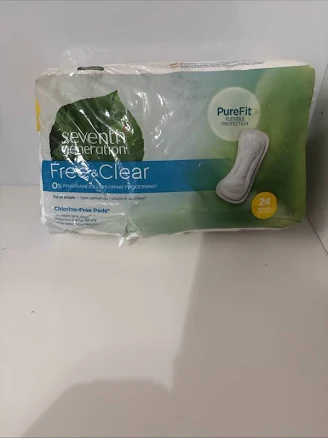
- organic cotton, wood pulp
- The brand calls it PFAS-free, which we have not verified
- Fragrance allergen content
More period pads grades
How we score, every product runs through the same public 0-100 rubric based on materials, coatings, brand disclosure, lab findings, and recalls. See the full methodology → Spotted a mistake? Report an error.