By PFAS Authority · Updated October 6, 2026
Top grades to buy
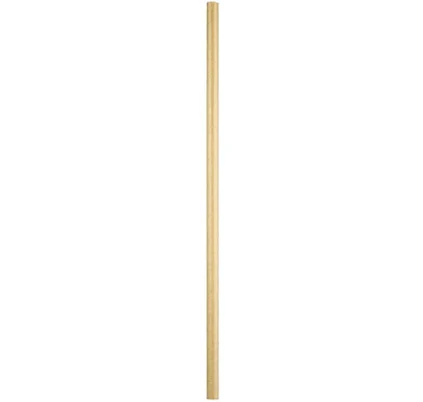
Yocup
Giant Striped Unwrapped Paper Straw
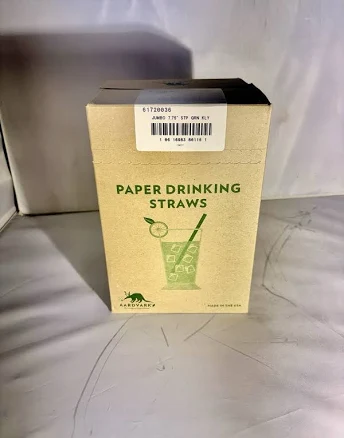
Aardvark
Paper Drinking Straws 600 Pieces In Box
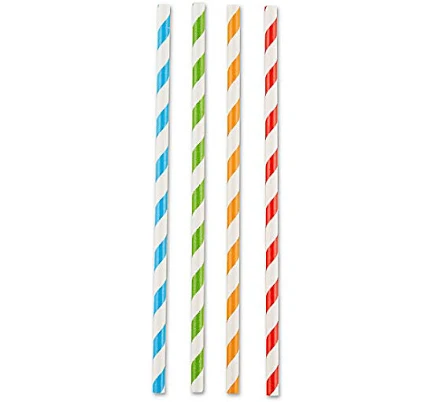
Straws PAPER
Design Imports Paper Straws (Set of 100)
Model-based grades, not lab tests. We flunk more than we pass. How grading works
PFAS in Paper Straws, Why the Coated Ones Grade Worst
Paper straws are marketed as the eco-friendly fix for plastic waste, but a growing body of independent lab testing tells a messier story. Researchers in Belgium, the United States, and the Czech Republic have repeatedly detected fluorine, the telltale marker of PFAS "forever chemicals," in the wet-strength and grease-resistant coatings used on many paper straws, including some labeled biodegradable or compostable. Uncoated paper straws and reusable alternatives generally test lower for these markers, though testing coverage is inconsistent across brands. Based on available materials and data, this guide treats coated paper straws as the highest-concern format in the straw category and points toward reusable alternatives that already carry model-based PFAS grades in our database.
There is no single-use paper straw in our graded database, because most paper straw brands do not publish the kind of material disclosure our model needs to score a product. That absence is itself a signal worth weighing. The clear winner here isn't a paper straw at all, it's a reusable stainless steel straw built into a bottle that has already been scored, such as the Hydro Flask 24oz Standard Flex Straw Cap, which our model estimates at Excellent (100/100 safety) based on reviewed materials and public disclosure, with no evidence of PFAS found in reviewed sources. If you drink from straws daily, swapping the disposable paper version for a reusable, scored bottle-and-straw combo is the more consistently lower-concern path while the paper straw category keeps getting flagged in independent studies.
Summary comparison
| Product or category | PFAS grade | Verdict |
|---|---|---|
| Coated paper straws (colored, printed, or marketed "grease-resistant") | Not individually graded in our database; repeatedly flagged for fluorine markers in third-party lab studies | Avoid where alternatives exist |
| Plain uncoated paper straws | Not individually graded in our database; generally lower fluorine detection in published studies, but inconsistent testing | Use with caution, verify brand disclosure |
| Hydro Flask 24oz Standard Flex Straw Cap | Excellent, 100/100 (model-based estimate) | Our pick for a reusable straw alternative |
| Hydro Flask 32 oz Wide Mouth Travel Bottle with Flex Straw Cap | Excellent, 100/100 (model-based estimate) | Strong alternative for larger servings |
| Clearly Filtered 32oz Stainless Bottle Cap and Straw | Excellent, 100/100 (model-based estimate) | Good pick if you also want filtration |
| CamelBak Eddy+ Bottle | Excellent, 100/100 (model-based estimate) | Good pick for kids and school lunches |
| Hydro Flask 32 oz Lightweight Flex Straw Bottle | Excellent, 100/100 (model-based estimate) | Lighter daily-carry alternative |
Why paper straws get coated, and why that's the problem
Plain paper collapses fast in a cold drink and turns to mush in a hot one within minutes. To fix that, manufacturers apply thin polymer or wax coatings that add water resistance and structural integrity. For decades, some of the most effective grease- and water-resistant coatings available were fluorinated compounds, the same chemical family used in non-stick cookware and waterproof fabrics. These coatings repel liquid extremely well, which is exactly why they worked so well on straws, and exactly why they raise concern, PFAS compounds are persistent, bioaccumulative, and have been associated in multiple studies with health effects including altered cholesterol levels and immune response changes. Association is not the same as proven causation, and research is ongoing, but regulators in the EU and several US states have moved to restrict intentionally added PFAS in food-contact paper as a precaution.
A widely cited 2023 Belgian study tested 39 brands of straws across paper, bamboo, glass, stainless steel, and plastic. Fluorine was detected in the majority of paper straws tested, more often than in plastic straws, which undercuts the simple assumption that paper automatically beats plastic on chemical safety. Stainless steel straws in that same study showed the fewest detections. That pattern lines up with what we see in our own database, reusable steel and glass hydration products consistently score Excellent, while single-use coated paper products are largely absent from graded databases because brands rarely disclose coating chemistry in a way that supports third-party verification.
How we would grade paper straws if brands disclosed more
Our model-based grading relies on ingredient and material disclosure, manufacturing claims, and available third-party test data where it exists. Because most paper straw brands do not publish coating formulations, and because independent testing of paper straws has been done by researchers rather than by the brands themselves, we cannot assign a specific numeric score to any single paper straw product the way we can for a water bottle with published material specs. What we can say, based on available materials and data, is that the category pattern looks worse than reusable alternatives, and that coated, printed, or "water-resistant" paper straws are the subset most frequently flagged in outside lab work. This is a category-level caution rather than a product-specific grade, and it should be read that way.
If you want a numeric, model-based grade you can actually compare, that's where reusable straw-and-bottle combinations come in. Every product listed in this guide has gone through our scoring process using disclosed materials and manufacturing information, and each currently sits at Excellent, 100/100, in our model-based estimate. That is not a lab certification and not a guarantee; it reflects what is publicly known about the materials used, not an independent chemical assay of every unit sold.
Product breakdown, reusable straw alternatives
Hydro Flask 24oz Standard Flex Straw Cap
Materials Stainless steel bottle body with a flexible straw cap assembly. Brand claims Hydro Flask markets the Flex Straw Cap as a convenient, leak-resistant sipping option; the company has not published a third-party PFAS lab certificate for this specific accessory in the sources we reviewed. Our model-based read Excellent, 100/100, based on disclosed materials and public information, with no evidence of PFAS found in reviewed sources. Pros widely available, dishwasher-safe parts, replaceable straw and cap. Cons plastic straw and cap components still need periodic replacement, and like any bottle it needs regular cleaning to prevent buildup. See the Hydro Flask 24oz Standard Flex Straw Cap for details.
Hydro Flask 32 oz Wide Mouth Travel Bottle with Flex Straw Cap
Materials Insulated stainless steel body, wide-mouth opening, flex straw lid. Brand claims Hydro Flask positions this as a travel-friendly format for larger daily water intake. Our model-based read Excellent, 100/100 in our estimate from disclosed materials and public disclosure. Pros larger capacity, good for commuters replacing multiple disposable drinks a day. Cons bulkier to carry, higher price point than a sleeve of paper straws. Full listing at Hydro Flask 32 oz Wide Mouth Travel Bottle with Flex Straw Cap.
Clearly Filtered 32oz Stainless Bottle Cap and Straw
Materials Stainless steel bottle with an integrated filtration cap and straw. Brand claims Clearly Filtered states its filters are tested against a long list of contaminants; verify any specific PFAS filtration claim directly against the brand's published test documentation rather than taking it as independently confirmed here. Our model-based read Excellent, 100/100 based on disclosed materials. Pros combines filtration with a reusable straw, useful if your tap water quality is also a concern. Cons filter cartridges need replacement on a schedule, adding ongoing cost. Details at Clearly Filtered 32oz Stainless Bottle Cap and Straw.
CamelBak Eddy+ Bottle
Materials BPA-free plastic or stainless body depending on version, with a bite-valve straw design. Brand claims CamelBak markets the Eddy+ line as leakproof and spill-resistant for kids and school use. Our model-based read Excellent, 100/100 based on reviewed materials and public disclosure. Pros popular for school lunchboxes, easy for small hands, widely stocked. Cons straw valve requires regular cleaning to avoid mold buildup in grooves. See the CamelBak Eddy+ Bottle listing.
Hydro Flask 32 oz Lightweight Flex Straw Bottle
Materials Lightweight-formula stainless steel with flex straw lid. Brand claims Hydro Flask markets this as a lighter-weight option for hiking and daily carry. Our model-based read Excellent, 100/100 based on disclosed materials and public information. Pros noticeably lighter than the standard steel line, same straw-cap convenience. Cons thinner-wall construction may dent more easily than heavier steel bottles. Listing at Hydro Flask 32 oz Lightweight Flex Straw Bottle.
If you want to see how these straw-equipped bottles stack up against insulated mugs for daily carry, our insulated travel mugs roundup covers a related format for anyone who drinks more hot beverages than cold ones.
What to avoid
- Colored or printed paper straws sold loose at cafes or in bulk party packs, where coating chemistry is rarely disclosed on packaging and brand identity is often untraceable.
- Straws labeled "water-resistant," "grease-resistant," or "extra durable" without a named coating ingredient. These descriptive terms have historically correlated with fluorinated coatings in the straws tested by independent researchers.
- "Compostable" or "biodegradable" claims used as a stand-in for chemical safety. A straw can be compostable in theory and still contain PFAS; the two properties are unrelated, and a compostable claim is a brand-stated environmental claim, not a chemical safety certification.
- Hot-beverage use of any coated paper straw. Heat can accelerate the breakdown of coatings and packaging. The same caution applies broadly to coated paper food packaging; our pizza boxes guide covers a similar coated-paper PFAS pattern in hot food containers.
- Assuming "plastic-free" automatically means lower-concern. The Belgian fluorine-testing study found paper straws tested positive for fluorine more often than plastic straws did, which runs counter to the intuitive assumption that paper is the safer material by default.
Our pick
Based on available materials and data, our pick for anyone trying to cut both plastic waste and PFAS exposure risk from the straw category is the Hydro Flask 24oz Standard Flex Straw Cap. It carries our model's Excellent, 100/100 estimate from disclosed materials and public information, with no evidence of PFAS found in reviewed sources, it's reusable rather than single-use, and the replaceable straw component means you're not relying on an undisclosed paper coating every time you take a sip. If you also want built-in filtration, the Clearly Filtered 32oz Stainless Bottle Cap and Straw is a reasonable step up, and for kids specifically the CamelBak Eddy+ Bottle is a practical, widely available option. None of these claims amount to a lab certification of any individual unit; they reflect our model's reading of disclosed materials, not an independent chemical assay performed on your exact bottle.
For a broader comparison across hydration products, filters, and other PFAS-relevant categories, our product finder lets you search by category and compare model-based grades side by side, including the full set of lunch boxes and food containers that often get packed alongside a straw.
Frequently asked questions
Do all paper straws contain PFAS?
No. Independent lab testing has found that many, but not all, coated paper straws contain detectable fluorine, which is used as a marker for PFAS presence. Plain uncoated straws have generally shown lower detection rates in published studies, but testing coverage across brands is incomplete, and no paper straw in our database currently has a verified, product-specific grade due to limited brand disclosure.
Is a reusable stainless steel straw automatically lower risk than a paper one?
Based on available materials and data, reusable stainless steel and glass straws have shown fewer fluorine detections in independent testing than coated paper straws, and the bottle-and-straw products in our database that use stainless steel bodies currently score Excellent in our model-based estimate. This reflects disclosed materials and public information, not a lab certification of every unit, so it should be read as a comparative, not absolute, safety statement.
Can I trust a brand that says its paper straws are "PFAS-free"?
Treat any PFAS-free claim as a brand statement until you can confirm it against an actual third-party lab report. Some straw brands have published certificates of analysis for specific product lines, which is meaningfully stronger evidence than a marketing claim alone. Where no such documentation is available, the responsible approach is to note the claim as brand-stated rather than independently verified, and to weigh it against category-wide findings from researchers who have tested straws directly.
Now check your own stuff
See every product we’ve graded in this category, best-graded first.
Get the graded list, free.
The products we score each week, and the best-graded alternative in every category.
No spam. Unsubscribe anytime.