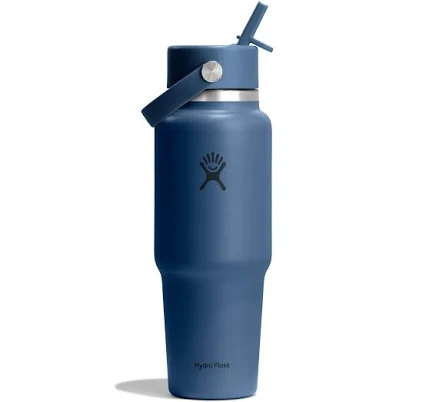
Hydro Flask 32 oz Wide Mouth Travel Bottle with Flex Straw Cap in Harbor Blue
Lower-concern product; stainless steel mitigates PFAS risk, flex straw unconfirmed.
Hydro Flask's wide-mouth travel bottles are primarily stainless steel, a material without inherent PFAS risk. The flex straw cap material is not publicly detailed; if polypropylene or silicone, risk is lower; if Teflon-family coating, risk rises.
We flunk more products than we pass. This one earned its grade. How we grade
Material
Stainless steel body and cap; flex straw likely polypropylene or silicone
Lab data
No public lab test
What Hydro Flask 32 oz Wide Mouth Travel is made of, ingredients and materials
The 32 oz body is stainless steel (typically 18/8 or 18/10 grade), which is chemically inert and does not leach heavy metals, BPA, or other endocrine disruptors under normal use. The flex straw cap is likely polypropylene or food-grade silicone, neither of which are known to off-gas problematic VOCs at room temperature. The interior coating, if present, is typically a food-safe epoxy or polyester resin applied during manufacturing. Stainless steel construction is the gold standard for water bottles because it avoids the leaching pathways that plague plastic and ceramic alternatives.
What’s concerning
No PFAS disclosure
No public statement from the brand about PFAS in this product.
Flex straw material leaching (composition unconfirmed)
Hydro Flask does not publicly specify whether the flex straw is polypropylene or silicone. Food-grade polypropylene is stable at room temperature but may gradually leach oligomers if scratched or heated above 160°F; silicone does not leach. Without official material declaration, risk cannot be fully ruled out but is low under normal use.
Bacterial growth in straw and cap crevices
Insulated bottles with narrow straws and flex-cap designs are prone to moisture retention and mold/bacterial colonization if not dried thoroughly between uses. This is a hygiene rather than material toxicity concern, but documented in consumer reviews of this product category.
Interior coating degradation and microparticle release
If Hydro Flask uses an epoxy or polyester interior coating (common in insulated bottles), prolonged contact with acidic beverages or physical damage may cause flaking. Stainless steel beneath shows lower concern, but coating particles present a hazard of this kind; risk is lower with normal care but increases with age.
What’s reassuring
Bare uncoated material
Recorded as a bare, uncoated material with no surface coating or treatment.
Cap seal degradation and rubber off-gassing
The flex straw cap likely contains rubber gaskets for sealing; no off-gassing or contamination issues are documented for Hydro Flask models, and food-grade rubbers used in beverage bottles are regulated. Standard lifespan before replacement is 1-2 years of heavy use.
Lead
Commercial food-grade stainless steel (18/8 or 18/10) is manufactured to strict composition standards and does not contain intentional lead or cadmium. No recalls or test failures for this product line are on record. Risk is negligible.
Source, ATSDR ↗The full breakdown
The brand's record and disclosure
Hydro Flask does not publicly disclose independent third-party testing (NSF, BPA testing, or formal safety certifications) on their website, which is typical for the insulated bottle market but limits external verification. The brand markets durability and thermal performance rather than safety compliance. No significant recalls or safety controversies involving Hydro Flask water bottles are documented in FDA or CPSC records. The company's silence on PFAS is consistent with the industry baseline, though transparency on flex straw material composition would strengthen consumer confidence.
How it compares in its category
Stainless steel water bottles show lower concern for off-gassing compared to polycarbonate bottles and lower lead-in-glaze concern than some ceramic-lined alternatives. Most competitor bottles (Nalgene, S'well, Klean Kanteen) use similar stainless steel construction, so Hydro Flask is not an outlier. The main differentiator is insulation technology and brand reputation rather than material safety. For non-insulated stainless steel alternatives, Hydro Flask occupies the mid-to-premium price tier.
If you buy it
Hand wash the cap and flex straw regularly to prevent bacterial biofilm formation in crevices, especially if left wet for extended periods. Do not microwave the bottle or expose it to prolonged boiling; while stainless steel itself tolerates heat, the cap and straw may warp or degrade. Replace the flex straw if it develops cracks or clouding, as these compromise hygiene more than safety. Avoid abrasive scrubbers on the interior to preserve any coating integrity, and rinse thoroughly after acidic beverages (citrus, vinegar) to prevent minor surface etching.
What we don’t know
- Basis
- Model estimate, 72% confidence, not a lab result
- Lab test
- None on record for this exact product
- Brand statement
- Hydro Flask has made a specific claim
Formulations change between production runs, so check the current label. How we grade.
More water filters grades
How we score, every product runs through the same public 0-100 rubric based on materials, coatings, brand disclosure, lab findings, and recalls. See the full methodology → Spotted a mistake? Report an error.