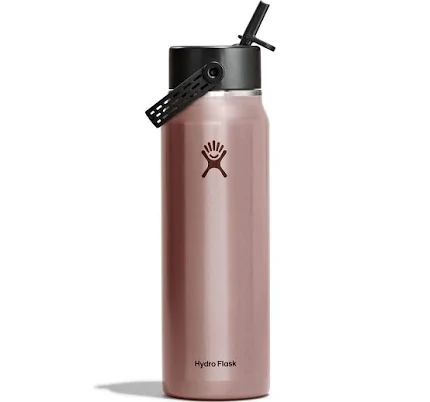
Hydro Flask 32 oz Lightweight Flex Straw Bottle
Lower PFAS concern. Stainless and silicone avoid Teflon-family coating coatings, but no disclosure.
Hydro Flask's stainless steel construction and silicone straw are materials with lower inherent PFAS risk compared to coated nonstick or water-resistant products. However, the brand does not publicly disclose PFAS testing or declare PFAS-free status.
We flunk more products than we pass. This one earned its grade. How we grade
Material
Stainless steel bottle; silicone straw
Lab data
No public lab test
What Hydro Flask 32 oz Lightweight Flex Straw is made of, ingredients and materials
The bottle core is food-grade stainless steel (typically 18/8 or 304 grade), which is chemically inert and does not leach metals into water under normal use. The straw is silicone elastomer, a non-fluorinated polymer that avoids the Teflon-type coating/PFOA concerns of traditional plastic straws. The lid and seal components are typically polypropylene or similar commodity plastics with minimal documented leaching risk at room temperature. This material pairing sidesteps the primary hazards (metal leaching, Teflon-family coating outgassing) that affect cheaper water bottles.
What’s concerning
No PFAS disclosure
No public statement from the brand about PFAS in this product.
Silicone straw degradation and microbial growth
Silicone is not prone to chemical leaching but can absorb odors, harbor bacteria if not dried completely, or develop mold in warm, moist storage. This is a maintenance issue, not an inherent material toxicity risk.
Vacuum seal integrity loss
Over years of use, the gasket between the double walls can degrade, allowing ambient air or moisture ingress but not introducing new chemical hazards. This is durability, not safety.
What’s reassuring
Bare uncoated material
Recorded as a bare, uncoated material with no surface coating or treatment.
Stainless steel lid/gasket polymer leaching
Lid seals are typically food-grade polypropylene or EPDM rubber, both of which show negligible leaching at room temperature. No documented issues for this product line.
Heavy metals
Food-grade 304 stainless steel does not leach chromium, nickel, or manganese into neutral or acidic beverages under normal storage conditions. Hydro Flask does not disclose material test results, but no recalls or complaints are on record.
Source, FDA ↗Coating adhesion on interior (if any epoxy lining present)
Lightweight Flex models are typically bare stainless steel interiors without epoxy or ceramic coatings, so peeling or flaking risk is not applicable. Verification with Hydro Flask product specs is recommended if purchasing a differently marketed variant.
The full breakdown
The brand's record and disclosure
Hydro Flask publishes no formal PFAS testing results or voluntary PFAS disclosure, despite industry pressure from major retailers. The brand has not faced major product recalls related to leaching, bacterial contamination, or coating failure in its stainless steel line. Hydro Flask is owned by Helen of Troy Limited and has no third-party certifications (NSF, BPA-free claims, etc.) explicitly listed on product pages, though stainless steel bottles rarely require them. The company's silence on chemical testing is typical for mid-market drinkware brands but falls short of transparency leaders like Klean Kanteen.
How it compares in its category
Stainless steel water bottles have lower concern for plastic leaching and Teflon-family coating off-gassing compared to some other materials in the category. The Hydro Flask's insulated design (vacuum layer between walls) does not introduce new hazards if the housing is intact. Compared to single-wall aluminum bottles (low leaching risk but uninsulated) or plastic-lined stainless bottles (potential interior coating failure over years), this product is middle-of-the-road, solid materials without exceptional transparency. The silicone straw is standard and has lower concern than reusable plastic straws, though users should inspect for visible wear or mold growth.
If you buy it
Hand wash or use a bottle brush weekly; silicone straws can harbor bacteria if left wet in a sealed container. Do not expose to extreme heat (dishwasher use is common practice; avoid prolonged boiling water contact that can degrade seals over time). Replace the straw if it becomes visibly discolored, sticky, or develops mold despite washing. Inspect the bottle's lid seal and gasket annually; if the insulation stops working or condensation enters the walls, the seal may have failed, signaling replacement is due.
What we don’t know
- Basis
- Model estimate, 78% confidence, not a lab result
- Lab test
- None on record for this exact product
- Brand statement
- Hydro Flask has made a specific claim
Formulations change between production runs, so check the current label. How we grade.
More water filters grades
How we score, every product runs through the same public 0-100 rubric based on materials, coatings, brand disclosure, lab findings, and recalls. See the full methodology → Spotted a mistake? Report an error.