By PFAS Authority · Updated September 29, 2026
Top grades to buy
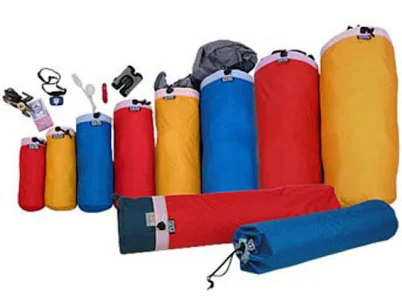
Granite Gear
ToughSack Assorted Colors
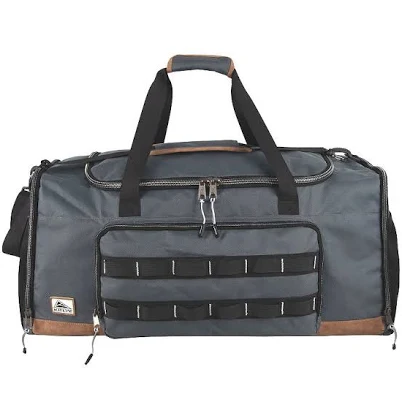
Kelty
Daisy Chain Web Duffel Bag
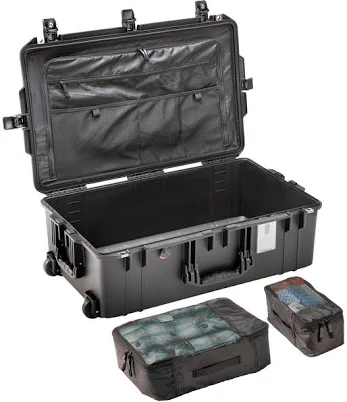
Pelican
1595 Air Travel Case
Model-based grades, not lab tests. We flunk more than we pass. How grading works
PFAS in Waterproof Duffels and Dry Bags, Where Waxed Canvas Stands Out
Waterproof duffels and dry bags keep gear dry using one of three basic approaches, a waxed fabric finish, a polyurethane or TPU coating, or a fluorinated durable water repellent (DWR) spray layered on top of nylon or polyester. Based on available materials and data, traditional waxed canvas built with paraffin or beeswax finishes is the lower-concern option across this category, because it achieves water resistance through wax chemistry rather than perfluorinated compounds. Bags that lean on fluorinated DWR sprays, especially on silnylon shells or "extreme waterproof" marketing, carry a materially higher likelihood of PFAS involvement based on how that finish class is typically formulated industry-wide.
That does not mean every PU-coated or TPU-welded dry bag is a problem, and it does not mean every waxed canvas bag is automatically fine. Coating chemistry varies by factory and by production run, brands rarely disclose fluorine content on a hang tag, and even a well-regarded brand can quietly change a supplier's finish between seasons. What follows is a practical comparison of the main construction types you'll see when shopping for a duffel or dry bag, an honest look at pros and cons for each, and guidance on what language to avoid. Use our product finder to check a specific SKU before you buy, since a single line name can span several different coatings across colorways.
Summary comparison
| Bag construction | PFAS concern level (our estimate) | Verdict |
|---|---|---|
| Waxed canvas (paraffin or beeswax finish) | Lower concern | Our top pick for everyday waterproof duffels, based on available materials and data |
| TPU-welded dry bag (seam-welded thermoplastic polyurethane) | Lower concern | Strong second choice, but check zippers and seam tape separately |
| PU-coated nylon dry bag, no topical DWR listed | Lower to moderate concern | Reasonable, but coating disclosure is inconsistent across brands |
| Silnylon or silpoly dry bag with fluorinated DWR face finish | Moderate to high concern | Avoid unless the brand documents a fluorine-free finish |
| PVC tarpaulin duffel with undisclosed waterproofing agent | Moderate to high concern | Avoid when coating chemistry isn't disclosed |
| Generic "ripstop, fully waterproof" duffel with no material disclosure | Unverified | Treat as unknown until the brand confirms finish chemistry |
These concern levels are directional estimates built from publicly known coating chemistry patterns, not laboratory test results on a specific product. They are meant to help you ask better questions before purchase, not to declare any bag categorically free of PFAS.
Waxed canvas duffels, materials and honest tradeoffs
Waxed canvas is cotton or a cotton-poly blend impregnated with a wax finish, historically paraffin wax, beeswax, or a proprietary blend of the two, sometimes with added oils for flexibility. The water resistance comes from the wax filling the weave, not from a fluoropolymer molecule bonded to each fiber. Several heritage outdoor and workwear brands market their waxed canvas lines specifically around this distinction, stating that their finish is wax-based rather than fluorochemical-based. Those are brand-stated claims found in product descriptions and care guides, and we have not seen independent third-party lab verification confirming zero PFAS across every waxed canvas SKU on the market, so treat the wax-based framing as a strong signal rather than a guarantee.
Pros No reliance on fluorinated chemistry for the primary waterproofing mechanism, based on how wax finishes are conventionally formulated. Long service life, since the wax layer can be reapplied at home with a bar of wax and a hair dryer rather than replacing the bag. Develops a patina that many users prefer aesthetically over synthetic fabrics.
Cons Heavier than synthetic dry bags of the same volume, which matters for backpacking or air travel weight limits. Not fully submersible the way a roll-top TPU dry bag is, since seams and stitching are still points of water entry under sustained pressure. Occasionally paired with a synthetic liner or PU-coated base panel for structure, which reintroduces the need to check that secondary material separately. Some waxed canvas duffels use metal zippers and leather trim treated with separate water repellents that are not part of the canvas itself, so a "waxed canvas" label does not automatically cover every component.
TPU-welded dry bags, materials and honest tradeoffs
Thermoplastic polyurethane (TPU) dry bags are built from a plastic film that is heat-welded rather than sewn, which eliminates needle holes as a water entry point. TPU itself is not a fluoropolymer and is not typically formulated with PFAS as a core ingredient, based on how the material is conventionally produced. Brands in this space often lead with "fully submersible" and "welded, not sewn" language as their core waterproofing claim rather than a DWR spray, which is a reasonable signal that the base fabric doesn't depend on fluorochemical treatment.
Pros Fully submersible construction with no fabric coating to wear off over time, since the waterproofing is structural rather than topical. Lightweight relative to waxed canvas, useful for kayaking, rafting, and backpacking where pack weight matters. Easy to visually inspect for wear, since a compromised weld is usually visible.
Cons Roll-top closures rely on a clean, debris-free seal, so grit or sand at the closure point can let water through regardless of the fabric's chemistry. Zippers, valves, and daisy-chain webbing are often separate materials from the TPU body and may carry their own treatments that aren't disclosed alongside the main fabric claim. Less breathable and less repairable in the field than a waxed canvas bag, since a torn weld generally needs a patch kit or replacement rather than a home wax treatment.
PU-coated nylon dry bags, materials and honest tradeoffs
Polyurethane-coated nylon is the workhorse fabric for mid-range dry bags and duffel liners. The nylon face fabric is coated on the interior with PU, which is generally not a fluorinated chemistry, but many of these same fabrics also receive a separate topical DWR finish on the exterior face to keep the surface from wetting out and looking waterlogged. That topical DWR layer is where fluorochemicals have historically been common industry-wide, even when the base coating is PU. Brand product pages frequently advertise "waterproof" without specifying whether the exterior face finish is fluorinated or fluorine-free, which is a gap worth asking about directly before you buy.
Pros Good balance of weight, cost, and durability for general travel and gym use. Widely available across price points, so you have real choice if a brand confirms a fluorine-free DWR. Coating is usually visible and can be inspected for cracking or delamination over time.
Cons The dual-layer structure, PU coating plus topical DWR, means a "PU-coated" label alone doesn't tell you about the finish on top of it. Face fabric DWR degrades with wear and abrasion, and some replacement treatments sold for reproofing gear are themselves fluorinated products. Brand transparency on the exterior finish is inconsistent, so this category carries more uncertainty than waxed canvas or TPU construction.
Silnylon and silpoly dry bags with fluorinated DWR, materials and honest tradeoffs
Silicone-impregnated nylon or polyester (silnylon or silpoly) is popular in ultralight backpacking dry bags because it packs small and weighs very little. The silicone impregnation itself is not the concern. The concern is that many silnylon dry bags still apply a fluorinated DWR to the face fabric to improve beading and prevent the surface from soaking through, layering fluorochemistry on top of the silicone treatment. Ultralight gear marketing rarely specifies fluorine content, and "silicone-coated" claims on a product page do not tell you anything about the separate face finish.
Pros Extremely lightweight and packable, a real advantage for thru-hiking and backpacking where every gram counts. Silicone impregnation itself holds up well over repeated compression and packing.
Cons Higher likelihood of a fluorinated face treatment based on how this fabric class has traditionally been finished across the outdoor industry. Reproofing products marketed for silnylon gear have historically included fluorinated options, so ongoing maintenance can reintroduce PFAS even if the original finish is later reformulated. Brand disclosure on fluorine content in this category tends to be weaker than in waxed canvas or TPU product lines.
PVC tarpaulin duffels, materials and honest tradeoffs
Heavy-duty PVC tarpaulin duffels are common in marine and work-site markets, prized for abrasion resistance and low cost. PVC waterproofing itself is a distinct chemistry from PFAS, but the plasticizers and surface treatments used to keep PVC flexible and water-shedding vary widely by manufacturer, and budget PVC duffels rarely disclose their specific formulation. Without that disclosure, it's not possible to rule fluorochemical treatment in or out based on available materials and data.
Pros Very abrasion resistant and inexpensive, useful for rough work environments where the bag itself takes a beating. Simple to wipe clean, since the surface is nonporous.
Cons Heavy and stiff compared to canvas or synthetic alternatives. Coating chemistry is the least transparent of any category discussed here, since budget PVC goods rarely publish material safety data sheets to consumers. Given that opacity, this is the category where we'd suggest the most caution before assuming lower concern.
What to avoid
- Marketing language like "extreme waterproof" or "military grade" with no material or finish disclosure behind it, since that phrasing tells you nothing about whether a fluorinated DWR is involved.
- Reproofing sprays and wash-in waterproofers sold for dry bag maintenance unless the product specifically states a fluorine-free formulation, since some of these maintenance products reintroduce PFAS even on an otherwise lower-concern bag.
- Silnylon or silpoly gear that advertises "beading" performance without naming the face finish, since beading is often achieved with a fluorinated topcoat.
- Any duffel or dry bag described only as "stain-resistant" or "liquid-repellent" in addition to waterproof, since stain resistance on fabric has historically correlated with fluorochemical treatments across many product categories, not just bags.
- Zippers, buckles, and webbing trim sold as a separate "water-resistant hardware" upgrade, since these components are frequently treated independently of the main fabric and are rarely covered by a brand's PFAS-free statement about the body fabric.
These same red flags show up outside of duffels too. If you're auditing a broader wardrobe or gear closet, our waterproof boots and waterproof camera and lens protection cases roundups walk through the same DWR and coating questions, and our clothing category page covers technical outerwear where fluorinated DWR has historically been most common.
Our pick
Based on available materials and data, a waxed canvas duffel built on a paraffin or beeswax finish is our recommended starting point for most travel, overnight, and gym use, because its waterproofing mechanism doesn't rely on fluorochemistry in the first place. For fully submersible needs like paddling or boat travel, a TPU-welded roll-top dry bag is a reasonable second choice, provided you separately confirm the zipper, valve, and webbing components aren't independently treated. In both cases, these are model-based estimates from publicly available material descriptions and category-level chemistry patterns, not laboratory test results on a specific bag you're holding in a store. Before buying, ask the brand directly whether their waterproofing finish is fluorine-free and whether that claim has been verified by a third party, since a brand's own statement and independent lab confirmation are not the same thing. You can run a specific model through our finder tool to see if it's already been reviewed.
While you're outfitting a trip, it's worth pairing a lower-concern duffel with hydration and food storage gear that has already scored well in our database. The Hydro Flask 32 oz Wide Mouth Travel Bottle with Flex Straw Cap in Harbor Blue and the Soma 24oz Stainless Steel Water Bottle both carry an Excellent, 100 out of 100 rating in our system, which reflects our model-based estimate from materials and public disclosure rather than an independent lab test. For food storage on the road, the Klean Kanteen Double Wall Vacuum Insulated Stainless Steel Food Canister and the Clearly Filtered 40oz Insulated Stainless Steel Filtered Water Bottle round out a lower-concern packing list. None of these ratings should be read as a claim that a product is absolutely free of PFAS or generically "safe," only that available materials and disclosure data placed it in our top grading tier at the time of review.
Frequently asked questions
Does waxed canvas ever contain PFAS?
Traditional waxed canvas uses paraffin or beeswax as its water-repelling agent, which is a different chemistry from perfluorinated compounds, based on how the finish is conventionally made. However, some duffels labeled "waxed canvas" pair the canvas panels with synthetic liners, coated base panels, or treated hardware that are separate materials with their own finishes, so it's worth checking whether the brand's fluorine-free claim covers the whole bag or just the canvas exterior. Any association between a specific finish and a PFAS-free status should be treated as a brand claim unless a third party has independently verified it.
Is a PU-coated nylon dry bag a reasonable alternative if I can't find waxed canvas?
It can be, based on available materials and data, since the base PU coating is generally not fluorinated chemistry. The main uncertainty is the topical DWR finish that many brands add to the exterior face fabric to keep water from soaking in visually, which has historically been a category where fluorochemicals were common. If the brand publishes a fluorine-free DWR statement, that's a meaningfully better signal than a product page that only says "waterproof" with no finish details.
Can exposure to PFAS-treated gear actually affect health?
Research on PFAS exposure has linked higher blood levels of certain PFAS compounds to a range of health outcomes in population studies, but association in these studies is not the same as proven causation for any individual product or exposure route, including contact with a treated fabric duffel. Direct skin contact with a coated bag is generally considered a lower exposure pathway compared to ingestion or long-term environmental accumulation, though researchers continue to study fabric off-gassing and abrasion as contributing factors. If you want to reduce potential exposure across your gear closet broadly, our waterproof phone cases and product finder pages are good places to keep checking new purchases against.
Now check your own stuff
See every product we’ve graded in this category, best-graded first.
Get the graded list, free.
The products we score each week, and the best-graded alternative in every category.
No spam. Unsubscribe anytime.