By PFAS Authority · Updated September 3, 2026
Top grades to buy
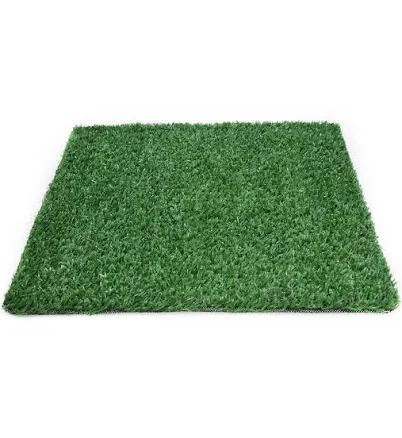
AstroTurf
SeeGreen 5 ft. W X 7 ft. L Green Polypropylene Astroturf
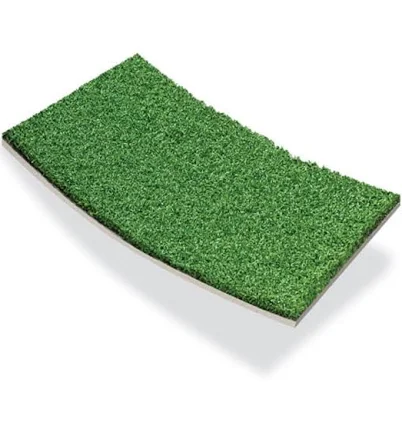
34 Oz Padded Gym Artificial Turf
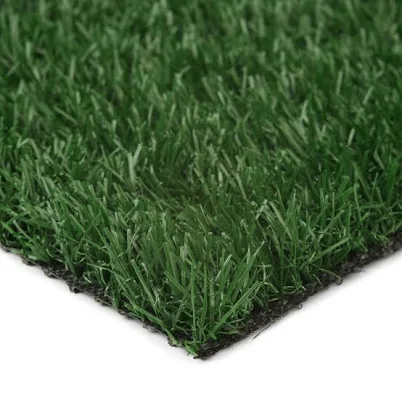
FloorEXP
Event Synthetic Grass Roll
Model-based grades, not lab tests. We flunk more than we pass. How grading works
Is Artificial Turf at Denver Playgrounds Safe From PFAS in 2022?
A Denver neighbor's question about a playground upgrade has put a spotlight on a chemical family most parents have never heard of but increasingly worry about, PFAS, the "forever chemicals" linked to a growing list of health concerns. Here's what's happening at Robinson Park, why artificial turf keeps coming up in PFAS conversations, and what you can actually do about it.
What Happened at Robinson Park?
According to Westword, when Denver Parks and Recreation upgraded the playground at Robinson Park, a nearby resident raised concerns about the artificial turf being installed and whether it might contain PFAS. The city's parks department has said it is monitoring the situation regarding possible PFAS in the turf, though as of the report, no independent testing results confirming contamination had been publicly released. The concern stems from the fact that artificial turf, like many synthetic and weather-resistant materials, has historically been manufactured using PFAS-based coatings or additives in some products.
Why Does Artificial Turf Raise PFAS Concerns?
PFAS (per- and polyfluoroalkyl substances) are a class of thousands of manmade chemicals valued for their ability to repel water, oil, and stains. They show up in everything from rain jackets to cookware to, in some cases, synthetic turf backing and infill. The problem is that PFAS don't break down easily in the environment or the human body, which is why they've earned the nickname "forever chemicals."
Scientific studies have found associations between certain PFAS exposures and health effects including changes in cholesterol levels, immune system responses, and some hormone-related outcomes. These are associations observed in research, not proven cause-and-effect relationships in every individual, and the science continues to evolve. Regulatory agencies, including the EPA, have been tightening guidance on PFAS in drinking water and are increasingly scrutinizing consumer products as well.
Who Is Affected by This?
Families who use Robinson Park's playground, and Denver residents generally who use city recreation facilities, are the most immediate group with questions. But this story matters far beyond one Denver neighborhood. Artificial turf is installed in playgrounds, school athletic fields, and backyards across the country, and purchasing decisions are often made by school districts, parks departments, and homeowners who have little visibility into what's actually in the product they're installing.
This is a broader pattern we see across consumer categories. PFAS Authority's own scoring of 2,092 products found that 44% fail our PFAS and toxin screen. Some categories are especially problematic, our scoring found 100% of camping tents and tarps, waterproof mascaras, ski and snowboard jackets, cycling rain jackets, and rain jackets scored failed our screen. Weather-resistant and water-repellent products, which artificial turf infill can resemble in function, are consistently among the highest-risk categories we've evaluated.
Why Does This Matter for Everyday Consumers?
Most people don't think to ask about chemical coatings on a playground surface, a tent, or a jacket. But manufacturers frequently don't disclose PFAS use unless required to, and even then, disclosure practices vary widely. Some major brands, including Dove, KitchenAid, Amazon Basics, Clinique, Verb, Garnier Fructis, Cantu, and Vanicream, currently disclose nothing about PFAS in their products, according to our review, making it difficult for consumers to make informed choices without independent screening.
It's worth noting that PFAS Authority doesn't put products through laboratory testing. Instead, we score products based on publicly available ingredient lists, material specifications, certifications, and manufacturer disclosures. You can read more about exactly how that process works on our methodology page. This approach lets us evaluate a large number of products efficiently, though it also means our scores reflect what's disclosed (or not disclosed) rather than a direct chemical measurement.
What Should You Do If You're Concerned About Playground Turf?
If you're a parent, school administrator, or parks official weighing in on turf installations, consider these steps.
- Ask for documentation. Request that installers or manufacturers provide written confirmation about whether PFAS were used in the turf backing, fibers, or infill.
- Follow local monitoring. In Denver's case, keep an eye on updates from Denver Parks and Recreation regarding Robinson Park specifically.
- Look for third-party certifications. Some turf and infill products carry certifications indicating reduced or eliminated intentional PFAS use, though certification standards vary.
- Check comparable products. If you're shopping for turf, rain gear, cosmetics, or other items where PFAS commonly show up, you can search our product finder to see how specific items score before you buy.
- Advocate for transparency. Encourage your local parks department or school district to request PFAS disclosure from vendors as a standard part of procurement.
Bottom Line
Denver's Robinson Park situation is a small, local story, but it reflects a nationwide gap, artificial turf and many other everyday products can contain PFAS without clear labeling, leaving consumers and even public agencies to ask questions after installation rather than before. Until testing results or manufacturer disclosures clarify the Robinson Park turf specifically, it's reasonable to treat the situation as one of lower concern pending more information, rather than an immediate alarm. Broader data, including our own screening of thousands of products, suggests PFAS turns up often enough in daily life that asking questions before you buy or install something is a reasonable habit, not overreaction.
FAQ
Does all artificial turf contain PFAS?
Not necessarily. PFAS use varies by manufacturer, product line, and component (such as backing versus infill). Some manufacturers have moved toward PFAS-free formulations, but without specific disclosure or testing, it's often unclear which products contain PFAS and which don't.
Has Denver confirmed PFAS in the Robinson Park turf?
According to Westword's reporting, Denver Parks and Recreation said it is monitoring the situation for possible PFAS, but no confirmed test results were publicly detailed in that report. Residents should watch for official updates from the department.
How can I check if a product I own or plan to buy is a PFAS concern?
You can search our product finder for specific items, and see how we evaluate products by reviewing our methodology, which is based on published ingredients, materials, and disclosures rather than lab testing.
What else we were tracking around this
- Sep 3, 2026Are Playground Surfaces Exposing Kids to Toxic Chemicals in 2022?
- Sep 3, 2026Should Synthetic Turf, Rubber Flooring and Old Tires Be Banned From Playgrounds?
- Sep 2, 2026North Carolina Is Spending $17 Million to Fight PFAS in New Hanover County — What Does It Mean for You in 2026?
- Sep 2, 2026Is Your Tap Water Safe From PFAS in 2026? What the Latest Struggles Mean for You
The latest PFAS news is updated daily.
Now check your own stuff
See every product we’ve graded in this category, best-graded first.
Get the graded list, free.
The products we score each week, and the best-graded alternative in every category.
No spam. Unsubscribe anytime.