By PFAS Authority · Updated September 29, 2026
Top grades to buy

Aisle
Super Hipster
APEC Water Systems
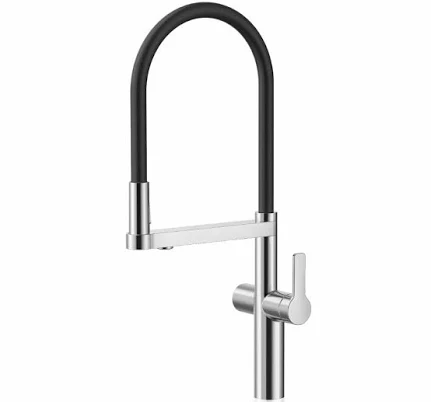
APEC 2-in-1 Pull-Down Kitchen Faucet

Aquasure
Premier Series 75 GPD Under Sink Reverse Osmosis Water Filtration System
Model-based grades, not lab tests. We flunk more than we pass. How grading works
Do ‘Forever Chemicals’ Affect Fertility in 2023? What the New PFAS Study Means for You
A new study has added to growing concern that "forever chemicals", the man-made compounds found in everything from nonstick pans to waterproof jackets, may be linked to fertility struggles in women. The research, reported by The Guardian on April 6, 2023, found that women with higher levels of PFAS in their blood had a 40% lower chance of conceiving within a year of trying, compared with women who had lower PFAS levels.
This isn't the first time PFAS have been in the headlines for health concerns, and it likely won't be the last. Here's what the study actually found, who should pay attention, and what you can realistically do about it.
What Happened in the PFAS Fertility Study?
According to The Guardian's reporting, researchers measured PFAS levels in the blood of women who were trying to conceive and then tracked how long it took them to become pregnant. Women with higher concentrations of these chemicals in their bloodstream were 40% less likely to conceive within a year, a common benchmark doctors use to define infertility.
It's important to be precise about what this means, the study shows an association, not proof that PFAS directly cause infertility. Researchers can't yet say with certainty that the chemicals themselves are responsible, or whether other factors play a role. But the finding adds to a growing body of research connecting PFAS exposure to a range of health concerns, including effects on hormones, thyroid function, and reproductive health.
Who Is Affected by PFAS Exposure?
Nearly everyone. PFAS, short for per- and polyfluoroalkyl substances, are used in thousands of consumer products because they resist water, grease, and stains. They've earned the nickname "forever chemicals" because they don't break down naturally and can persist in the human body and the environment for years.
People are commonly exposed through.
- Nonstick cookware and bakeware
- Water-resistant outdoor gear like rain jackets, tents, and sleeping bags
- Stain-resistant carpets and furniture
- Some food packaging and personal care products
- Drinking water in areas with industrial PFAS contamination
Women who are trying to conceive, pregnant, or breastfeeding may have particular reason to pay closer attention, given this study and prior research on reproductive health, though everyone who uses everyday consumer products is potentially exposed.
Why Does This Matter for Everyday Shoppers?
PFAS aren't just an industrial issue, they're baked into products many households use daily. PFAS Authority's own scoring of 11,067 products found that 40% fail our PFAS and toxin screen. Some categories are especially problematic, our scoring found 100% of camping tents and tarps, rain jackets, cycling rain jackets, sleeping bags, and softshell jackets we evaluated failed the screen.
It's worth noting that these scores come from reviewing published ingredients, materials, certifications, and manufacturer disclosures, not from laboratory testing of each product. That means our screen reflects what's publicly known (or not disclosed) about a product's formulation, which is itself telling, several major brands, including Cuisinart, The North Face, MAC, Calphalon, T-fal, Nike, Columbia, and All-Clad, disclose nothing at all about PFAS in their products, according to our research.
When brands stay silent on PFAS, consumers are left guessing about what they're bringing into their homes, kitchens, and closets, and, as this study suggests, potentially into their bloodstream.
What Can You Do to Lower Your Exposure?
You can't eliminate PFAS exposure entirely, these chemicals are too widespread for that, but you can make more informed choices.
- Check before you buy. Use a tool like our product finder to see how specific cookware, outdoor gear, and household items score on PFAS and toxin disclosure before you purchase.
- Favor brands that disclose. Companies willing to publish ingredient and material information give you more confidence than those that stay silent.
- Be cautious with certain categories. Outdoor gear like rain jackets, tents, and sleeping bags has some of the highest failure rates in our screening, so extra scrutiny is warranted there.
- Consider alternatives. Stainless steel or cast iron cookware, and gear labeled as PFAS-free by third-party certifiers, can reduce potential exposure.
- Talk to your doctor. If you're trying to conceive and have concerns about environmental exposures, a healthcare provider can offer personalized guidance based on your history.
To understand exactly how we evaluate products, see our methodology, which explains how we assess disclosures, certifications, and materials to assign a score.
Bottom Line
A new study links higher PFAS blood levels to a 40% lower chance of conceiving within a year, according to research covered by The Guardian. This is an association, not definitive proof of cause and effect, but it adds urgency to reducing everyday PFAS exposure where you reasonably can. With 40% of products in PFAS Authority's own scoring of 11,067 products failing our screen, and entire categories like tents, rain jackets, and sleeping bags failing at 100%, informed shopping is one practical way to lower your exposure while science continues to catch up.
FAQ
Does this study prove PFAS cause infertility?
No. The study found an association between higher PFAS blood levels and lower odds of conceiving within a year, as reported by The Guardian. It does not prove that PFAS directly cause infertility, and researchers continue to study the mechanisms involved.
How do I know if a product contains PFAS?
Many brands don't disclose this information, which is part of the problem. PFAS Authority scores products based on published ingredients, materials, and certifications; you can check specific items using our product finder.
Which product categories should I be most cautious about?
Based on PFAS Authority's own scoring, outdoor and weather-resistant gear carries higher risk, 100% of the camping tents and tarps, rain jackets, cycling rain jackets, sleeping bags, and softshell jackets we evaluated failed our PFAS and toxin screen.
What else we were tracking around this
- Sep 29, 2026Do ‘Forever Chemicals’ Cause Gut Problems in Kids? What the 2026 Study Means for Parents
- Sep 29, 2026Can PFAS ‘Forever Chemicals’ Really Cut Your Fertility by 40%? What to Know
- Sep 28, 2026Is Your Drinking Water Still Protected From PFAS in 2026? What EPA's Guidance Withdrawal Means for You
- Sep 28, 2026Is Your Drinking Water Safe From ‘Forever Chemicals’ in 2026? What Pennsylvania’s Sludge Crisis Means for You
The latest PFAS news is updated daily.
Now check your own stuff
Search anything you own and get its PFAS grade in seconds.
Get the graded list, free
The products we score each week, and the best-graded alternative in every category.
No spam. Unsubscribe anytime.