By PFAS Authority · Updated September 28, 2026
Top grades to buy

Aisle
Super Hipster
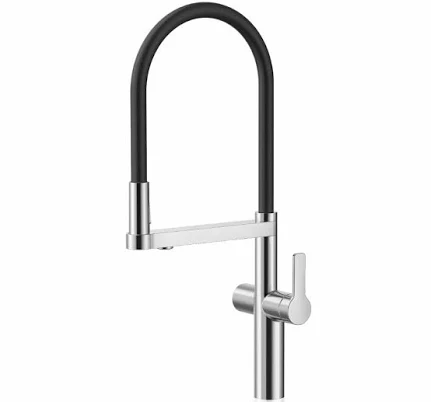
APEC Water Systems
APEC 2-in-1 Pull-Down Kitchen Faucet

Aquasure
Premier Series 75 GPD Under Sink Reverse Osmosis Water Filtration System
Model-based grades, not lab tests. We flunk more than we pass. How grading works
Is Your Drinking Water Still Protected From PFAS in 2026? What EPA's Guidance Withdrawal Means for You
The Environmental Protection Agency has moved to rescind a set of internal guidance documents that were designed to help keep PFAS "forever chemicals" out of the nation's drinking water, according to reporting by The New Lede. The agency has labeled the documents "appropriate for rescission" as part of a broader rollback of chemical safety guidance, raising fresh concerns among public health advocates about the pace and direction of PFAS regulation heading into 2026.
While this news is about federal water policy, it lands alongside another sobering data point closer to home, PFAS Authority's own scoring of 11,218 products found that 41% fail its PFAS and toxin screen. We score items based on published ingredients, materials, certifications, and manufacturer disclosures, not laboratory testing, and the results suggest that gaps in oversight aren't limited to water utilities. They show up on store shelves too.
What Did the EPA Actually Withdraw?
According to The New Lede, the EPA identified several guidance documents related to PFAS in drinking water as candidates for rescission. These documents weren't standalone laws, but they functioned as a practical rulebook, helping water utilities, state regulators, and EPA staff interpret how to monitor for PFAS, when to flag contamination, and what steps to take to limit these chemicals from entering treated water supplies.
Guidance documents like these don't carry the same legal weight as formal regulations, but they often fill in critical operational details that regulations leave vague. Removing them doesn't necessarily change the underlying law, but it can create confusion, inconsistency, or slower action at the local level, particularly in states or utilities that relied on EPA's guidance rather than developing their own standards from scratch.
Who Is Affected by This Rollback?
In practical terms, this affects nearly everyone who drinks tap water in the United States, though the impact will vary by location. Water utilities that leaned on EPA's guidance to structure their PFAS monitoring and treatment programs may now have less clarity on best practices. States with strong independent PFAS standards may see little immediate change, while states without their own robust rules could see oversight weaken.
Communities near industrial sites, airports, and military bases, where PFAS contamination has historically been most severe, are likely to feel the effects first, since these are the areas where guidance on detection and remediation has mattered most.
Why Does This Matter for Your Health?
PFAS chemicals are widely used for their water- and stain-resistant properties, but they don't break down easily in the environment or the human body. Scientific research has associated PFAS exposure with a range of health concerns, including changes in cholesterol levels, immune system effects, and certain cancers, though researchers caution that these are associations observed in studies, not proof that PFAS directly causes these outcomes in every exposed person.
Because PFAS accumulate in the body over time, even low-level, chronic exposure from multiple sources, water, food packaging, textiles, and household products, is a concern that public health experts continue to study. Weakening federal guidance on drinking water doesn't create an immediate crisis for most households, but advocates argue it removes a layer of precaution at a time when scientific understanding of PFAS risks is still evolving.
What Does This Mean Beyond Your Tap?
Drinking water is only one exposure pathway. PFAS Authority's product screening data shows just how widespread these chemicals are in everyday goods. Some categories are especially problematic, 100% of the 316 camping tents and tarps we've scored failed our PFAS and toxin screen, along with 100% of 74 rain jackets, 100% of 72 cycling rain jackets, 100% of 15 sleeping bags, and 100% of 15 softshell jackets.
We've also found that several major brands, including Cuisinart, The North Face, MAC, Calphalon, T-fal, Nike, Columbia, and Adidas, disclose nothing about PFAS in the products we've reviewed, making it difficult for consumers to know what they're bringing into their homes or wearing outdoors.
What Can You Do Right Now?
You can't control federal guidance, but you can take steps to reduce your own exposure.
- Check your water utility's reports. Many utilities publish PFAS testing results online or will provide them upon request.
- Consider a certified water filter. Look for filters specifically tested to reduce PFAS, such as those certified under NSF/ANSI standards for PFAS reduction.
- Scrutinize outdoor and kitchen gear. Waterproof jackets, tents, and nonstick cookware are common PFAS sources. Use PFAS Authority's product finder to check how specific items score before buying.
- Understand how scoring works. Our methodology page explains how we evaluate products from disclosed ingredients, materials, and certifications rather than independent lab testing.
Bottom Line
The EPA's move to withdraw PFAS drinking water guidance, as reported by The New Lede, signals a broader retreat from precautionary chemical oversight at the federal level. It doesn't mean your water is suddenly unsafe, but it does mean fewer federal guardrails are in place to catch problems early. Combined with PFAS Authority's finding that 41% of scored products fail our PFAS and toxin screen, the message for consumers is clear, don't assume the products or water you rely on are automatically low concern, check what you can, and stay informed as guidance and regulations continue to shift.
Frequently Asked Questions
Does this mean my tap water now has PFAS in it?
Not necessarily. This rollback affects internal EPA guidance documents, not a specific announcement that any water supply has become contaminated. However, weakened guidance may make it harder for some utilities to detect and address PFAS consistently going forward.
Are PFAS chemicals dangerous?
Research has associated PFAS exposure with several health concerns, including cholesterol changes, immune effects, and certain cancers. These are statistical associations from scientific studies, not confirmed causes for any individual. Scientists and regulators continue to study long-term health effects.
How can I check if a product I own is a PFAS concern?
You can search PFAS Authority's product finder to see how thousands of items score based on disclosed ingredients, materials, and certifications, as explained in our methodology.
What else we were tracking around this
- Sep 29, 2026Can PFAS ‘Forever Chemicals’ Really Cut Your Fertility by 40%? What to Know
- Sep 29, 2026Do ‘Forever Chemicals’ Affect Fertility in 2023? What the New PFAS Study Means for You
- Sep 28, 2026Is Your Drinking Water Safe From ‘Forever Chemicals’ in 2026? What Pennsylvania’s Sludge Crisis Means for You
- Sep 28, 2026How to Get PFAS Out of Your Drinking Water, a Reader Question Answered
The latest PFAS news is updated daily.
Now check your own stuff
Search anything you own and get its PFAS grade in seconds.
Get the graded list, free
The products we score each week, and the best-graded alternative in every category.
No spam. Unsubscribe anytime.