By PFAS Authority · Updated September 22, 2026
Top grades to buy

Aisle
Super Hipster
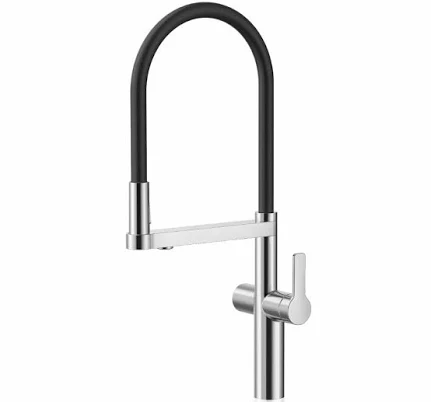
APEC Water Systems
APEC 2-in-1 Pull-Down Kitchen Faucet

Aquasure
Premier Series 75 GPD Under Sink Reverse Osmosis Water Filtration System
Model-based grades, not lab tests. We flunk more than we pass. How grading works
PFAS at Pease, Will the Air Force Finally Act on New Hampshire's Contamination in 2025?
New Hampshire's congressional delegation is turning up the pressure on the U.S. Air Force over long-standing PFAS contamination at the former Pease Air Force Base in Portsmouth. Last week, Senators Jeanne Shaheen and Maggie Hassan, along with Representative Chris Pappas, called on the Air Force to move faster on cleanup and accountability for "forever chemicals" that have plagued the site for years, according to a press release from Rep. Pappas' office.
PFAS contamination isn't just a military-base problem, it shows up in everyday consumer goods too. PFAS Authority's own scoring of 11,156 products found that 41% fail its PFAS and toxin screen, based on published ingredients, materials, and certifications rather than laboratory testing. That means the chemicals raising alarm at Pease are often the same class of substances hiding in gear many households already own.
What Happened at Pease?
Pease Air Force Base, once an active military installation, has been a known PFAS hotspot since firefighting foams containing the chemicals were used there for decades. Those foams, historically required for fire suppression training and emergency response, are now understood to have contaminated groundwater and soil at the site, according to public statements from New Hampshire's congressional delegation.
The delegation's latest letter urges the Air Force to speed up its response, including more transparent testing, faster remediation timelines, and clearer communication with the surrounding community, according to Rep. Pappas' office. This follows years of advocacy by New Hampshire lawmakers who say federal cleanup efforts have moved too slowly relative to the scale of contamination.
Who Is Affected?
Residents near the former base, including families in Portsmouth and neighboring towns, are the most directly affected. Pease has a documented history of PFAS-contaminated drinking water, and some residents who worked or lived on the base have been part of long-term health studies examining potential associations between PFAS exposure and health outcomes.
Beyond Pease, the broader New Hampshire community has a stake in this fight. Groundwater contamination can migrate, and PFAS chemicals are known for persisting in the environment for extremely long periods, a key reason they've earned the nickname "forever chemicals."
Why Does This Matter?
PFAS (per- and polyfluoroalkyl substances) are a large family of synthetic chemicals used for decades in firefighting foam, nonstick cookware, waterproof fabrics, and food packaging. Research has associated exposure to certain PFAS compounds with a range of health concerns, though scientists continue to study the extent and mechanisms of these associations. The Environmental Protection Agency has classified some PFAS as contaminants requiring regulatory attention in drinking water.
Pease matters as a case study because it illustrates how slowly institutional accountability can move even when contamination is well documented. For consumers, it's also a reminder that PFAS exposure doesn't come from just one source, it can come from contaminated water, but also from the products people bring into their homes every day, including cookware, outdoor gear, and textiles.
What Does PFAS Authority's Data Show About Everyday Products?
While the Air Force works through its cleanup obligations at Pease, consumers can take a closer look at their own PFAS exposure through the products they buy. PFAS Authority's screening of thousands of products, based on publicly available ingredient lists, materials disclosures, and certifications, found particularly high failure rates in outdoor gear.
- Camping tents and tarps, 100% failing of 316 products scored
- Rain jackets, 100% failing of 74 products scored
- Cycling rain jackets, 100% failing of 72 products scored
- Sleeping bags, 100% failing of 15 products scored
- Softshell jackets, 100% failing of 15 products scored
Notably, brands including Cuisinart, The North Face, MAC, Calphalon, T-fal, Nike, Columbia, and Adidas currently disclose nothing about PFAS use in their products, according to PFAS Authority's own review. That lack of transparency makes it difficult for shoppers to know what they're bringing home, even as PFAS Authority's screening methodology relies on the information companies do choose to make public.
What Should Consumers Do Now?
If you live near Pease or another site with known PFAS contamination, consider requesting your local water utility's most recent PFAS testing results, which are often publicly available. Households relying on private wells near industrial or military sites may also want to have their water tested independently.
For everyday product choices, shoppers can check specific items using PFAS Authority's product finder before buying outdoor gear, cookware, or textiles known for water- and stain-resistant treatments. Understanding how these scores are calculated, from published disclosures rather than lab testing, is explained in detail on the methodology page.
Choosing products that disclose PFAS-free formulations, or that carry third-party certifications addressing PFAS, may lower, though not eliminate, a household's potential exposure. No product screening can guarantee complete absence of PFAS without direct laboratory testing.
Bottom Line
New Hampshire's congressional delegation is pushing the Air Force to accelerate cleanup at Pease, a site with a long history of PFAS contamination tied to firefighting foam use. While that process unfolds at the federal level, consumers can take independent steps, checking local water testing data and using tools like PFAS Authority's finder, to better understand their own potential PFAS exposure from both water and everyday products.
Frequently Asked Questions
Is the water near Pease Air Force Base safe to drink?
Public water systems near Pease have implemented treatment measures following past PFAS detections, according to New Hampshire officials, but ongoing contamination concerns are precisely why the congressional delegation is urging faster Air Force action. Residents with specific concerns should check current testing results from their local water utility.
What is PFAS and why is it called a "forever chemical"?
PFAS refers to a large group of manmade chemicals used for their water-, stain-, and heat-resistant properties. They're called "forever chemicals" because their chemical bonds resist breakdown in the environment and, research suggests, in the human body, persisting for long periods.
How can I check if a product I own contains PFAS?
Start by looking at the manufacturer's ingredient or materials disclosures, if available. You can also search specific products using PFAS Authority's product finder, which scores items based on published disclosures and certifications rather than direct lab testing.
What else we were tracking around this
- Sep 23, 2026Does Tap Water Contain Fertility-Harming Forever Chemicals in 2026?
- Sep 23, 2026Do Forever Chemicals in Tap Water Affect Fertility in 2026?
- Sep 22, 2026How Can You Lower Your PFAS Exposure in 2026?
- Sep 22, 2026Is Your Drinking Water Safe from PFAS in 2026? What EPA's New Proposals Mean for You
The latest PFAS news is updated daily.
Now check your own stuff
Search anything you own and get its PFAS grade in seconds.
Get the graded list, free
The products we score each week, and the best-graded alternative in every category.
No spam. Unsubscribe anytime.