By PFAS Authority · Updated October 2, 2026
Top grades to buy

Aisle
Super Hipster
APEC Water Systems
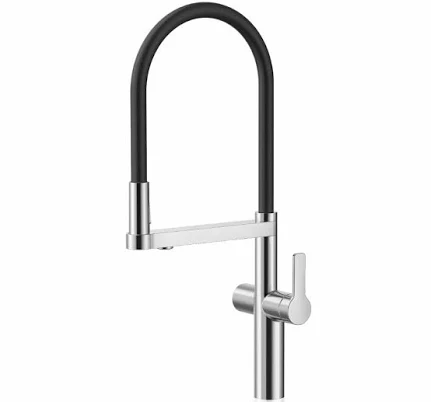
APEC 2-in-1 Pull-Down Kitchen Faucet

Aquasure
Premier Series 75 GPD Under Sink Reverse Osmosis Water Filtration System
Model-based grades, not lab tests. We flunk more than we pass. How grading works
Can New Cleanup Technology From Parsons Finally Get PFAS Out of the Environment in 2026?
Parsons Corporation, a major environmental engineering and infrastructure firm, announced on July 6, 2026, that it is advancing a suite of integrated technologies designed to remove and destroy PFAS "forever chemicals" from contaminated soil, groundwater, and water supplies, according to Parsons. The announcement comes as communities across the country continue to grapple with PFAS contamination in drinking water sources near military bases, airports, and industrial sites.
While cleanup technology makes headlines, most consumer exposure to PFAS doesn't come from contaminated groundwater alone, it comes from everyday products. PFAS Authority's own scoring of 11,144 products found that 41% fail its PFAS and toxin screen, underscoring just how widespread these chemicals remain in items people buy every day. You can explore how specific products score using our product finder.
What Did Parsons Announce?
According to Parsons, the company is combining several remediation approaches, including advanced filtration, foam fractionation, and destructive technologies that break down PFAS molecules rather than simply capturing them, into integrated treatment systems. The goal, Parsons says, is to move beyond older methods that merely trap PFAS in filters (which then have to be disposed of or regenerated) toward solutions that actually destroy the chemical bonds that make PFAS so persistent in the environment.
Parsons describes this as part of a broader industry shift toward "treatment trains", layered systems that first remove PFAS from water and then destroy the concentrated waste stream, reducing the long-term liability of stockpiled contaminated material.
Who Does This Affect?
Remediation technology like this is primarily aimed at site owners, municipalities, and government agencies responsible for cleaning up contaminated groundwater and soil, particularly at current and former military installations, firefighting training areas, and industrial manufacturing sites where PFAS-containing foams and products were used for decades. Residents who rely on public or private wells near these sites are the most directly affected population, since contaminated groundwater can migrate into drinking water supplies.
Indirectly, this affects nearly everyone, since PFAS cleanup costs and timelines influence water utility rates, environmental cleanup funding, and the pace at which contaminated sites are addressed nationwide.
Why Does This Matter?
PFAS, or per- and polyfluoroalkyl substances, are a large family of synthetic chemicals that have been used since the 1940s in products ranging from nonstick cookware to firefighting foam to water-resistant fabrics. They are often called "forever chemicals" because they resist breaking down naturally, allowing them to accumulate in soil, water, and the human body over time.
Scientific research has associated exposure to certain PFAS compounds with a range of health concerns, including effects on cholesterol levels, immune response, and liver function, among others, though researchers continue to study the strength and nature of these associations rather than establishing direct causation in every case. Because PFAS contamination is so widespread and persistent, remediation technology that can actually destroy these compounds, rather than just relocate them, represents a meaningful step toward reducing long-term environmental exposure.
That said, cleanup technology addresses contamination that has already happened. It doesn't change the fact that PFAS chemicals are still being added to many consumer products today, which is a separate and ongoing source of exposure.
What Can Consumers Do Right Now?
Environmental remediation takes years, and most readers have little direct control over how quickly a contaminated site near them gets cleaned up. But there are steps people can take to reduce their own PFAS exposure in the meantime.
- Check your water supply. Many water utilities publish annual water quality reports that include PFAS testing results. If you're on a private well near an industrial or military site, consider independent testing.
- Use a certified filter. Look for water filtration systems certified to reduce PFAS, and replace filter cartridges on schedule.
- Scrutinize product labels. PFAS show up in cookware, outdoor gear, carpeting, and food packaging. PFAS Authority's scoring, based on published ingredients, materials, certifications, and brand disclosures rather than laboratory testing, has found entire product categories where every item scored failed its PFAS and toxin screen, including camping tents and tarps, rain jackets, cycling rain jackets, sleeping bags, and softshell jackets, all at 100% failing.
- Know which brands disclose the least. Cuisinart, The North Face, MAC, Calphalon, T-fal, Nike, Columbia, and All-Clad are brands that currently disclose nothing about PFAS use in their products, according to PFAS Authority's data, making it harder for shoppers to make informed comparisons.
- Use tools designed for this. You can search specific products and brands using our finder, and learn how scores are calculated on our methodology page.
Bottom Line
Parsons' integrated remediation technologies represent genuine progress on cleaning up legacy PFAS contamination in soil and water, according to the company. But cleanup and prevention are two different challenges. Even as contaminated sites get treated, many consumer products on store shelves today still contain PFAS, and brand disclosure remains inconsistent at best. Reducing your household exposure now means pairing awareness of remediation news with informed, label-conscious shopping, not waiting for a cleanup crew to solve a problem that starts on the store shelf.
FAQ
Does new remediation technology mean my tap water is now free of PFAS?
Not automatically. Remediation projects target specific contaminated sites and take time to implement. Check your local water utility's reports or consider independent testing to understand your specific exposure, especially if you live near an industrial or military site.
Are products labeled "PFAS-free" automatically lower concern?
Labeling practices vary, and "PFAS-free" claims aren't independently verified in all cases. PFAS Authority scores products based on publicly available ingredients, materials, certifications, and brand disclosures, which can help identify items of lower concern, though this is not the same as laboratory testing of every product.
Which product categories should I be most cautious about?
Based on PFAS Authority's scoring, outdoor and weather-resistant gear carries particularly high risk, categories like camping tents and tarps, rain jackets, and sleeping bags showed 100% failing rates among products scored. Cookware and nonstick items are another common source worth checking before you buy.
What else we were tracking around this
- Oct 2, 2026PFAS Remediation in 2026, What It Costs, Who Pays, and What It Means for Your Water and Gear
- Oct 2, 2026Can New PFAS Destruction Tech Finally Clean Up Forever Chemicals in 2026?
- Oct 1, 2026Europe's 25 ppb PFHxA Rule in 2026, What It Means for Your Rain Jacket and Outdoor Gear
- Oct 1, 2026Can the EU's REACH Regulation Finally Stop Forever Chemicals in 2026?
The latest PFAS news is updated daily.
Now check your own stuff
Search anything you own and get its PFAS grade in seconds.
Get the graded list, free
The products we score each week, and the best-graded alternative in every category.
No spam. Unsubscribe anytime.