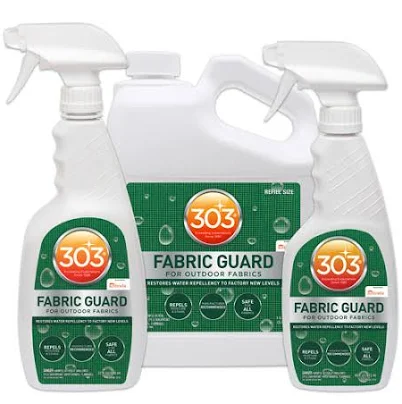
303 Protectant · Fabric Stain Guard Sprays
303 Fabric Guard 2 oz
Likely contains PFAS. No ingredient transparency from the brand.
This water and stain repellent for fabrics typically relies on PFAS ingredients, yet the manufacturer remains silent on what goes into their formula.
Still want this one anyway? Check the price on Amazon. We’d swap it.
Material
Silicone-based water and stain repellent coating
Brand disclosure
Brand is silent on PFAS
Lab data
No public lab test
You may also be interested in
Top-graded picks in the categories readers replace first, every one scored on the same rubric.

- polypropylene filter housing, carbon/sediment cartridge
- We found no PFAS statement from the brand
- Bacterial growth in spent cartridges
3 hazards checked on this product, all on its full breakdown.

Aquasure
Premier Series 75 GPD Under Sink Reverse Osmosis Water Filtration System
- RO membrane, carbon filters, stainless steel housing
- We found no PFAS statement from the brand
- Bacterial and microbial growth in housing and filters
4 hazards checked on this product, all on its full breakdown.

Avocado
Vegan Mattress
- organic cotton, natural latex, coconut coir, recycled steel coils
- The brand calls it PFAS-free, which we have not verified
- Heavy metals
2 hazards checked on this product, all on its full breakdown.
What 303 Fabric Guard 2 oz is made of, ingredients and materials
303 Fabric Guard is a silicone-based water and stain repellent spray designed for outdoor and indoor textiles. Silicone polymers themselves are generally stable and low-toxicity, but water and stain repellents in this product class are historically formulated with fluorinated compounds (PFAS) to achieve their water-shedding properties. The brand provides no ingredient list or chemistry breakdown for this 2 oz aerosol, making independent verification of PFAS presence impossible from public sources.
What’s concerning
Category baseline
The starting point for this type of product, before anything specific to this product is counted.
No PFAS disclosure
No public statement from the brand about PFAS in this product.
Waterproof / stain-resistant treatment
Water-repellent coating treatments have historically used PFAS.
Inhalation of aerosol/silicone particles
Aerosol spray inhalation can irritate respiratory tract; risk is low if used outdoors or in ventilated spaces. 303 provides no warnings specific to inhalation duration or susceptible populations.
Coating buildup and fabric property changes
Repeated applications of silicone-based protectants can reduce breathability and alter hand-feel of technical and natural-fiber textiles over time. Not a toxicological hazard but a durability and performance issue documented in outdoor gear forums.
Undisclosed volatile organic compounds (VOCs)
As an aerosol, this product likely contains solvents and propellants not listed on the 2 oz label. Typical silicone spray formulations include hydrocarbons or dimethyl ether; specific composition unknown for this brand.
PFAS
Water and stain repellents in this product class are historically PFAS-based; the brand's total silence on this chemistry strongly suggests PFAS use. No public commitment to avoiding fluorocarbon chemistry is documented.
Source, ATSDR ↗Lack of safety data sheet access
Consumer-grade 2 oz bottles typically do not include full SDS; the brand does not appear to publish them online. This limits ability to verify specific hazards or allergenic ingredients.
How is this PFAS grade calculated?
The brand's record and disclosure
303 Products (brand under Armor All/Energizer ownership) does not publicly disclose PFAS status, full ingredient lists, or safety certifications for this fabric guard line. The parent company has not made commitments to phase out PFAS-based chemistries. No product-specific recalls or safety incidents appear in public databases, but absence of disclosure is not absence of hazard. This contrasts with transparent competitors who label PFAS-free or publish safety data sheets.
How it compares in its category
Fabric protectants vary widely, some use silicone systems not linked to PFAS, others still rely on fluorocarbons. 303 Fabric Guard sits in the middle-cost segment without transparent chemistry, making comparison difficult. Brands like Nikwax and Granger's now market PFAS-free alternatives; 303's silence on this choice is a relative weakness in informed consumer markets. For outdoor gear specifically, options with silicone systems not linked to PFAS are now readily available.
If you buy it
Apply only in well-ventilated areas; aerosol inhalation of silicone particles is a minor respiratory irritant risk. Test on hidden seams first, as silicone can affect breathability of technical fabrics. Reapply every 6-12 months depending on use and washing frequency. Store away from heat and flame (aerosol can). Do not use on food-contact textiles (cloth napkins, kitchen towels). If PFAS disclosure remains unavailable and you have environmental concerns, consider switching to documented PFAS-free brands.
What is not known about PFAS in this product?
- Basis
- Model estimate, 45% confidence, not a lab result
- Lab test
- None on record for this exact product
- Brand statement
- 303 Protectant has made none
Formulations change between production runs, so check the current label. How we grade.
What are the PFAS-free alternatives to 303 Fabric Guard 2 oz?
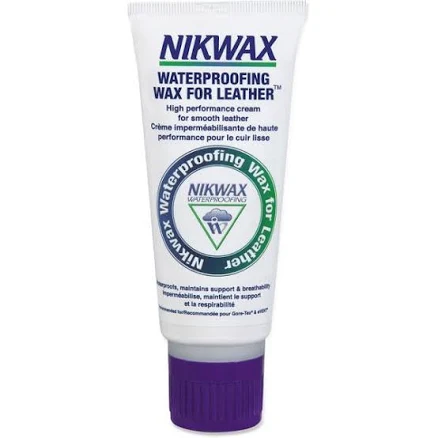
- wax-based waterproofing
- The brand calls it PFAS-free, which we have not verified
- Respiratory irritation or fume inhalation during application
2 hazards checked on this product, all on its full breakdown.
Find an alternative on Amazon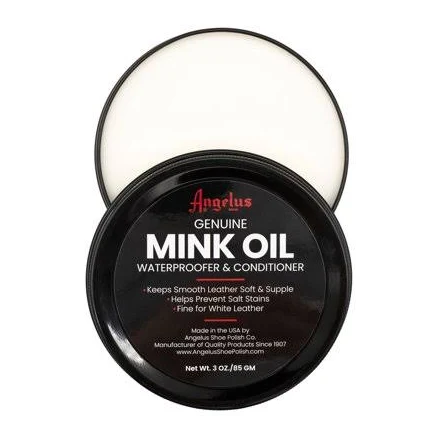
- mink oil paste, natural oil-based conditioner
- We found no PFAS statement from the brand
- Microbial growth (natural oil rancidity)
2 hazards checked on this product, all on its full breakdown.
Find an alternative on Amazon- Polyester with silicone-based water-repellent coating
- The brand calls it PFAS-free, which we have not verified
- Coating degradation and microplastic shedding
2 hazards checked on this product, all on its full breakdown.
Find an alternative on AmazonMore fabric stain guard sprays grades
How we score, every product runs through the same public 0-100 rubric based on materials, coatings, brand disclosure, lab findings, and recalls. See the full methodology → Spotted a mistake? Report an error.