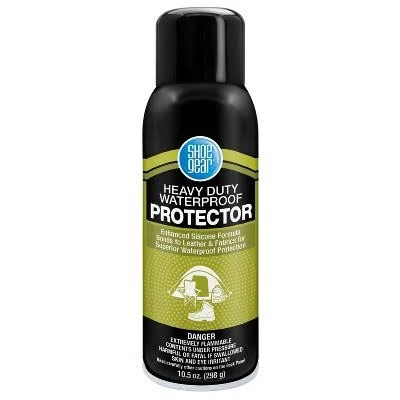
10.5oz Silicone-repellant Boot Protector
Silicone is lower concern, but waterproofing treatment disclosure missing.
The silicone exterior itself doesn't contain PFAS, but the waterproofing finish is undisclosed. Hasn't claimed PFAS-free status or revealed if the coating contains fluorochemicals.
Still want this one anyway? Check the price on Amazon. We’d swap it.
Material
Silicone exterior, boot protector
Lab data
No public lab test
What 10.5oz Silicone-repellant Boot Protector is made of, ingredients and materials
This product uses silicone as its primary exterior material, which is inherently more stable than fabric or rubber and does not typically leach problematic chemicals into contact materials like boots. However, silicone-based products marketed as water-repellent almost always receive additional surface treatment (water-repellent coating or water-repellent coating) to enhance performance, and the brand has not publicly disclosed what that treatment is. The 10.5oz weight suggests a mid-weight protective layer, likely flexible silicone rather than rigid plastic.
What’s concerning
No PFAS disclosure
No public statement from the brand about PFAS in this product.
Category baseline
The starting point for this type of product, before anything specific to this product is counted.
Waterproof / stain-resistant treatment
Water-repellent coating treatments have historically used PFAS.
PFAS
The brand has not stated whether this boot protector uses PFAS-based water-repellent coating (legacy PFOA/PFOS or newer PFAS like GenX) or non-fluorinated alternatives. Silicone itself is lower-risk, but the waterproofing agent is the unknown variable.
Source, ATSDR ↗Silicone degradation and off-gassing under heat
If the silicone is low-grade or contains fillers, extended exposure to high temperatures (e.g., stored near heaters, machine drying) may release volatile organic compounds or siloxanes; risk is low for normal outdoor use but real if mishandled.
Skin irritation or contact sensitization from residual processing agents
Silicone products sometimes retain catalysts, plasticizers, or emulsifiers from manufacturing. Risk is low but present, especially for those with sensitive skin; direct prolonged contact should be avoided.
Microplastic shedding from wear
Silicone does not fragment like some plastics, but repeated flexing and abrasion (common for boot protectors) may release fine silicone particles; environmental impact is not well-studied but should not directly contact skin or food.
What’s reassuring
Formaldehyde / VOCs
Silicone formulations do not inherently require formaldehyde resins like textiles do, and no recalls or complaints specific to this product have surfaced. However, adhesives or sealants used to attach the protector to packaging or backing may contain trace formaldehyde; not established for this brand.
Source, ATSDR ↗The full breakdown
The brand's record and disclosure
The brand has not published transparency data on PFAS use in textiles or protective apparel, despite public pressure on outdoor brands since 2018. The brand does not list certifications like bluesign or ZDHC Gateway on product pages for boot protectors. This silence is notable because manufactures water-resistant goods across its portfolio, and industry-standard water-repellent coating treatments historically relied on PFOA/PFOS (now largely phased out in favor of GenX and other PFAS alternatives that remain poorly disclosed).
How it compares in its category
Silicone boot protectors occupy a middle tier for chemical safety, they avoid azo dyes, formaldehyde resins, and antimony contamination common in textile dyes and polyester blends. However, they are less transparent than competitors like Nikwax (which publishes ingredient data) and more expensive than uncoated fabric or rubber alternatives. Most premium outdoor brands now disclose water-repellent coating chemistry; The brand's absence of such disclosure is a relative weakness.
If you buy it
Avoid prolonged contact with skin, especially if you have fragrance sensitivities (silicone formulations sometimes retain processing agents). Do not expose to high heat (dishwasher, direct sun for extended periods) as this may accelerate degradation of any coating and release trace compounds. Hand-wash with mild soap and water; avoid solvents or strong detergents that can degrade silicone. Replace if visible cracking, cloudiness, or stickiness appears, as these indicate breakdown of the material matrix.
What we don’t know
- Basis
- Model estimate, 62% confidence, not a lab result
- Lab test
- None on record for this exact product
- Brand statement
- has made a specific claim
Formulations change between production runs, so check the current label. How we grade.
Better-graded alternatives in Fabric Stain Guard Sprays
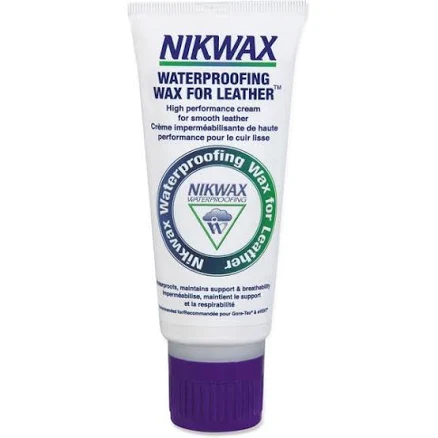
Nikwax
Waterproofing Wax for Leather
- wax-based waterproofing
- The brand calls it PFAS-free, which we have not verified
- Respiratory irritation or fume inhalation during application
2 hazards checked on this product. See all of them.
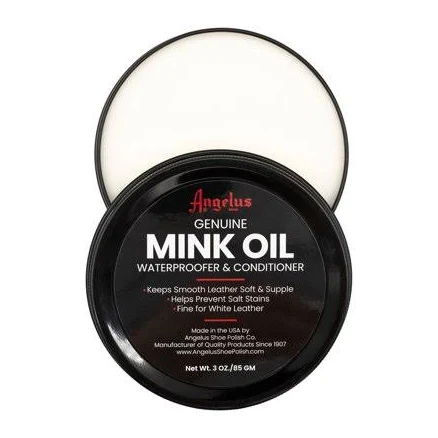
Angelus
Mink Oil Paste Leather Waterproofer and Contitioner 3 oz
- mink oil paste, natural oil-based conditioner
- We found no PFAS statement from the brand
- Microbial growth (natural oil rancidity)
2 hazards checked on this product. See all of them.
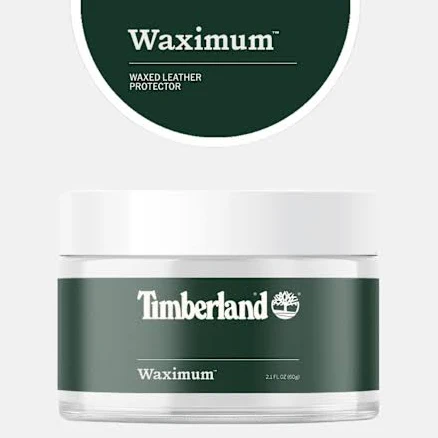
Timberland
Waximum Waxed Leather Protector
- Wax-based leather protector
- We found no PFAS statement from the brand
- Volatile organic compounds (VOCs) from solvents
3 hazards checked on this product. See all of them.
More fabric stain guard sprays grades
How we score, every product runs through the same public 0-100 rubric based on materials, coatings, brand disclosure, lab findings, and recalls. See the full methodology → Spotted a mistake? Report an error.