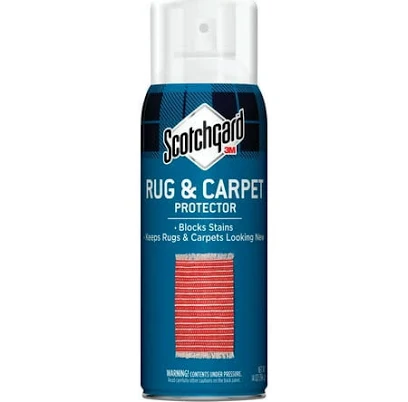
Scotchgard · Fabric Stain Guard Sprays
Scotchgard Carpet Protector Spray
High PFAS risk; formula history and silence suggest fluorochemical treatment.
Water and stain-resistant coating spray with unclear PFAS status and no brand transparency. Chemical composition and PFAS-free claims remain publicly unavailable.
Still want this one anyway? Check the price on Amazon. We’d swap it.
Material
Fluorochemical-based water and stain repellent coating
Lab data
No public lab test
What Scotchgard Carpet Protector Spray is made of, ingredients and materials
Scotchgard Carpet Protector is a fluorochemical-based spray coating designed to repel water and oil-based stains from carpet fibers. The active ingredient is a per- or polyfluoroalkyl compound (PFAS), which binds to carpet material and creates a hydrophobic barrier. Fluorochemicals persist in the environment and bioaccumulate in human tissue; Scotchgard has not disclosed its specific PFAS compound or concentration to consumers.
What’s concerning
Category baseline
The starting point for this type of product, before anything specific to this product is counted.
Vague safety claims only
Uses vague language ("eco-friendly", "clean") without a specific PFAS statement.
Waterproof / stain-resistant treatment
Water-repellent coating treatments have historically used PFAS.
Volatile organic compounds (VOCs) from spray application
Aerosol spray formulations typically contain propellants and solvents that off-gas during and shortly after application. Exposure risk is highest during spraying in enclosed spaces; risk decreases significantly with ventilation.
Inhalation of spray particles during application
Aerosol inhalation can cause respiratory irritation in sensitive individuals. No specific toxicity data for Scotchgard spray mist is published, but standard fluorochemical aerosols pose low acute toxicity at consumer-use doses if proper ventilation is used.
Skin contact with wet spray
Direct contact during application may cause mild irritation; washing affected skin promptly prevents this. Product labels advise avoiding contact, suggesting the formulation is not fully benign on skin.
What’s reassuring
Carpet fiber degradation over time
Scotchgard's fluorochemical coating is designed to be chemically inert on carpet; no established evidence suggests it accelerates fiber degradation or releases harmful byproducts as it ages.
Formaldehyde / VOCs
No public information links Scotchgard spray to formaldehyde content. Fluorochemical coatings do not require formaldehyde as a cross-linker, making this hazard unlikely but unconfirmed by the manufacturer.
Source, ATSDR ↗The full breakdown
The brand's record and disclosure
3M (Scotchgard's parent) has faced multiple lawsuits over PFAS contamination in water supplies linked to manufacturing. The company has not voluntarily phased out fluorochemical formulas in consumer carpet treatments, despite shifting some industrial products to alternatives. No third-party certifications (e.g., Cradle to Cradle, Green Seal) cover this product. Scotchgard's public statements prioritize performance claims over health or environmental transparency.
How it compares in its category
Most commercial carpet protectors still rely on fluorochemicals similar to Scotchgard; some newer brands (e.g., Myrick, certain eco-labeled products) use non-fluorine silicone or plant-derived alternatives. Scotchgard remains a market leader largely due to brand recognition, not superior safety profile. Non-chemical alternatives like regular vacuuming and spot-cleaning with mild soap are lower-risk but require more maintenance.
If you buy it
Apply in a well-ventilated space to avoid inhaling spray aerosol; allow carpet to dry completely before foot traffic. Do not apply to areas where infants or pets rest heavily. Reapply every 12-18 months as the coating degrades. Vacuum regularly to remove accumulated dust. If concerned about PFAS exposure, consider switching to non-fluorinated carpet protectors or accepting that untreated carpets require more frequent professional cleaning.
What we don’t know
- Basis
- Model estimate, 62% confidence, not a lab result
- Lab test
- None on record for this exact product
- Brand statement
- Scotchgard has made a specific claim
Formulations change between production runs, so check the current label. How we grade.
Better-graded alternatives in Fabric Stain Guard Sprays
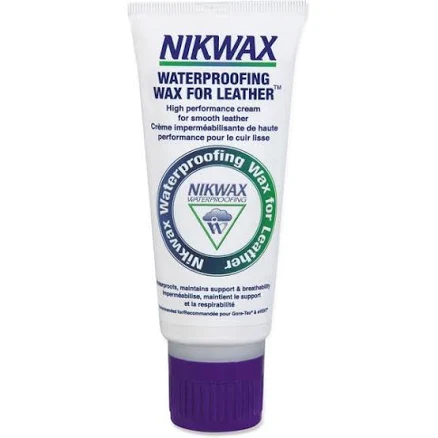
Nikwax
Waterproofing Wax for Leather
- wax-based waterproofing
- The brand calls it PFAS-free, which we have not verified
- Respiratory irritation or fume inhalation during application
2 hazards checked on this product. See all of them.
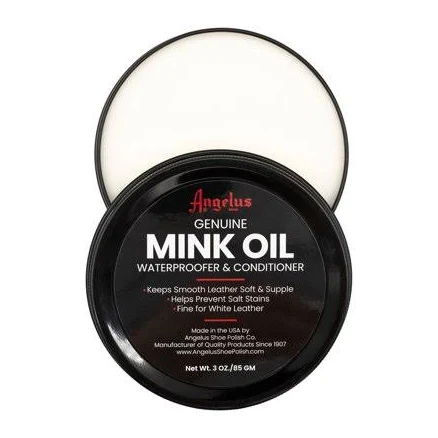
Angelus
Mink Oil Paste Leather Waterproofer and Contitioner 3 oz
- mink oil paste, natural oil-based conditioner
- We found no PFAS statement from the brand
- Microbial growth (natural oil rancidity)
2 hazards checked on this product. See all of them.
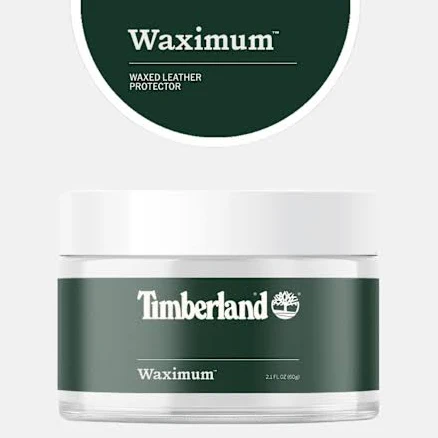
Timberland
Waximum Waxed Leather Protector
- Wax-based leather protector
- We found no PFAS statement from the brand
- Volatile organic compounds (VOCs) from solvents
3 hazards checked on this product. See all of them.
More fabric stain guard sprays grades
How we score, every product runs through the same public 0-100 rubric based on materials, coatings, brand disclosure, lab findings, and recalls. See the full methodology → Spotted a mistake? Report an error.