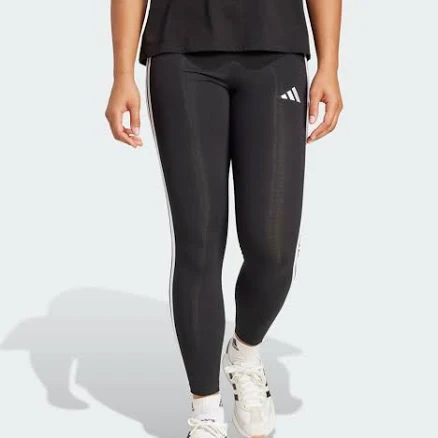
Women's adidas Essentials 3 Stripes Leggings
Lower concern, basic synthetic leggings without performance coatings.
Adidas Essentials leggings are standard polyester-blend athletic wear with no marketed water-repellent, stain-resistant, or other performance treatments requiring PFAS. The brand has not disclosed PFAS policies.
Still want this one anyway? Check the price on Amazon. We’d swap it.
Material
Polyester blend (likely nylon/elastane mix); no water-repellent or stain-resistant finish described
Lab data
No public lab test
You may also be interested in
Top-graded picks in the categories readers replace first, every one scored on the same rubric.

- polypropylene filter housing, carbon/sediment cartridge
- We found no PFAS statement from the brand
- Bacterial growth in spent cartridges
3 hazards checked on this product, all on its full breakdown.

Aquasure
Premier Series 75 GPD Under Sink Reverse Osmosis Water Filtration System
- RO membrane, carbon filters, stainless steel housing
- We found no PFAS statement from the brand
- Bacterial and microbial growth in housing and filters
4 hazards checked on this product, all on its full breakdown.

Avocado
Vegan Mattress
- organic cotton, natural latex, coconut coir, recycled steel coils
- The brand calls it PFAS-free, which we have not verified
- Heavy metals
2 hazards checked on this product, all on its full breakdown.
What Women's adidas Essentials Stripes Leggings is made of, ingredients and materials
Adidas Essentials 3 Stripes Leggings are a polyester-nylon-elastane blend without water-repellent or stain-resistant finishes, meaning no PFOA/PFOS water-blocking coatings are present. Polyester is a thermoplastic synthetic derived from petroleum; nylon adds stretch and durability, while elastane (spandex) provides recovery. The absence of specialized chemical treatments reduces exposure to problematic durable organic pollutants common in performance fabrics.
What’s concerning
Category baseline
The starting point for this type of product, before anything specific to this product is counted.
No PFAS disclosure
No public statement from the brand about PFAS in this product.
Formaldehyde / VOCs
Polyester-nylon blends are routinely dyed and cross-linked with formaldehyde-based resins (methylol compounds) for color fastness and wrinkle resistance. No formaldehyde-free certification is claimed for this product, so residual formaldehyde content cannot be ruled out, though levels in untreated basic apparel are typically low.
Source, ATSDR ↗Azo dyes and allergens
Polyester apparel commonly uses azo dyes, some of which can release aromatic amines under sweat or UV exposure in sensitive individuals. Adidas does not provide azo-dye restrictions or certifications for this line; standard industry practice assumes some azo colorants may be present.
Elastane (spandex) breakdown and leaching
Elastane fibers can degrade under heat, chlorine, and UV, potentially releasing oligomers (small polymer fragments). This is not a known acute hazard but occurs naturally over product lifespan; lower heat laundering and air drying minimize this.
Microplastics
All synthetic apparel sheds microfibers during washing; polyester-nylon blends contribute to aquatic microplastic accumulation. This is an environmental hazard rather than a direct consumer health risk, but washing in cold water and air drying may reduce shedding rates.
Source, EPA ↗What’s reassuring
Base material not linked to PFAS
The main material recorded for this product is not one associated with PFAS.
Antimony in polyester
Antimony trioxide is a catalyst used in polyester production and typically remains bound within the polymer matrix; no evidence of leaching in basic untreated polyester apparel has been established in available literature.
How is this PFAS grade calculated?
The brand's record and disclosure
Adidas has not made a public commitment to phasing out PFAS in all product lines, though the company does report some sustainability efforts through third-party certifications. The brand does not routinely disclose chemical content for standard apparel. No major recalls or chemical contamination incidents have been publicly documented for this specific product line. Transparency on formaldehyde resin use in dyeing and finishing is typical of the industry (not disclosed by most brands).
How it compares in its category
This is a basic, non-technical activewear item without performance coatings or water repellency, placing it below typical outdoor/performance leggings in terms of chemical treatment burden. Most major sportswear brands use similar polyester-elastane formulations for entry-level leggings; Adidas's version carries standard industry risk profile. More premium technical leggings (those marketed as moisture-wicking or waterproof) often carry higher PFAS and formaldehyde-resin loads.
If you buy it
Wash in cool water (below 40°C/104°F) before first wear to reduce residual dyes and finishes; warm water is acceptable for routine laundering. Avoid high heat (tumble dry low or air dry) to prevent elastic degradation and synthetic material brittleness over time. Replace when elastane loses recovery (waistband sagging, fabric bagging at hips) typically after 2-3 years of regular wear. Store in a dry place away from direct sunlight to slow polyester photo-oxidation.
What is not known about PFAS in this product?
- Basis
- Model estimate, 72% confidence, not a lab result
- Lab test
- None on record for this exact product
- Brand statement
- Adidas has made a specific claim
Formulations change between production runs, so check the current label. How we grade.
More activewear grades
How we score, every product runs through the same public 0-100 rubric based on materials, coatings, brand disclosure, lab findings, and recalls. See the full methodology → Spotted a mistake? Report an error.