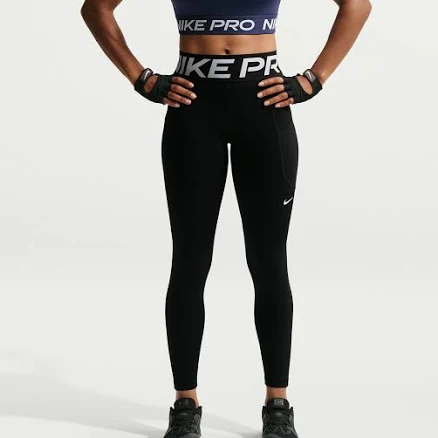
Nike Women's Pro Sculpt High-Waisted 7/8 Leggings with Pockets
Lower-concern basic leggings, no PFAS-treatment triggers detected.
Nike's Pro Sculpt leggings are standard nylon and spandex stretch-fabric athletic wear with no disclosed water-repellent or stain-resistant finish. Nike remains silent on PFAS practices brand-wide.
Still want this one anyway? Check the price on Amazon. We’d swap it.
Material
Nylon/spandex blend (no water-repellent coating)
Lab data
No public lab test
You may also be interested in
Top-graded picks in the categories readers replace first, every one scored on the same rubric.

- polypropylene filter housing, carbon/sediment cartridge
- We found no PFAS statement from the brand
- Bacterial growth in spent cartridges
3 hazards checked on this product, all on its full breakdown.

Aquasure
Premier Series 75 GPD Under Sink Reverse Osmosis Water Filtration System
- RO membrane, carbon filters, stainless steel housing
- We found no PFAS statement from the brand
- Bacterial and microbial growth in housing and filters
4 hazards checked on this product, all on its full breakdown.

Avocado
Vegan Mattress
- organic cotton, natural latex, coconut coir, recycled steel coils
- The brand calls it PFAS-free, which we have not verified
- Heavy metals
2 hazards checked on this product, all on its full breakdown.
What Nike Women's Pro Sculpt Pockets is made of, ingredients and materials
This leggings uses a nylon and spandex (elastane) blend without water-repellent or stain-resistant finish, meaning no fluorinated chemicals are applied to repel sweat or dirt. Nylon is a synthetic polyamide that does not leach monomers into skin under normal wear conditions. Spandex provides stretch but is chemically stable and does not degrade into hazardous components during typical machine washing. The absence of a coating treatment simplifies the chemical profile compared to performance leggings marketed with moisture-wicking or soil-guard finishes.
What’s concerning
Category baseline
The starting point for this type of product, before anything specific to this product is counted.
No PFAS disclosure
No public statement from the brand about PFAS in this product.
Formaldehyde / VOCs
Uncoated nylon/spandex blends typically use minimal formaldehyde-based shrink-control or crease-set finishes compared to cotton or blended fabrics. Residual formaldehyde from production may be present at trace levels; off-gassing is minimal but not zero in first 1-2 washes of untested apparel.
Source, ATSDR ↗Microfiber shedding from wear
All synthetic textiles shed microfibers during washing and wear. Nylon/spandex blends shed at typical rates for synthetic activewear; washing in a microfiber-catch bag or filter reduces environmental impact but does not pose direct health risk to the wearer.
What’s reassuring
Base material not linked to PFAS
The main material recorded for this product is not one associated with PFAS.
Heavy metals
No recalls or public testing failures documented for Nike athletic apparel involving lead or cadmium in dyes. Standard industry compliance with REACH and US dye regulations makes this unlikely, though Nike does not publicly disclose dye-source audits or third-party certifications for individual products.
Source, FDA ↗Antimony in polyester or synthetic fibers
Antimony is used as a catalyst in polyester production but does not migrate into wear or skin under normal conditions. Nike's nylon component is not polyester-derived, further reducing antimony exposure risk; no established hazard in spandex-nylon blends from this manufacturer.
Skin irritation from dyes or finishes
No documented allergic reactions or contact dermatitis complaints specific to this product line. Risk is minimal for individuals without existing dye sensitivity; pre-wash or wore-test if you have known fragrance or dye allergies.
How is this PFAS grade calculated?
The brand's record and disclosure
Nike has faced pressure on transparency around dyes and manufacturing processes but maintains no public stance on PFAS use in apparel (hence the 'silent' designation). The company has not issued broad commitments to eliminate azo dyes or antimony in polyester production, though individual product recalls for hazardous dyes are rare in the athletic market. No established controversies specific to Nike leggings formaldehyde, heavy-metal pigments, or antimony in spandex blends are on record. General brand practice for activewear meets baseline US and EU safety standards without exceeding them.
How it compares in its category
Uncoated nylon/spandex leggings like this are among the lower-chemical-burden options in the activewear category; competitors with fluorinated water-repellent or antimicrobial finishes carry higher PFAS and processing-chemical risk. Budget alternatives may use recycled polyester blends, which can concentrate trace dyes and finishes from feedstock. Premium 'clean' activewear brands often advertise GOTS certification or PFOA-free coatings, positioning themselves above Nike's non-committal stance. For a mainstream brand offering basic performance leggings without functional coatings, this product sits in an acceptable middle ground.
If you buy it
Wash inside-out in cool water with mild detergent to reduce dye bleeding in the first 2-3 wears, especially if colors are deep. Avoid fabric softeners and heat-drying, which can weaken spandex elasticity; hang dry instead. Replace when elastic loses snap (typically 18-24 months of regular wear) rather than attempting to restore with heat. Check for pilling or thinning in the inner thigh, a normal wear pattern for leggings that signals reduced durability but not a safety concern.
What is not known about PFAS in this product?
- Basis
- Model estimate, 78% confidence, not a lab result
- Lab test
- None on record for this exact product
- Brand statement
- Nike has made a specific claim
Formulations change between production runs, so check the current label. How we grade.
More activewear grades
How we score, every product runs through the same public 0-100 rubric based on materials, coatings, brand disclosure, lab findings, and recalls. See the full methodology → Spotted a mistake? Report an error.