American Metalcraft · Pizza Stones & Baking Surfaces
PS1575 15-3/4 Inch Round Cordierite Pizza Stone, Is It Non-Toxic?
Lower concern. Bare cordierite stone, no nonstick or coating.
Pizza stones are uncoated cordierite ceramic, a mineral material with no known PFAS risk. Brand makes no PFAS claims but product design carries minimal concern.
The better-graded swap
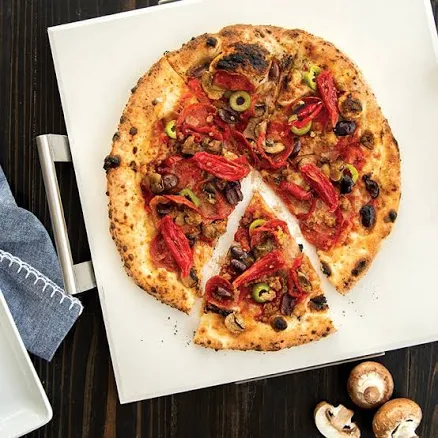
Deluxe Square Pizza Stone with Rack
90/100 safety
Same rubric that flunked this product. The swap earned Excellent.
Still want this one anyway? Check the price on Amazon. We’d swap it.
Material
cordierite ceramic
Brand disclosure
Brand is silent on PFAS
Lab data
No public lab test
You may also be interested in
Top-graded picks in the categories readers replace first, every one scored on the same rubric.

- polypropylene filter housing, carbon/sediment cartridge
- We found no PFAS statement from the brand
- Bacterial growth in spent cartridges
3 hazards checked on this product, all on its full breakdown.

Aquasure
Premier Series 75 GPD Under Sink Reverse Osmosis Water Filtration System
- RO membrane, carbon filters, stainless steel housing
- We found no PFAS statement from the brand
- Bacterial and microbial growth in housing and filters
4 hazards checked on this product, all on its full breakdown.

Avocado
Vegan Mattress
- organic cotton, natural latex, coconut coir, recycled steel coils
- The brand calls it PFAS-free, which we have not verified
- Heavy metals
2 hazards checked on this product, all on its full breakdown.
Is PS1575 15-3/4 Inch Round Pizza Stone non-toxic? What it is made of
Cordierite is a naturally occurring silicate mineral fired into ceramic form, chosen for pizza stones because it absorbs and distributes heat evenly without coating. Unlike glazed ceramics or nonstick cookware, bare cordierite contains no applied surface treatments that can degrade or leach. The material itself is inert at typical cooking temperatures (up to 2400°F theoretical max, well above pizza oven use). American Metalcraft's PS1575 is an unglazed, uncoated stone, meaning there is no secondary material layer to wear, flake, or off-gas.
What’s concerning
Category baseline
The starting point for this type of product, before anything specific to this product is counted.
No PFAS disclosure
No public statement from the brand about PFAS in this product.
Thermal shock and fracture risk
Cordierite resists thermal shock better than standard ceramic but can still crack if moved from oven to cold surface or cooled too quickly. This is a mechanical durability issue, not a chemical hazard.
What’s reassuring
Base material not linked to PFAS
The main material recorded for this product is not one associated with PFAS.
Lead
This product is unglazed bare cordierite with no applied coating; no glaze or enamel is present, eliminating this hazard class entirely.
Source, ATSDR ↗Microplastic or particulate shedding
Cordierite is a stable mineral ceramic that does not shed microplastics. No degradation or flaking of coatings is reported for uncoated cordierite pizza stones under normal use.
Aluminum leaching
Cordierite is a magnesium-aluminum silicate, but the mineral form is chemically bound and inert; leaching is not a documented concern for cordierite cookware at normal cooking temperatures.
Formaldehyde / VOCs
Bare cordierite stone contains no resin binders, adhesives, or finishes that would off-gas; this hazard is not applicable to uncoated natural ceramic.
Source, ATSDR ↗How is this PFAS grade calculated?
The brand's record and disclosure
American Metalcraft is a US-based cookware manufacturer with a longstanding presence in professional and consumer baking equipment; no significant safety recalls or hazard disclosures are on public record for this product line. The brand does not publish detailed material safety or PFAS mitigation statements, which is typical for ceramic and stoneware makers and does not indicate a problem. No third-party certifications (e.g., NSF, Prop 65 warnings) are documented for this stone.
How it compares in its category
Pizza stones are available in ceramic, cordierite, and cast iron. Cordierite is preferred over mass-market ceramic because it resists thermal shock (cracking from temperature swings) and does not require glazing, eliminating concerns about glaze lead or cadmium contamination common in lower-cost ceramics. Cast iron requires seasoning and maintenance; cordierite requires only basic care. This product occupies the middle-to-practical segment of the market without premium branding or novelty coatings.
If you buy it
Avoid sudden temperature changes; preheat gradually and let cool slowly to prevent cracking. Hand wash and dry immediately to avoid water absorption and staining (cordierite is porous). Do not use oil, butter, or cooking spray directly on the stone; use parchment paper or a light dusting of flour. Replace only if cracks develop, which may take years of regular use. Store in a dry location to prevent moisture buildup.
What is not known about PFAS in this product?
- Basis
- Model estimate, 82% confidence, not a lab result
- Lab test
- None on record for this exact product
- Brand statement
- American Metalcraft has made none
Formulations change between production runs, so check the current label. How we grade.
What are the PFAS-free alternatives to PS1575 15-3/4 Inch Round Cordierite Pizza Stone?
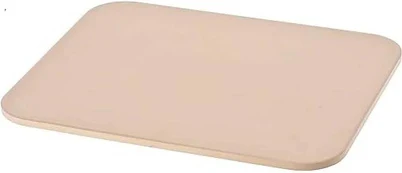
15-Inch Ceramic Pizza Stone for Perfect Crispy Crusts
- Ceramic (clay-based baking stone)
- The brand calls it PFAS-free, which we have not verified
- Glaze degradation and surface leaching
3 hazards checked on this product, all on its full breakdown.
Deluxe Square Pizza Stone with Rack
- ceramic or unglazed stone; no nonstick coating
- The brand calls it PFAS-free, which we have not verified
- Ceramic or stone cracking and fragmentation
2 hazards checked on this product, all on its full breakdown.
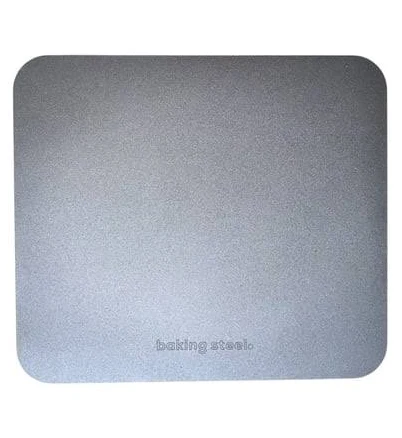
- carbon steel (bare metal, no coating)
- We found no PFAS statement from the brand
- Rust and corrosion
2 hazards checked on this product, all on its full breakdown.
Find an alternative on AmazonMore pizza stones & baking surfaces grades
How we score, every product runs through the same public 0-100 rubric based on materials, coatings, brand disclosure, lab findings, and recalls. See the full methodology → Spotted a mistake? Report an error.