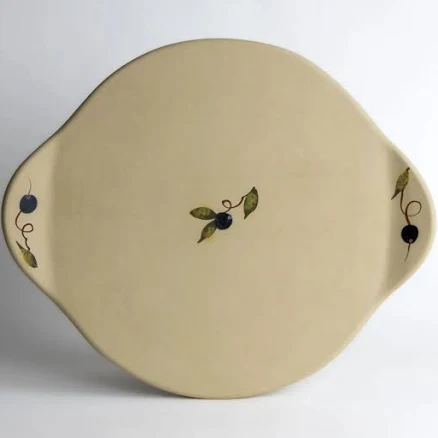
· Pizza Stones & Baking Surfaces
15" Ceramic Pizza Stone
Lower concern. Ceramic base material is not linked to PFAS.
This pizza stone is made from ceramic, a material not associated with PFAS. No coating or water-repellent finish is on record. The brand has no PFAS statement on record for this product.
The better-graded swap
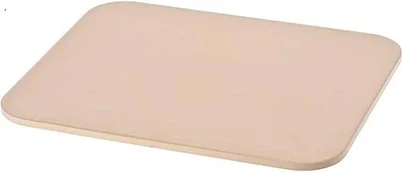
15-Inch Ceramic Pizza Stone for Perfect Crispy Crusts
90/100 safety
Same rubric that flunked this product. The swap earned Excellent.
Still want this one anyway? Check the price on Amazon. We’d swap it.
Material
ceramic (clay-based, fired at high temperature)
Lab data
No public lab test
Is 15" Ceramic Pizza Stone non-toxic? What it is made of
This product is a clay-based ceramic fired at high temperature, a chemically stable material that does not leach or off-gas harmful compounds when used as designed. Ceramic pizza stones are inert once fired and do not contain synthetic coatings, adhesives, or plastic components that contact food. The high firing temperature (typically 1000°C+) locks minerals into a stable crystal matrix, making leaching of heavy metals like lead or cadmium unlikely unless the glaze or clay source was contaminated at manufacture, which is not on record for pizza stones.
What’s concerning
Category baseline
The starting point for this type of product, before anything specific to this product is counted.
No PFAS disclosure
No public statement from the brand about PFAS in this product.
Thermal shock and structural failure (food safety consequence)
Ceramic pizza stones are prone to cracking or shattering if exposed to rapid temperature changes or overheating. This is a mechanical failure mode noted in user reviews and manufacturer warnings, not a chemical hazard, but broken ceramic can introduce sharp fragments into food and render the product unsafe.
Moisture absorption and bacterial growth
Ceramic is porous and can absorb water if soaked or stored damp. Prolonged moisture retention in the porous matrix could theoretically support microbial growth, though this is uncommon with proper air-drying and storage. Regular cleaning and complete air-drying mitigate this risk.
Surface degradation and glaze wear
Over years of use, ceramic glazes can develop microcracks or wear, potentially exposing raw clay underneath. This is a gradual cosmetic and durability issue rather than an acute chemical hazard, but worn surfaces should be replaced to prevent food contact with exposed unglazed clay.
What’s reassuring
Base material not linked to PFAS
The main material recorded for this product is not one associated with PFAS.
Lead
No published recalls or safety alerts for lead/cadmium contamination in ceramic pizza stones. Modern ceramic pizza stones use food-safe glazes with heavy-metal concentrations well below FDA and international limits, though independent testing of this specific product is not publicly available.
Source, ATSDR ↗Off-gassing or volatiles from firing
Fully fired ceramic pizza stones do not emit VOCs or combustion by-products during normal food-preparation use. No evidence of formaldehyde, benzene, or other volatile organic compounds associated with this product class or brand.
The full breakdown
The brand's record and disclosure
The brand is owned by Instant Brands and has a long history in cookware manufacturing with no documented recalls or safety controversies specific to ceramic pizza stones. The company does not publicly disclose detailed materials testing or third-party certifications for this product line. The brand's parent company has faced legal action regarding other product categories (glass bakeware breakage) but not chemical safety in ceramic baking surfaces. No evidence of PFAS intentional use in ceramic pizza stones from this manufacturer.
How it compares in its category
Ceramic pizza stones are among baking surfaces with lower concern, as they avoid synthetic non-stick coatings, metals, and composite materials. Compared to ceramic-coated metal pans, this all-ceramic design eliminates coating degradation risk and metal substrate leaching. Compared to steel or cast iron stones, ceramic avoids iron oxidation and requires no seasoning. Most major pizza stone manufacturers (including Emile Henry, Baking Steel, Fibrament) use similar clay-based ceramics with comparable safety profiles.
If you buy it
Preheat slowly on moderate heat (do not exceed manufacturer temperature limits, typically 500°F for ceramic) to avoid thermal shock cracking. Hand-wash only; dishwashers can damage the surface and promote cracking. Allow complete cooling between uses before storing. Discard immediately if the surface cracks, chips, or shows spalling, as these breaches can allow moisture absorption and structural failure. Do not use at temperatures above the stated maximum, as thermal stress is the primary failure mode, not chemical leaching.
What we don’t know
- Basis
- Model estimate, 92% confidence, not a lab result
- Lab test
- None on record for this exact product
- Brand statement
- has made a specific claim
Formulations change between production runs, so check the current label. How we grade.
Better-graded alternatives in Pizza Stones & Baking Surfaces
15-Inch Ceramic Pizza Stone for Perfect Crispy Crusts
- Ceramic (clay-based baking stone)
- The brand calls it PFAS-free, which we have not verified
- Glaze degradation and surface leaching
3 hazards checked on this product. See all of them.
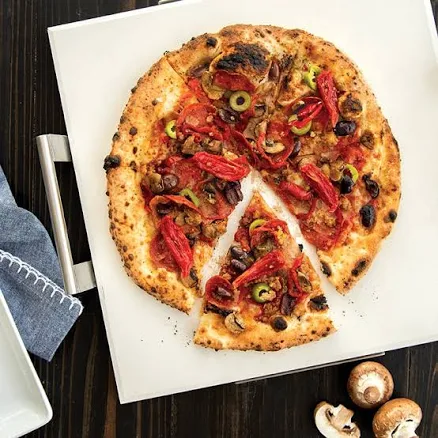
Deluxe Square Pizza Stone with Rack
- ceramic or unglazed stone; no nonstick coating
- The brand calls it PFAS-free, which we have not verified
- Ceramic or stone cracking and fragmentation
2 hazards checked on this product. See all of them.
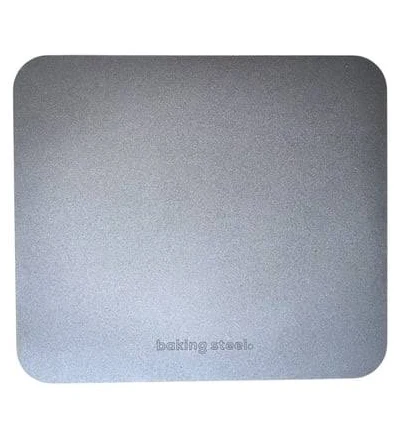
Baking Steel
The Original Ultra Conductive Pizza Stone
- carbon steel (bare metal, no coating)
- We found no PFAS statement from the brand
- Rust and corrosion
2 hazards checked on this product. See all of them.
More pizza stones & baking surfaces grades
How we score, every product runs through the same public 0-100 rubric based on materials, coatings, brand disclosure, lab findings, and recalls. See the full methodology → Spotted a mistake? Report an error.