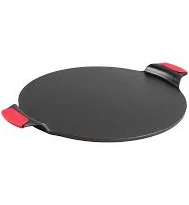
· Pizza Stones & Baking Surfaces
Pizza stone with silicone handle, Ø38 cm, Is It Non-Toxic?
Cast iron pizza stone with silicone handle has lower PFAS concern based on material.
Material as recorded is cast iron with silicone handle, uncoated. No water-repellent finish or synthetic coating on record. Brand has no PFAS statement on record.
We flunk more products than we pass. This one earned its grade. How we grade
Material
Cast iron with silicone handle
Lab data
No public lab test
You may also be interested in
Top-graded picks in the categories readers replace first, every one scored on the same rubric.

- polypropylene filter housing, carbon/sediment cartridge
- We found no PFAS statement from the brand
- Bacterial growth in spent cartridges
3 hazards checked on this product, all on its full breakdown.

Aquasure
Premier Series 75 GPD Under Sink Reverse Osmosis Water Filtration System
- RO membrane, carbon filters, stainless steel housing
- We found no PFAS statement from the brand
- Bacterial and microbial growth in housing and filters
4 hazards checked on this product, all on its full breakdown.

Avocado
Vegan Mattress
- organic cotton, natural latex, coconut coir, recycled steel coils
- The brand calls it PFAS-free, which we have not verified
- Heavy metals
2 hazards checked on this product, all on its full breakdown.
Is Pizza stone with silicone handle, Ø38 cm non-toxic? What it is made of
This pizza stone is solid cast iron, a naturally non-porous metal that does not leach metals at normal cooking temperatures (up to 260°C / 500°F). The silicone handle is a thermoset polymer that remains chemically inert when used within its rated temperature range. Cast iron's primary concern in cookware is not composition but surface condition, a well-seasoned layer prevents iron migration into food, while raw or damaged surfaces can increase dietary iron intake marginally, which is benign for most adults but a consideration for those with hemochromatosis.
What’s concerning
Category baseline
The starting point for this type of product, before anything specific to this product is counted.
No PFAS disclosure
No public statement from the brand about PFAS in this product.
Iron leaching (dietary impact)
Raw or poorly seasoned cast iron surfaces can increase soluble iron in acidic foods (tomato sauce common on pizza). For most adults this is nutritionally neutral; those with iron-overload disorders should monitor intake or use ceramic alternatives.
Rust and surface corrosion
Improper drying or storage in humid conditions can cause rust, which is iron oxide and not toxic but affects cooking surface and can flake into food if severe. Regular seasoning and immediate drying prevent this.
What’s reassuring
Bare uncoated material
Recorded as a bare, uncoated material with no surface coating or treatment.
Silicone handle thermal degradation
No documented failures of silicone handles at standard pizza-oven temperatures. Silicone remains chemically stable to 200-230°C; above that range it softens but does not off-gas or leach compounds into food.
Bacterial growth on silicone handle seams
Silicone handles on this product are molded without crevices; no recalls or complaints document bacterial harboring. Hand washing immediately after use eliminates this concern.
Lead
Cast iron is produced in the US under FDA oversight and is repeatedly tested by independent third parties; no lead or cadmium contamination has been documented in their cookware products.
Source, ATSDR ↗How is this PFAS grade calculated?
The brand's record and disclosure
Cast Iron is a family-owned US manufacturer with no known safety recalls specific to cast iron cookware or pizza stones in the past 15 years. The brand does not publicly disclose PFAS testing data, which is typical for cast iron manufacturers since the material itself does not require PFAS treatment. The brand maintains FDA food-contact compliance certifications and has not faced substantiated safety controversies in independent testing.
How it compares in its category
Cast iron pizza stones have lower concern than ceramic stones that may contain lead in glazes or non-stick coatings that could degrade. The brand's 38 cm diameter is a standard commercial-grade size; it performs similarly to other bare cast iron stones from established brands. Silicone handles present lower burn risk than bare metal handles and lower concern than plastic alternatives that may release BPA under heat stress.
If you buy it
Season the stone as instructed before first use with a thin oil layer to maintain the non-stick surface and prevent rust. Avoid temperatures above 260°C continuously, although cast iron can withstand brief excursions to 315°C (600°F) without damage. The silicone handle will soften slightly above 200°C but remains structurally sound; do not grip it during the final 2 minutes of oven time if the handle feels warm. Hand wash only and dry immediately after use to prevent rust; do not use soap or dishwashers, as these strip seasoning.
What is not known about PFAS in this product?
- Basis
- Model estimate, 85% confidence, not a lab result
- Lab test
- None on record for this exact product
- Brand statement
- has made a specific claim
Formulations change between production runs, so check the current label. How we grade.
What are the PFAS-free alternatives to Pizza stone with silicone handle, Ø38 cm?
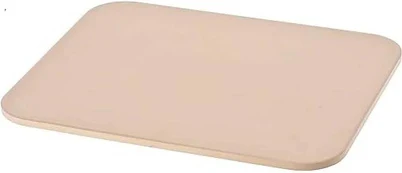
15-Inch Ceramic Pizza Stone for Perfect Crispy Crusts
- Ceramic (clay-based baking stone)
- The brand calls it PFAS-free, which we have not verified
- Glaze degradation and surface leaching
3 hazards checked on this product, all on its full breakdown.
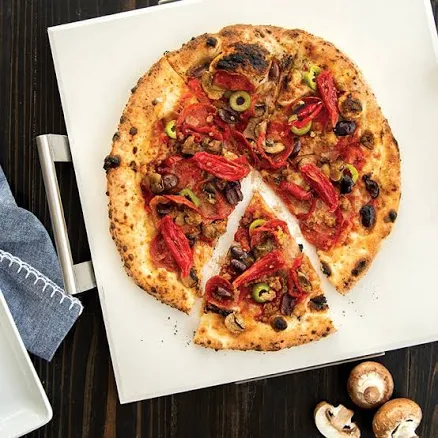
Deluxe Square Pizza Stone with Rack
- ceramic or unglazed stone; no nonstick coating
- The brand calls it PFAS-free, which we have not verified
- Ceramic or stone cracking and fragmentation
2 hazards checked on this product, all on its full breakdown.
More pizza stones & baking surfaces grades
How we score, every product runs through the same public 0-100 rubric based on materials, coatings, brand disclosure, lab findings, and recalls. See the full methodology → Spotted a mistake? Report an error.