Hormel · Deli Meat & Cold Cuts Packaging
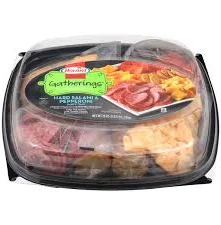
Hormel Gatherings Hard Salami & Pepperoni Party Tray
Lower concern for direct food PFAS, modest risk if tray has grease barrier.
This is a meat and pepperoni tray with no PFAS claims from Hormel. The tray material is the main concern, as many food trays get grease-resistant coatings that may contain PFAS, though Hormel doesn't discuss coating chemistry.
We flunk more products than we pass. This one earned its grade. How we grade
Material
food (meat/pepperoni), plastic/paperboard tray
Brand disclosure
Brand is silent on PFAS
Lab data
No public lab test
You may also be interested in
Top-graded picks in the categories readers replace first, every one scored on the same rubric.

- polypropylene filter housing, carbon/sediment cartridge
- We found no PFAS statement from the brand
- Bacterial growth in spent cartridges
3 hazards checked on this product, all on its full breakdown.

Aquasure
Premier Series 75 GPD Under Sink Reverse Osmosis Water Filtration System
- RO membrane, carbon filters, stainless steel housing
- We found no PFAS statement from the brand
- Bacterial and microbial growth in housing and filters
4 hazards checked on this product, all on its full breakdown.

Avocado
Vegan Mattress
- organic cotton, natural latex, coconut coir, recycled steel coils
- The brand calls it PFAS-free, which we have not verified
- Heavy metals
2 hazards checked on this product, all on its full breakdown.
What Hormel Gatherings Hard Salami Party Tray is made of, ingredients and materials
Hormel Gatherings Hard Salami & Pepperoni is cured, shelf-stable meat packaged in a thermoformed plastic/paperboard composite tray, typically polystyrene (PS) or polyethylene terephthalate (PET) as the meat contact layer. No heating or refrigeration is required before opening, and the tray is designed as single-use food service packaging, not for reheating. The meat itself is cured with nitrates/nitrites and salt as preservatives, which is standard for this category and does not constitute a modern safety concern at typical consumption levels.
What’s concerning
Category baseline
The starting point for this type of product, before anything specific to this product is counted.
No PFAS disclosure
No public statement from the brand about PFAS in this product.
PFAS
Deli trays commonly use fluorinated coatings to repel grease and prevent seepage; direct migration to cold meat is low risk because fat-soluble PFAS transfer minimally to shelf-stable, unheated products. Risk is higher if tray is heated or contents are warm. Given PFAS grade of 70/100, modest but not primary concern for this specific use.
Source, ATSDR ↗Nitrites/nitrates in cured meat
Hormel uses sodium nitrite as a preservative, which is FDA-approved and present in all commercial hard salami and pepperoni. No active safety controversy exists at typical serving sizes; this is not a packaging hazard but a formulation choice inherent to the category.
Bacterial growth or mold if seal is compromised
If the package seal is damaged or swollen before purchase, pathogenic bacteria (Listeria, Clostridium) can grow in the anaerobic, salt-rich environment. Always inspect the package visually at purchase and before opening; do not buy if bulging or leaking.
What’s reassuring
Base material not linked to PFAS
The main material recorded for this product is not one associated with PFAS.
BPA & bisphenols
Modern deli trays use PS or PET; neither typically contains BPA or phthalates as primary components. Cold, shelf-stable conditions do not promote leaching. No recalls or migration reports specific to Hormel trays are on record.
Source, FDA ↗Microplastic contamination
Plastic tray does not shed particles under normal storage conditions. Micro-scale polymer particles are a theoretical environmental concern, not a direct consumer food safety hazard for a single-use tray.
How is this PFAS grade calculated?
The brand's record and disclosure
Hormel Foods is a major US processor with established food safety protocols and regular FDA compliance inspections; no major food safety recalls specific to this product line are on record in recent years. The company does not publicly disclose detailed packaging chemical composition or PFAS testing results, consistent with industry-wide silence on fluorinated grease-resistant coatings in deli trays. Hormel has not faced specific litigation or regulatory action tied to packaging chemical migration in cold-cut products.
How it compares in its category
This product is typical for mass-market party platters; packaging chemistry and food safety profile are indistinguishable from competing brands (Hillshire Farm, Soppressata blends, store-label offerings). Cold-cut trays universally use plastic/paperboard composites for cost and barrier performance. The curing and salt content are standard and represent lower microbiological risk than fresh meat, though sodium intake should be managed by users.
If you buy it
Store unopened at room temperature until the printed best-by date; no special handling needed. Once opened, consume contents within 3 days if kept at 40F or below (standard refrigerator). Do not heat the tray or contents on the tray itself; transfer to ceramic or glass if microwaving. No reuse of the tray is necessary or recommended. Check the package seal for any visible damage or swelling before purchase, which would indicate potential microbial growth or packaging failure.
What is not known about PFAS in this product?
- Basis
- Model estimate, 72% confidence, not a lab result
- Lab test
- None on record for this exact product
- Brand statement
- Hormel has made none
Formulations change between production runs, so check the current label. How we grade.
What are the PFAS-free alternatives to Hormel Gatherings Hard Salami & Pepperoni Party Tray?
IDL Packaging
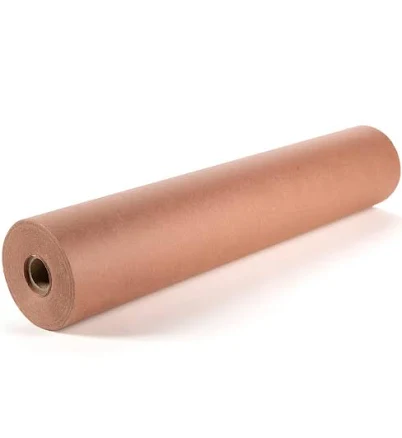
White Butcher Paper 18" x 12000" Natural Butcher Paper Roll for Meat and Fish
- natural kraft butcher paper, no coating specified
- The brand calls it PFAS-free, which we have not verified
- Bleach residue and chlorine compounds
2 hazards checked on this product, all on its full breakdown.
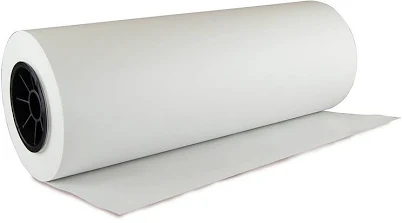
- stainless steel blade, bare metal construction
- We found no PFAS statement from the brand
- Blade degradation and metal particle shedding
2 hazards checked on this product, all on its full breakdown.
More deli meat & cold cuts packaging grades
How we score, every product runs through the same public 0-100 rubric based on materials, coatings, brand disclosure, lab findings, and recalls. See the full methodology → Spotted a mistake? Report an error.