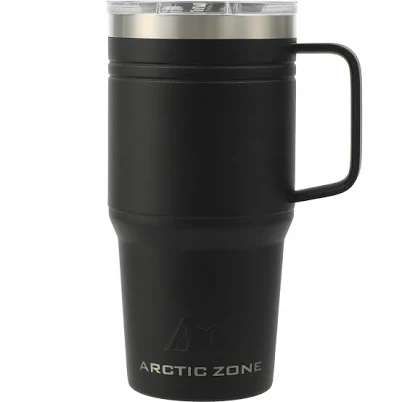
Arctic Zone · Insulated Drink Tumblers
Arctic Zone Titan Thermal HP Mug
No coating described, and no PFAS statement from the brand.
The product information we reviewed describes stainless steel with thermal insulation, with no water-repellent coating named. Water resistance on products like this usually comes from the material and its seals rather than a surface treatment. The brand has published no PFAS statement for it.
The better-graded swap
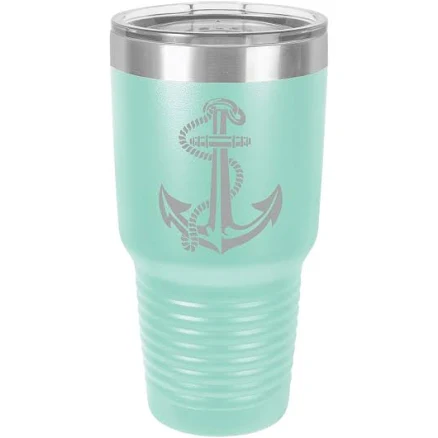
Stainless Steel Vacuum Insulated Travel Mug
80/100 safety
Same rubric that flunked this product. The swap earned Excellent.
Still want this one anyway? Check the price on Amazon. We’d swap it.
Material
Stainless steel with thermal insulation
Brand disclosure
Brand is silent on PFAS
Lab data
No public lab test
You may also be interested in
Top-graded picks in the categories readers replace first, every one scored on the same rubric.

- polypropylene filter housing, carbon/sediment cartridge
- We found no PFAS statement from the brand
- Bacterial growth in spent cartridges
3 hazards checked on this product, all on its full breakdown.

Aquasure
Premier Series 75 GPD Under Sink Reverse Osmosis Water Filtration System
- RO membrane, carbon filters, stainless steel housing
- We found no PFAS statement from the brand
- Bacterial and microbial growth in housing and filters
4 hazards checked on this product, all on its full breakdown.

Avocado
Vegan Mattress
- organic cotton, natural latex, coconut coir, recycled steel coils
- The brand calls it PFAS-free, which we have not verified
- Heavy metals
2 hazards checked on this product, all on its full breakdown.
What Arctic Zone Titan Thermal HP Mug is made of, ingredients and materials
The Arctic Zone Titan Thermal HP is constructed from stainless steel with thermal insulation (likely a vacuum or foam layer between inner and outer walls). Stainless steel itself is chemically inert and does not leach heavy metals or BPA under normal use. The insulation layer is typically polyurethane foam or similar polymer, which does not contact beverages directly and poses no ingestion risk. This design eliminates the primary hazard categories affecting coated or plastic-lined tumblers.
What’s concerning
Category baseline
The starting point for this type of product, before anything specific to this product is counted.
No PFAS disclosure
No public statement from the brand about PFAS in this product.
Lid seal material degradation
Rubber or silicone gaskets in lids can degrade with repeated washing or prolonged contact with acidic beverages. No specific failures are documented for this model, but deteriorated seals may harbor bacteria or allow leakage. Replace the lid seal every 1-2 years of regular use or if visible cracks appear.
Bacterial growth in seams and threads
The junction between the lid and tumbler body, and internal threads, can trap moisture and create anaerobic pockets if not fully dried. This is a general risk for all insulated tumblers with threaded lids, not specific to Arctic Zone. Regular disassembly and air-drying mitigate this.
BPA & bisphenols
The lid and seals are typically plastic or silicone components not explicitly stated as BPA-free by the brand. Contact with hot beverages could theoretically increase leaching rates from lower-grade plastics. Arctic Zone does not publicly confirm BPA-free certification for the Titan Thermal HP lid assembly.
Source, FDA ↗What’s reassuring
Base material not linked to PFAS
The main material recorded for this product is not one associated with PFAS.
Lead
No recalls or test failures for Arctic Zone products on this hazard are on record. Exterior inks and logos on stainless steel drinkware are typically non-contact and pose negligible ingestion risk even if they contain trace metals.
Source, ATSDR ↗Thermal insulation material off-gassing
Polyurethane or other foam insulants are sealed between the inner and outer walls and do not contact beverages directly. No off-gassing incidents are reported for this product category when construction is intact. Damage to the outer shell could theoretically expose the insulation; if this occurs, discontinue use.
How is this PFAS grade calculated?
The brand's record and disclosure
Arctic Zone has not published a public statement on PFAS use or avoidance in their insulated products. No major safety recalls or material contamination incidents are documented for this product line. The brand does not appear to hold third-party certifications (such as NSF or FDA material compliance badges) prominently in available marketing materials. Without active disclosure, PFAS status in any non-stainless components (lid seals, gaskets) remains unconfirmed.
How it compares in its category
Stainless steel insulated tumblers present lower concern in the drinkware category compared to non-stick coatings, ceramic glazes, or BPA-prone plastics, which carry coating-degradation and off-gassing risks. Most competing products (Hydro Flask, YETI, Contigo) use identical stainless steel construction and similar lid designs, placing the Titan Thermal HP in a low-risk baseline. Differentiation in this category hinges on durability, thermal performance, and lid seal quality rather than material safety.
If you buy it
Stainless steel is durable and suitable for hot and cold beverages across standard temperature ranges, well below the melting point of insulation materials. Hand-wash the tumbler and air-dry the lid to prevent mold growth in the seal mechanism; dishwasher use may degrade rubber gaskets over time. Replace the lid or any cracked seals immediately to maintain thermal performance and prevent bacterial growth in crevices. Inspect the exterior for dents or punctures, which can compromise the insulation layer but do not create a direct safety hazard if beverage contact is not broken.
What is not known about PFAS in this product?
- Basis
- Model estimate, 45% confidence, not a lab result
- Lab test
- None on record for this exact product
- Brand statement
- Arctic Zone has made none
Formulations change between production runs, so check the current label. How we grade.
What are the PFAS-free alternatives to Arctic Zone Titan Thermal HP Mug?
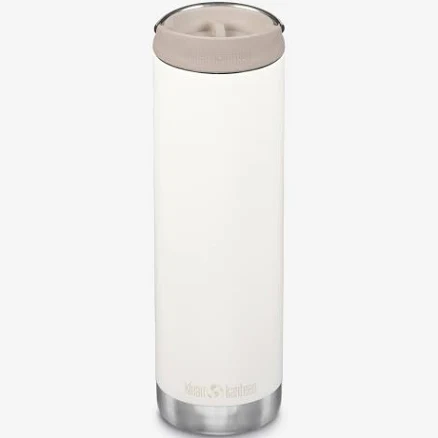
- Stainless steel bottle, stainless steel cap
- The brand calls it PFAS-free, which we have not verified
- Powder-coat cap degradation over time
3 hazards checked on this product, all on its full breakdown.
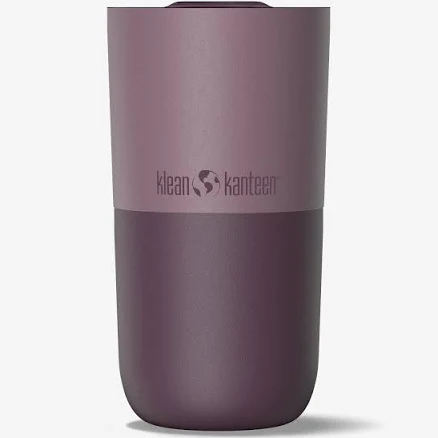
- Stainless steel body, powder-coat finish
- The brand calls it PFAS-free, which we have not verified
- Powder-coat finish degradation
3 hazards checked on this product, all on its full breakdown.
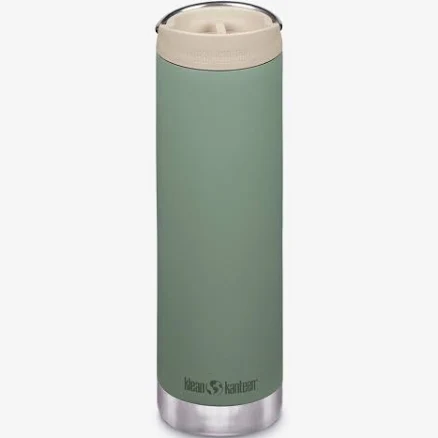
- Stainless steel bottle, plastic cap and silicone gasket
- The brand calls it PFAS-free, which we have not verified
- Silicone gasket degradation and leaching
3 hazards checked on this product, all on its full breakdown.
More insulated drink tumblers grades
How we score, every product runs through the same public 0-100 rubric based on materials, coatings, brand disclosure, lab findings, and recalls. See the full methodology → Spotted a mistake? Report an error.