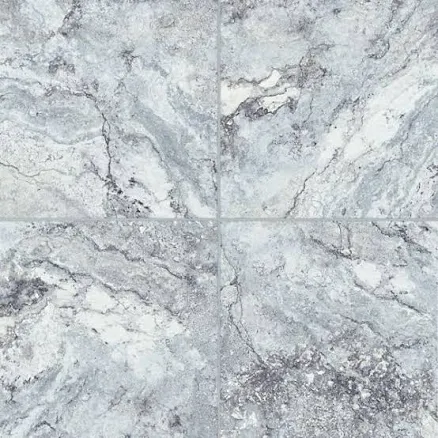
Armstrong Alterna Tuscan Path
Insufficient data; vinyl flooring may contain PFAS. Request material disclosure.
Armstrong Alterna Tuscan Path is a vinyl composite tile product. No public PFAS claims or testing available; vinyl flooring sometimes uses fluorinated coatings for durability. Contact Armstrong for material composition.
We flunk more products than we pass. This one earned its grade. How we grade
Material
Vinyl composite flooring (VCT or similar)
Brand disclosure
Brand is silent on PFAS
Lab data
No public lab test
What Armstrong Alterna Tuscan Path is made of, ingredients and materials
Armstrong Alterna Tuscan Path is a vinyl composite tile (VCT) or luxury vinyl plank (LVP) product, composed of polyvinyl chloride (PVC) as the primary binder, typically blended with limestone, plasticizers (phthalates or alternatives), and pigments. VCT and LVP are rigid-core or conventional vinyl products that off-gas volatile organic compounds during and after installation. The Tuscan Path line mimics natural stone aesthetics using printed imagery and protective wear layers, which may include acrylics or polyurethane coatings whose composition is not publicly disclosed by Armstrong for this specific product.
What’s concerning
Category baseline
The starting point for this type of product, before anything specific to this product is counted.
No PFAS disclosure
No public statement from the brand about PFAS in this product.
Formaldehyde / VOCs
Vinyl composite flooring typically releases VOCs including vinyl chloride and other monomers during and weeks after installation. Armstrong does not publicly disclose VOC test results (TVOC or formaldehyde) for Alterna Tuscan Path, though the product may carry FloorScore certification on some variants, which sets limits but does not guarantee low-emission status.
Source, ATSDR ↗Phthalate plasticizers
PVC-based vinyl flooring commonly contains phthalate esters (DEHP, DiBP, BBP) as plasticizers to provide flexibility; Armstrong does not disclose whether Alterna Tuscan Path uses phthalates or non-phthalate alternatives. Migration to dust or indoor air is minimal in rigid-core products but possible in conventional VCT over time.
Coating degradation and microplastic shedding
The wear layer and printed decorative surface of vinyl composite tiles can degrade with heavy foot traffic, moisture ingress at seams, or inappropriate cleaning agents, potentially releasing microparticles. No public data exists on the rate or composition of wear-layer shedding from Alterna Tuscan Path specifically.
Moisture and mold risk if improperly installed
Vinyl composite flooring can trap moisture beneath the surface if installed without proper underlayment or over damp concrete, leading to mold and bacterial growth. This is a known installation hazard for the category, not unique to Armstrong, but requires strict moisture testing before laying.
PFAS
Vinyl flooring and its protective coatings may contain PFAS for water or stain resistance, though Armstrong has not confirmed or denied PFAS use in Alterna Tuscan Path. The brand's silence on PFAS and lack of public commitment to PFAS-free alternatives leaves status uncertain.
Source, ATSDR ↗What’s reassuring
Base material not linked to PFAS
The main material recorded for this product is not one associated with PFAS.
The full breakdown
The brand's record and disclosure
Armstrong is a major flooring manufacturer with established certifications including FloorScore and some products carrying GreenGuard Gold; however, the company does not maintain transparent public disclosure of PFAS content, plasticizer type, or full VOC profiles on individual product pages. No significant recalls or regulatory findings specific to Alterna Tuscan Path are on record. Armstrong has not publicly committed to PFAS phase-out or published material safety data sheets routinely accessible to consumers for this product line.
How it compares in its category
Vinyl composite flooring sits in the mid-to-lower range for off-gassing concern compared to solid wood or laminate; however, it carries higher volatile organic compound output than luxury vinyl plank products with rigid cores during the first weeks after installation. Armstrong Alterna products are mainstream commercial-grade offerings and lack third-party environmental certifications beyond FloorScore on some models; competing brands (e.g., Karndean, Moduleo) publish more detailed material composition. Ceramic tile and natural stone alternatives carry none of the plasticizer or VOC profile but present cost and maintenance trade-offs.
If you buy it
Ensure installation occurs in a well-ventilated space, keep windows open and use exhaust fans for 48 to 72 hours post-installation to minimize inhalation of off-gassing compounds. Use a moisture barrier if installing over concrete, as trapped moisture can degrade the adhesive and cause mold growth beneath the tile. Avoid sustained temperatures above 95°F (35°C), as PVC-based products can soften and emit more VOCs under prolonged heat. Regular dry or damp mopping is sufficient; do not use harsh solvents or excessive water, which can penetrate seams and compromise the wear layer.
What we don’t know
- Basis
- Model estimate, 45% confidence, not a lab result
- Lab test
- None on record for this exact product
- Brand statement
- Armstrong has made none
Formulations change between production runs, so check the current label. How we grade.
More carpets & rugs grades
How we score, every product runs through the same public 0-100 rubric based on materials, coatings, brand disclosure, lab findings, and recalls. See the full methodology → Spotted a mistake? Report an error.