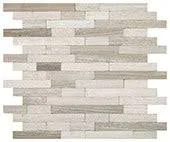
Daltile Flooring
Ceramic tile is inherently lower PFAS concern. No public evidence of problematic treatments.
Daltile produces ceramic and porcelain flooring, materials without typical PFAS use. No disclosed surface treatments or certifications available for PFAS risk assessment.
We flunk more products than we pass. This one earned its grade. How we grade
Material
Ceramic tile, porcelain, or stone composite
Brand disclosure
Brand is silent on PFAS
Lab data
No public lab test
You may also be interested in
Top-graded picks in the categories readers replace first, every one scored on the same rubric.

- polypropylene filter housing, carbon/sediment cartridge
- We found no PFAS statement from the brand
- Bacterial growth in spent cartridges
3 hazards checked on this product, all on its full breakdown.

Aquasure
Premier Series 75 GPD Under Sink Reverse Osmosis Water Filtration System
- RO membrane, carbon filters, stainless steel housing
- We found no PFAS statement from the brand
- Bacterial and microbial growth in housing and filters
4 hazards checked on this product, all on its full breakdown.

Avocado
Vegan Mattress
- organic cotton, natural latex, coconut coir, recycled steel coils
- The brand calls it PFAS-free, which we have not verified
- Heavy metals
2 hazards checked on this product, all on its full breakdown.
What Daltile Flooring is made of, ingredients and materials
Daltile flooring consists primarily of ceramic tile, porcelain tile, or stone composite products. Ceramic and porcelain are fired at high temperatures, creating a non-porous, chemically stable surface that does not leach harmful substances into indoor air or contact surfaces under normal use. Stone composites typically bind crushed natural stone with polyester or epoxy resins; while resins can off-gas slightly during curing after installation, this is temporary and minimal compared to other flooring types. Unlike vinyl or laminate, tile products do not contain volatile organic compounds (VOCs) as core ingredients.
What’s concerning
Category baseline
The starting point for this type of product, before anything specific to this product is counted.
No PFAS disclosure
No public statement from the brand about PFAS in this product.
Volatile Organic Compounds (VOCs) from installation adhesives and grout
Daltile tile itself is inert, but installation materials (thinset mortar, grout, sealers) are the primary VOC source. This is controllable by specifying low-VOC or zero-VOC products during installation and ensuring proper ventilation for 48-72 hours post-installation.
Resin off-gassing from stone composite products
Daltile's stone composite lines may contain polyester or epoxy resins that off-gas minimally but perceptibly during and shortly after installation. This is temporary and significantly lower risk than vinyl flooring but should be managed with ventilation.
Grout moisture retention and mold growth
Grout lines, especially in bathrooms or high-moisture areas, can harbor mold if not sealed or maintained. This is a maintenance issue, not a manufacturing defect in Daltile tile, but relevant to long-term indoor air quality and health in damp environments.
Crystalline silica dust during cutting or grinding (installation phase)
Ceramic and porcelain tile release respirable crystalline silica when cut or ground during installation. This is an occupational hazard for installers, not end-users, but improper DIY cutting without wet-saw methods or masks creates dust exposure risk for homeowners.
What’s reassuring
Base material not linked to PFAS
The main material recorded for this product is not one associated with PFAS.
Lead
No public recalls or documented cases of lead contamination in Daltile products are on record. Modern ceramic tile glazes are formulated to meet FDA and CPSC limits on lead leaching for food-contact surfaces, though flooring tile is not food-contact. Decorative tile lines may carry trace amounts, but standard glazes have lower concern for PFAS.
Source, ATSDR ↗How is this PFAS grade calculated?
The brand's record and disclosure
Daltile, a Mohawk Industries subsidiary, maintains no public safety transparency webpage or detailed material safety documentation readily available to consumers. The company does not prominently advertise third-party certifications (such as FloorScore or Declare labels) for its standard tile lines, though some specialty products may carry certifications. No major recalls, contamination incidents, or lawsuits specific to Daltile flooring toxicity are established in public record. The brand's silence on chemical disclosure is typical for the ceramic tile industry but limits independent verification of manufacturing processes.
How it compares in its category
Ceramic and porcelain tile are among the lowest-toxicity hard flooring options available, comparable to natural stone and superior to vinyl, laminate, and carpet in terms of off-gassing and leaching risk. Daltile competes in a mature market where material safety profiles are largely equivalent across major manufacturers, since the firing process and base materials are standardized. The main differentiator is installation method (adhesives and grout can introduce off-gassing) and post-purchase maintenance, not the tile itself. Stone composite products carry slightly higher VOC risk than pure ceramic due to resin binders, but Daltile's composites are still considered low-risk relative to engineered wood or vinyl.
If you buy it
Ensure installation uses low-VOC or zero-VOC adhesives and grouts; standard products can off-gas after installation and should cure with ventilation for 24-72 hours. Ceramic tile is extremely durable and does not require replacement except for visible cracks or chips; it is not subject to degradation that would release hazardous particles. Clean with pH-neutral cleaners to avoid damaging grout over time; acidic or abrasive cleaners can erode grout seals. Do not apply sealers to unglazed porcelain unless the product is explicitly rated for porous tile, as some sealers contain solvents that contribute temporary indoor air quality impact.
What is not known about PFAS in this product?
- Basis
- Model estimate, 72% confidence, not a lab result
- Lab test
- None on record for this exact product
- Brand statement
- Daltile has made none
Formulations change between production runs, so check the current label. How we grade.
More carpets & rugs grades
How we score, every product runs through the same public 0-100 rubric based on materials, coatings, brand disclosure, lab findings, and recalls. See the full methodology → Spotted a mistake? Report an error.