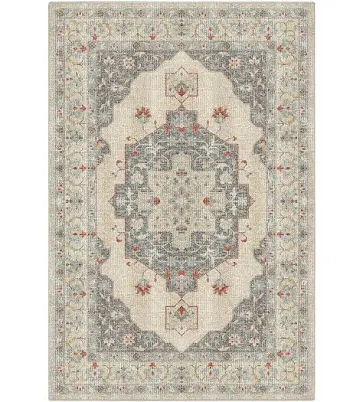
Victoria Rug Classic / 2x4 / Hearth Rust
Lower concern. Wool rugs rarely use PFAS, but dyes unknown.
Victoria's classic wool rug has no known stain treatment or water-resistant coating typical of PFAS sources. Brand discloses nothing about PFAS or treatments; dye sources remain unverified.
We flunk more products than we pass. This one earned its grade. How we grade
Material
wool blend / natural fiber rug
Brand disclosure
Brand is silent on PFAS
Lab data
No public lab test
You may also be interested in
Top-graded picks in the categories readers replace first, every one scored on the same rubric.

- polypropylene filter housing, carbon/sediment cartridge
- We found no PFAS statement from the brand
- Bacterial growth in spent cartridges
3 hazards checked on this product, all on its full breakdown.

Aquasure
Premier Series 75 GPD Under Sink Reverse Osmosis Water Filtration System
- RO membrane, carbon filters, stainless steel housing
- We found no PFAS statement from the brand
- Bacterial and microbial growth in housing and filters
4 hazards checked on this product, all on its full breakdown.

Avocado
Vegan Mattress
- organic cotton, natural latex, coconut coir, recycled steel coils
- The brand calls it PFAS-free, which we have not verified
- Heavy metals
2 hazards checked on this product, all on its full breakdown.
What Victoria Rug Classic / 2x4 / Hearth Rust is made of, ingredients and materials
Victoria's Classic line is a wool blend, meaning it combines natural wool fibers with synthetics (likely polyester or nylon). Wool is naturally flame-resistant and does not require chemical flame retardants, which is a material advantage. The 'Hearth Rust' colorway requires synthetic dyes; the safety of those dyes depends on whether azo dyes or heavy-metal mordants were used in dyeing, which is not publicly disclosed by the brand.
What’s concerning
Category baseline
The starting point for this type of product, before anything specific to this product is counted.
No PFAS disclosure
No public statement from the brand about PFAS in this product.
Heavy metals
The 'Hearth Rust' color requires synthetic dyes. The brand does not publicly declare whether azo dyes or heavy-metal mordants (cadmium, lead) are used in dyeing. Wool readily absorbs dyes, so inferior dye chemistry poses dermal contact risk, especially for children who may chew rugs.
Source, FDA ↗Formaldehyde / VOCs
Rug backings and sizing compounds may contain formaldehyde as a binder or water-resistance treatment. The brand does not disclose backing materials or sizing agents. Off-gassing from backing is typically minimal after 48 hours of airing but can persist in poorly ventilated spaces.
Source, ATSDR ↗Synthetic fiber off-gassing (VOCs from polyester/nylon blend)
The polyester or nylon component of this wool blend may emit volatile organic compounds (VOCs) during the first weeks of ownership. This is not a safety concern for the product itself but may cause odor or respiratory sensitivity in chemically sensitive individuals; airing resolves this.
Dust and mold accumulation from inadequate maintenance
Wool rugs absorb moisture and dust. If not vacuumed regularly or placed in a damp environment, they can harbor dust mites, mold spores, and bacteria, posing allergenic risk. This is a use hazard, not a manufacturing one, but preventable with proper care.
What’s reassuring
Base material not linked to PFAS
The main material recorded for this product is not one associated with PFAS.
Flame retardants
Wool is inherently flame-resistant and does not legally require added flame retardants in the US. However, synthetic blend fibers (polyester/nylon) in this product may have been treated; The brand does not specify. No recalls or test data indicate this product contains banned brominated retardants, but composition is unverified.
Source, EPA ↗How is this PFAS grade calculated?
The brand's record and disclosure
The brand does not publicly disclose fiber sourcing, dye chemistry, or chemical testing results on their website or product sheets. The brand has no known safety recalls or formal certifications (such as Cradle to Cradle or GreenGuard) on record. Their silence on PFAS and dye standards means you are purchasing on brand reputation and material class alone, not verified safety data.
How it compares in its category
Wool-blend rugs have lower concern than synthetic-only (polyester or acrylic) rugs because they reduce dependence on petrochemical fibers and their associated off-gassing. However, they sit in the mid-tier for transparency compared to certified organic wool rugs (which carry third-party dye and pesticide verification) or high-end branded alternatives like Armadillo & Co. This product offers reasonable material safety without premium certification.
If you buy it
Air the rug in a well-ventilated space for 24-48 hours after delivery to allow any residual dye or processing odors to off-gas. Vacuum regularly (weekly) to manage dust and shed fibers. Keep away from direct heat sources and prolonged direct sunlight, which can fade the rust colorway and stress wool fibers. Replace or professionally clean every 3-5 years depending on foot traffic; professional wool cleaning is preferable to DIY methods to avoid chemical residue.
What is not known about PFAS in this product?
- Basis
- Model estimate, 72% confidence, not a lab result
- Lab test
- None on record for this exact product
- Brand statement
- has made none
Formulations change between production runs, so check the current label. How we grade.
More carpets & rugs grades
How we score, every product runs through the same public 0-100 rubric based on materials, coatings, brand disclosure, lab findings, and recalls. See the full methodology → Spotted a mistake? Report an error.