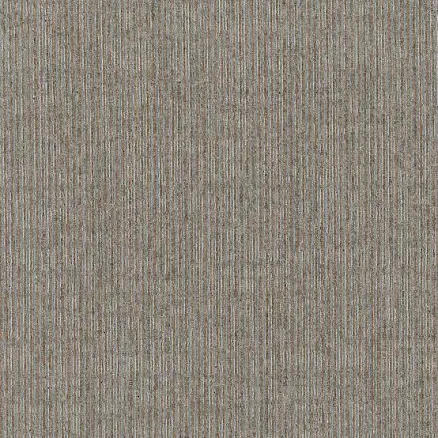
Mohawk Basics 24 x 24 Carpet Tile EnviroStrand PET Fiber
Lower PFAS concern. Standard PET fiber unlikely to require PFAS treatments.
This carpet uses PET fiber, a thermoplastic without inherent water or stain resistance that typically trigger PFAS use. No public disclosure of water-repellent or stain-resistant finishes reduces concern. Mohawk doesn't transparently disclose coating details.
We flunk more products than we pass. This one earned its grade. How we grade
Material
PET (polyethylene terephthalate) fiber
Brand disclosure
Brand is silent on PFAS
Lab data
No public lab test
You may also be interested in
Top-graded picks in the categories readers replace first, every one scored on the same rubric.

- polypropylene filter housing, carbon/sediment cartridge
- We found no PFAS statement from the brand
- Bacterial growth in spent cartridges
3 hazards checked on this product, all on its full breakdown.

Aquasure
Premier Series 75 GPD Under Sink Reverse Osmosis Water Filtration System
- RO membrane, carbon filters, stainless steel housing
- We found no PFAS statement from the brand
- Bacterial and microbial growth in housing and filters
4 hazards checked on this product, all on its full breakdown.

Avocado
Vegan Mattress
- organic cotton, natural latex, coconut coir, recycled steel coils
- The brand calls it PFAS-free, which we have not verified
- Heavy metals
2 hazards checked on this product, all on its full breakdown.
What Mohawk Basics 24 x 24 Carpet PET Fiber is made of, ingredients and materials
EnviroStrand PET fiber is polyethylene terephthalate, a thermoplastic polymer commonly used in carpet because it resists staining, moisture, and wear. PET is chemically stable at room temperature and does not typically leach harmful compounds into indoor air or contact surfaces under normal use. The 24x24 tile format means modular replacement is possible without full carpet removal, reducing lifetime waste.
What’s concerning
Category baseline
The starting point for this type of product, before anything specific to this product is counted.
No PFAS disclosure
No public statement from the brand about PFAS in this product.
Volatile organic compounds (VOCs) from adhesives and sizing agents
Carpet tile backing and installation adhesives may off-gas formaldehyde or other VOCs immediately post-installation. PET fiber itself has minimal VOC risk, but Mohawk does not provide detailed chemical composition of backing or sizing for this line, so total off-gas burden cannot be fully assessed.
Flame retardants
U.S. carpet products are required to meet CPSC flammability standards (16 CFR Part 1630). PET carpets typically achieve this via halogenated or brominated flame retardants applied to the backing or fiber; Mohawk does not disclose which formulations are used in EnviroStrand tiles, and legacy brominated compounds may persist in some product batches.
Source, EPA ↗Formaldehyde / VOCs
Carpet tile backing often uses polyurethane or latex binders that may contain or release small amounts of formaldehyde. Mohawk does not explicitly state formaldehyde-free backing for this product line, though most modern U.S. manufacturers comply with EPA formaldehyde standards for composite wood.
Source, ATSDR ↗What’s reassuring
Base material not linked to PFAS
The main material recorded for this product is not one associated with PFAS.
Dust and fiber particulate accumulation
PET fiber does not shed microplastics under normal residential use conditions or release particulates above baseline carpet dust. Proper vacuuming with HEPA filtration mitigates any concern.
Heavy metals
PET fiber itself does not require antimony catalysts (antimony is typical in polyester textiles but not polyethylene terephthalate carpet). No published data or recalls indicate heavy metal contamination in EnviroStrand products.
Source, FDA ↗How is this PFAS grade calculated?
The brand's record and disclosure
Mohawk is a major U.S. carpet manufacturer with ISO 14001 environmental certification and participation in sustainability initiatives, though detailed chemical disclosure for individual product lines remains limited. No recalls or safety warnings specific to EnviroStrand PET tiles are on record in public databases. The brand's silence on PFAS treatment of this specific line is typical for PET fiber products, which rarely require water-repellent additives compared to wool or natural fibers.
How it compares in its category
PET fiber carpet tiles sit in the mid-range safety profile, lower VOC off-gassing than some wool blends or cheaper synthetic options, but still subject to standard flame retardant regulations. Modular tiles generally allow better air circulation than broadloom, reducing trapped off-gas accumulation. Mohawk's Basics line emphasizes durability over premium finishes, suggesting fewer optional chemical treatments than luxury products.
If you buy it
Ensure adequate ventilation for 48-72 hours after installation to allow any residual manufacturing volatiles to dissipate. Vacuum regularly with a HEPA filter to manage dust accumulation; PET fiber does not shed microplastics significantly during normal foot traffic. Replace individual tiles if localized damage occurs rather than the entire carpet. Avoid prolonged exposure to direct sunlight, which can fade color but does not degrade PET structurally.
What is not known about PFAS in this product?
- Basis
- Model estimate, 72% confidence, not a lab result
- Lab test
- None on record for this exact product
- Brand statement
- Mohawk has made none
Formulations change between production runs, so check the current label. How we grade.
More carpets & rugs grades
How we score, every product runs through the same public 0-100 rubric based on materials, coatings, brand disclosure, lab findings, and recalls. See the full methodology → Spotted a mistake? Report an error.