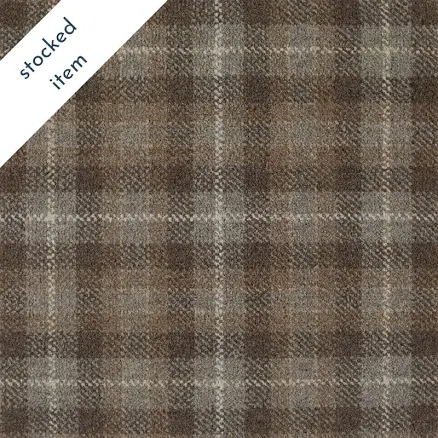
Ben Vorlich Tartan Axminster Carpet | Wool Plaid
Wool plaid carpet with no disclosed stain-resistant treatment on record.
Material as recorded is wool plaid in Axminster weave. No brand statement addresses PFAS or treatments. Wool is not a material linked to PFAS, but stain-resistant finishes are common on carpets and their chemistry is not stated here.
We flunk more products than we pass. This one earned its grade. How we grade
Material
wool plaid, Axminster weave
Brand disclosure
Brand is silent on PFAS
Lab data
No public lab test
What Ben Vorlich Tartan Axminster Carpet | is made of, ingredients and materials
This carpet is wool plaid woven on an Axminster loom, a mechanical weaving method that produces patterned carpets with independent yarn control per row. Wool is a natural protein fiber with inherent flame resistance, meaning manufacturers typically do not need to apply heavy synthetic flame retardant coatings to meet building codes. The Axminster weave structure itself contributes durability and stain resistance without relying on chemical treatments, which reduces exposure to problematic additives common in synthetic carpet backings.
What’s concerning
Category baseline
The starting point for this type of product, before anything specific to this product is counted.
No PFAS disclosure
No public statement from the brand about PFAS in this product.
Formaldehyde / VOCs
While wool fiber itself does not emit formaldehyde, the latex or synthetic backing adhesive and any finishing resins applied during manufacture may contain formaldehyde resins. New carpet off-gassing is typically mild with wool and dissipates within 48 to 72 hours with ventilation.
Source, ATSDR ↗Heavy metals
The plaid pattern requires multiple dye baths. Wool readily accepts both traditional and synthetic dyes; azo dyes (which can degrade to aromatic amines) are cheaper but less common in heritage UK mills. No specific test results for this product line are publicly available, so risk remains speculative.
Source, FDA ↗Dust and dust mite allergens
All carpets accumulate dust and harbor dust mites; wool is not hypoallergenic despite marketing claims. Regular vacuuming with a HEPA filter reduces allergen load. Individuals with dust mite sensitivity should consider hard flooring alternatives.
Moth and insect infestation risk
Wool is vulnerable to moth larvae. Excessive mothproofing treatments (now less common in UK production) can introduce toxic residues. Modern wool carpets rely on storage hygiene and occasional inspection rather than chemical deterrents.
What’s reassuring
Base material not linked to PFAS
The main material recorded for this product is not one associated with PFAS.
Flame retardants
Wool is naturally flame resistant and does not typically require synthetic flame retardant coatings. No documented use of brominated or phosphorus retardants in Axminster wool plaid products has been recorded.
Source, EPA ↗The full breakdown
The brand's record and disclosure
Axminster Carpets is a UK heritage manufacturer with a long production history but minimal public disclosure on chemical testing or safety certifications. No major recalls or safety controversies are on record for this brand. The company does not prominently advertise third-party certifications like Cradle to Cradle or OEKO-TEX, though wool carpets in general face lower regulatory scrutiny than synthetics. Your safety depends primarily on the material class (wool) rather than brand transparency.
How it compares in its category
Wool carpets like this one typically have lower concern regarding flame retardant chemical loads compared to polyester or nylon alternatives. Wool naturally resists ignition and does not require brominated or phosphorus-based flame retardant applications. However, this product lacks visible certifications that competitors like some Wool Bureau-certified brands offer. Price and durability are comparable to mid-range wool offerings; the plaid pattern and Axminster construction are traditional rather than trendy.
If you buy it
Vacuum regularly and address spills promptly with cool water to avoid setting stains and reducing the temptation to retreat the carpet later. Wool accepts both water-based and solvent-based stain treatments; avoid excessive heat (steam cleaning over 65 degrees C) as it can damage fiber structure and accelerate pilling. Professional cleaning every 12 to 18 months extends life and removes embedded dust without chemical buildup. Do not use heavy mothproofing treatments; cedar or lavender sachets are sufficient for wool storage.
What we don’t know
- Basis
- Model estimate, 72% confidence, not a lab result
- Lab test
- None on record for this exact product
- Brand statement
- Axminster has made none
Formulations change between production runs, so check the current label. How we grade.
More carpets & rugs grades
How we score, every product runs through the same public 0-100 rubric based on materials, coatings, brand disclosure, lab findings, and recalls. See the full methodology → Spotted a mistake? Report an error.